Collagen is the most abundant protein in the human body, which would seem to make it an unlikely source for an immunotherapy target. But it is where researchers from Immatics Biotechnologies GmbH and the University of Pennsylvania have found a target that was expressed on stromal cells in a number of different solid tumors, but very rare in normal tissues.
Collagen is the most abundant protein in the human body, which would seem to make it an unlikely source for an immunotherapy target. But it is where researchers from Immatics SA and the University of Pennsylvania have found a target that was expressed on stromal cells in a number of different solid tumors, but very rare in normal tissues.
Gate Neurosciences Inc. was first founded in 2019, but officially launched last week with two clinical-stage assets and a bold goal: to develop better drugs for CNS disorders and identify better-suited patients for those drugs. The company’s first molecular target is the NMDA receptor. Gate has acquired the rights to two NMDA receptor modulators, zelquistinel and apimostinel.
A phase II trial this week showed that combining the diabetes drug semaglutide (Novo Nordisk A/S) with a fixed-dose combination of Cagrisema (cagrilintide/semaglutide) led to “numerically higher” reductions in both HbA1c and body weight than either component alone. And on the preclinical side, researchers from the Novo Nordisk Research Center and the Helmholtz Diabetes Center reported that linking the dual PPAR activator tesaglitazar to GLP-1 improved glucose control in male mice. Both bits of news illustrate that GLP-1R agonists, which are also called incretin mimetics and GLP-1 analogs, are likely to continue their success across multiple areas of medical care.
Treating mice with butyrate, a short-chain fatty acid that is normally produced by beneficial gut microbes, prevented anaphylactic shock in allergic mice when they were exposed to peanuts after treatment. It also reduced inflammation in animals with colitis.
Treating mice with butyrate, a short-chain fatty acid that is normally produced by beneficial gut microbes, prevented anaphylactic shock in allergic mice when they were exposed to peanuts after treatment. It also reduced inflammation in animals with colitis.
Exploiting deficiencies in tumor cells’ inability to repair damage to their DNA has been one of the most successful endeavors of oncology research in recent memory. There are four approved PARP inhibitors to treat certain types of breast, ovarian, pancreatic and prostate cancers. Multiple other synthetic lethal combinations that might push repair-deficient tumors into cell death are being investigated. In the July 29, 2022, issue of Science, researchers at Yale University have described another approach to turning DNA repair defect against itself. Startup Modifi Biosciences Inc. is now on course to translate that work.
Tumor heterogeneity is recognized as an important way in which tumors are able to grow, invade surrounding tissue, metastasize and develop resistance to therapies. But linking specific states to the overall biology of tumors has been a challenge.
Investigators at the Riken Institute have demonstrated that while tyrosine is a nonessential amino acid, meaning that it can be synthesized by the body and does not need to be taken up in the diet, it has an essential function as far as nutrient sensing is concerned.
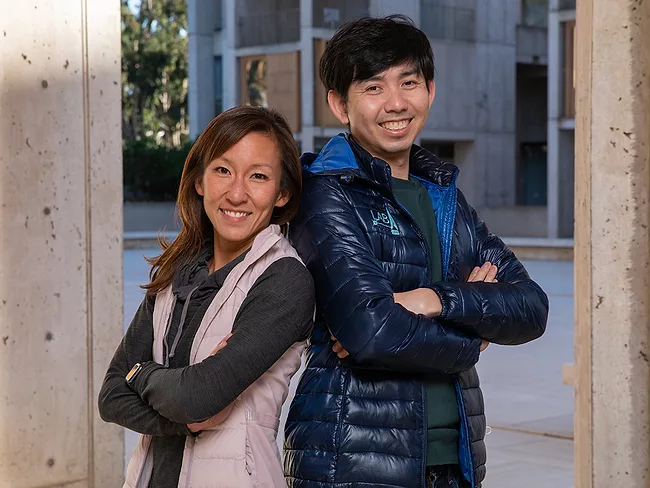
In a sense, memories are useless without being linked to feelings. Without knowing whether a memory is good or bad, there is no way to seek out good experiences, and avoid bad ones. Now, investigators at the Salk Institute have identified neurotensin as a critical molecule for the assignment of such emotional valence.