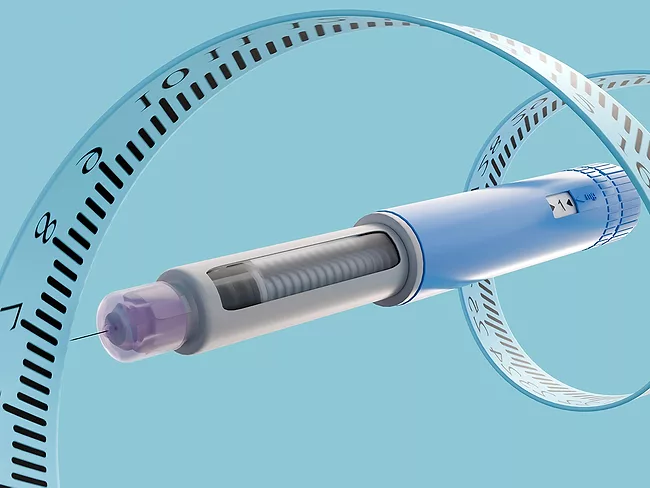
Shares of MBX Biosciences Inc. hit a 52-week high on preliminary phase I data for its MBX-4291, a GLP-1/GIP co-agonist prodrug for obesity. Though early and still blinded, findings from the trial showed promising efficacy, along with good tolerability and the potential for once-monthly dosing, factors that will likely be critical for MBX to compete in the crowded obesity space.
In its first substantial M&A transaction since 2021, Bayer AG is buying Perfuse Therapeutics Inc., a firm that has operated quietly, though it reported positive midstage data last year for PER-001, an endothelin antagonist, in glaucoma and diabetic retinopathy.
As Celcuity Inc. awaits a U.S. FDA approval decision for gedatolisib in HER-positive, HER2-negative, PIK3CA wild-type advanced breast cancer, the company already is setting its sights on a supplemental NDA filing, based on a top-line readout of the multi-target PAM inhibitor in a PIK3CA-mutant breast cancer cohort.
A month ahead of its June 5 PDUFA date, Arvinas Inc.’s vepdegestrant gained U.S. FDA approval for use in a specific type of advanced or metastatic breast cancer, becoming the first proteolysis targeting chimera, or PROTAC, drug to reach the market.
Continuing biopharma’s IPO resurgence in 2026, Hemab Therapeutics Holdings Inc. priced an upsized offering of 16.75 million shares at $18 per share, the high end of its proposed price range, for gross proceeds of $301.5 million. Another $45 million could come if underwriters exercise their full overallotment.
In its largest acquisition to date, Chiesi Group is buying Kalvista Pharmaceuticals Inc. for $27 per share, a roughly 40% premium to the previous day’s closing price, putting the total deal value at about $1.9 billion. In return, the Italian pharma firm adds to its rare disease franchise Kalvista’s recently approved hereditary angioedema (HAE) drug, plasma kallikrein inhibitor Ekterly (sebetralstat), which has gotten off to a strong commercial launch as the only orally available, on-demand treatment for HAE.
Shares of Veradermics Inc. spiked as the first top-line readout from its registrational program for VDPHL-01 showed the oral, extended-release version of minoxidil surpassed expectations in men with mild to moderate pattern hair loss, setting up commercial aspirations as a potential best-in-indication treatment option.
Children and adults with a type of congenital hearing loss now have a free treatment option, with the U.S. FDA’s accelerated approval of Regeneron Pharmaceuticals Inc.’s DB-OTO, an AAV-mediated gene therapy. Branded Otarmeni (lunsotogene parvec), it is cleared specifically for hearing loss caused by variants in the otoferlin gene.
And the positive news continues to flow for Revolution Medicines Inc. On the heels of a successful phase III trial for RAS inhibitor daraxonrasib in previously treated patients with metastatic pancreatic ductal adenocarcinoma (PDAC) – not to mention the firm pricing the largest follow-on offering in biopharma history – Revolution presented updated phase I/II data at the American Association for Cancer Research (AACR) meeting detailing impressive findings in first-line PDAC patients.
Kailera Therapeutics Inc.’s “obesity-first” approach continues to resonate with investors, with the company pricing an upsized IPO, offering 39 million shares at $16 apiece for gross proceeds of $625 million. Full exercise of the underwriters’ option could add another $93.8 million, bringing the total to nearly $719 million, easily topping Sana Biotechnology Inc.’s $675.6 million 2021 IPO and setting a new record for U.S. biopharma IPOs, according to BioWorld data.