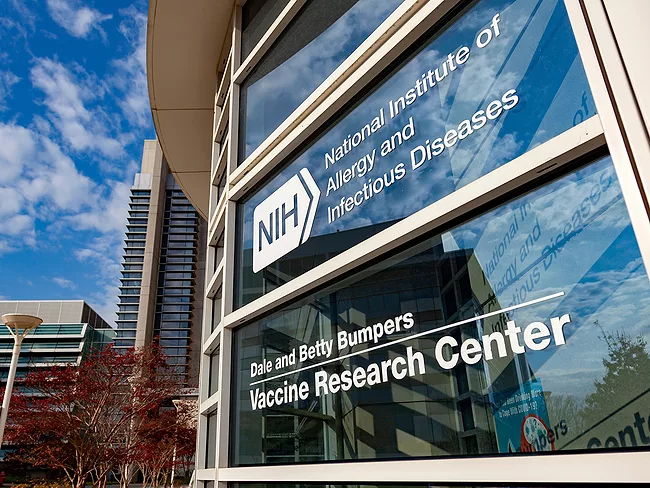
In a paradigm shift from private-sector partners, the U.S. Department of Health and Human Services (HHS) and the NIH announced May 1 the development of Generation Gold Standard, a next-generation, universal vaccine platform that uses a beta-propiolactone-inactivated, whole-virus to target pandemic-prone viruses.
If the April 30 hearing on biomedical research before the U.S. Senate Appropriations Committee is any indication, the Trump administration could face a big challenge if it tries to cut more than 40% of the NIH’s budget in fiscal 2026 as proposed and slap a 15% cap on indirect costs.
Stealth Biotherapeutics Inc., and, more importantly, patients with Barth syndrome, faced another disappointing delay April 29 when the U.S. FDA kicked its approval decision down the road for Stealth’s elamipretide.
With April 29 being Day 100 for U.S. President Donald Trump, his staff observed the day by touting the achievements of the administration’s first 100 days in office, especially new commitments made by the private sector to invest more than $5 trillion in U.S.-based manufacturing, R&D, infrastructure and technology.
It’s time for the U.S. Congress to finally put some guardrails on the 340B prescription drug discount program it created more than 30 years ago as a way to help fund health care for low-income patients. That’s the overall conclusion of a majority staff report from the Senate Health, Education, Labor and Pensions Committee that follows a years-long investigation into the program.
In all practicality, U.S. FDA Commissioner Marty Makary’s recently announced policy directive removing industry representatives from the agency’s advisory committees may have little effect on the makeup of the drugs and devices committees, which typically include them as nonvoting members.
A U.S. FDA CDER official is among the first to say the quiet part out loud in proposing a Sept. 12 deadline for the agency to respond to Vanda Pharmaceuticals Inc.’s request for summary judgment or a hearing on CDER’s refusal to approve tradipitant to treat gastroparesis.
If U.S. sectoral tariffs on biopharmaceuticals become a reality and most country-by-country tariffs on other medical products resume, manufacturers may have to rethink their use of U.S. free trade zones to turn foreign-sourced active pharmaceutical ingredients and other components into finished products for the U.S. market.
Tired of waiting for the U.S. Congress to get around to making meaningful reforms to pharmacy benefit manager (PBM) practices, states are beginning to take the matter into their own hands. Arkansas recently became the first state to pass a law stopping PBMs, their affiliates or their parent companies from acting as a "fox guarding the henhouse" by being both a price setter and price taker, as the legislation puts it.
Nearly three weeks into the job, U.S. FDA Commissioner Marty Makary provided a comprehensive overview of his vision for the much-reduced agency, even as he’s taking first steps to implement his agenda.