Junshi Biosciences Co. Ltd. and Rxilient Biotech Pte Ltd. are forming a joint venture (JV) to develop and commercialize Junshi’s PD-1 inhibitor, toripalimab, in nine Southeast Asian nations.
Global interest in radiopharmaceuticals is growing, and some big deals in the space have sparked interest in the last few years. Novartis AG has spent about $6 billion in acquisitions and is seen as the global leader.
The big idea behind radiopharmaceuticals is taking the hallmarks of two cancer therapies – radiology and chemotherapy – and merging them, and this is what makes the technology a disrupter.
Researchers in Australia have developed new cancer cell line models for pediatric cancers with the lowest survival rates, with a focus on high-risk central nervous system tumors such as glioblastoma.
Junshi Biosciences Co. Ltd. and Rxilient Biotech Pte Ltd. are forming a joint venture (JV) to develop and commercialize Junshi’s PD-1 inhibitor, toripalimab, in nine Southeast Asian nations, including Thailand, Brunei, Cambodia, Indonesia, Laos, Malaysia, Myanmar, the Philippines and Vietnam.
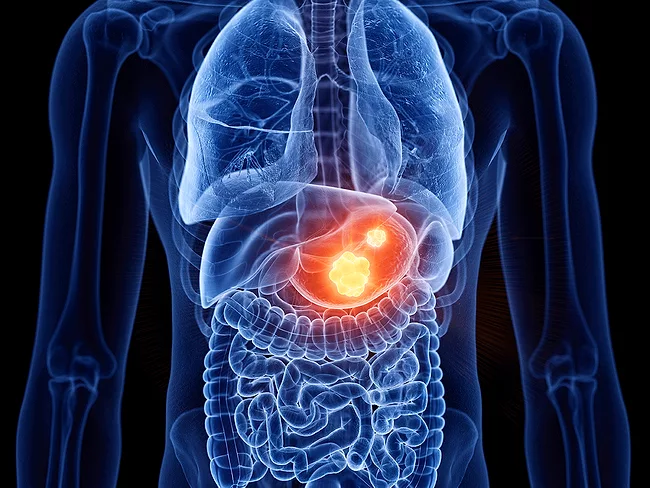
Astellas Pharma Inc.’s zolbetuximab, a monoclonal antibody targeting Claudin 18.2, met the primary endpoint for progression-free survival as well as secondary endpoints for overall survival in the phase III Glow trial in CLDN18.2-positive, HER2-negative, locally advanced unresectable or metastatic gastric or gastroesophageal junction adenocarcinoma.
The Australian government will deliver $50 million to a new biomedical and med-tech incubator (BMTI) program for health discoveries spanning early-stage drug development through to cutting edge medical devices and evidence-based digital health technologies.
Astellas Pharma Inc.’s zolbetuximab, a monoclonal antibody targeting Claudin 18.2, met the primary endpoint for progression-free survival as well as secondary endpoints for overall survival in the phase III Glow trial in CLDN18.2-positive, HER2-negative, locally advanced unresectable or metastatic gastric or gastroesophageal junction adenocarcinoma.
Artificial intelligence (AI)-powered drug discovery startup Protai Bio Ltd. raised $12 million in additional seed funding, bringing the total amount to $20 million that will see the company build out an oncology drug discovery pipeline derived from its AI proteomics platform.
Takeda Pharmaceutical Co. Ltd.’s oral allosteric tyrosine kinase 2 inhibitor TAK-279 met primary and secondary endpoints in a phase IIb clinical trial in patients with moderate to severe plaque psoriasis, but analysts say it may be too little too late to make a big splash compared to competitors.