The inhibition of an enzyme associated with neurodegeneration processes reduced the toxic effect of tau, one of the proteins that damage neurons in Alzheimer’s disease (AD). A group of scientists from the University of Helsinki have shown in vitro and in animal models of AD how inhibition of the prolyl endopeptidase (PREP) enzyme reduced tau protein aggregations.
The analysis of thousands of proteins in the brain has revealed the association of astrocytes with obsessive-compulsive disorder (OCD). A proteomic study by researchers from the University of California Los Angeles (UCLA) has identified them in different cellular compartments of astrocytes and neurons. One such protein, the postsynaptic protein SAPAP3, appeared to regulate the organization of the actin cytoskeleton. Its deficit in astrocytes could cause OCD.
As prostate cancer progresses, tumors lose the androgen receptor (AR) on which initial treatment is based. Oftentimes, such patients also lose expression prostate-specific membrane antigen (PSMA), which is the target of approved agent Pluvicto (lutetium (177Lu) vipivotide tetraxetan; Novartis AG) as well as a number of experimental drugs. Such patients can no longer benefit from either androgen- or PSMA-directed therapy.
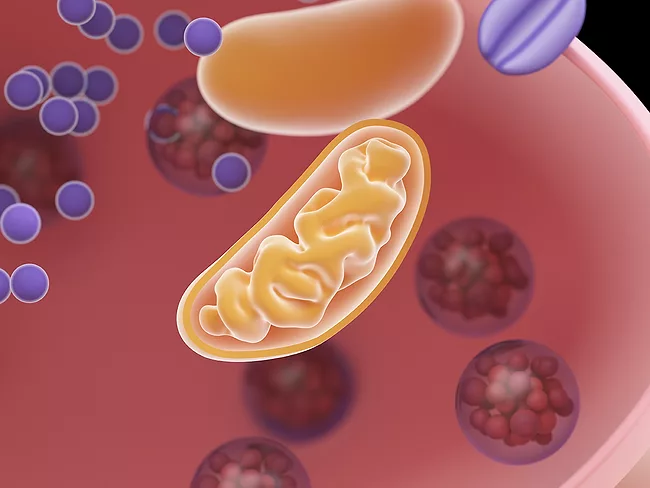
RNA editing in schizophrenia (SCZ)-associated genes was decreased in postmortem brains of individuals of European descent, according to a study from the University of California, Los Angeles (UCLA). The scientists obtained the RNA editome from SCZ brains to detect the sequence changes in their RNA and observed hypoediting in noncoding regions related to mitochondrial function, such as the mitofusin-1 (MFN1) gene.
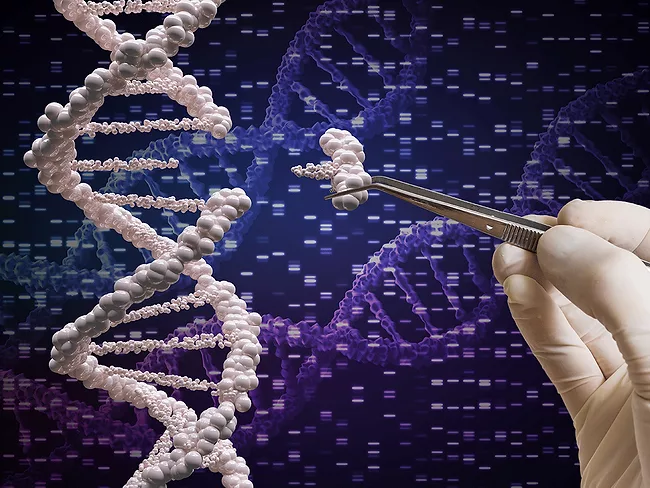
The editing in human cells and in mice of the survival motor neuron 1 gene (SMN1) restored the levels of SMN protein that the mutation of the SMN2 gene produces in spinal muscular atrophy. Scientists from the Broad Institute in Boston and The Ohio State University reversed the mutation using the base editing technique.
The editing in human cells and in mice of the survival motor neuron 1 gene (SMN1) restored the levels of SMN protein that the mutation of the SMN2 gene produces in spinal muscular atrophy (SMA). Scientists from the Broad Institute in Boston and The Ohio State University reversed the mutation using the base editing technique. “This base editing approach to treating SMA should be applicable to all SMA patients, regardless of the specific mutation that caused their SMN1 loss,” the lead author David Liu, a professor and director of the Merkin Institute of Transformative Technologies in Healthcare at the Broad Institute of Harvard and MIT, told BioWorld.
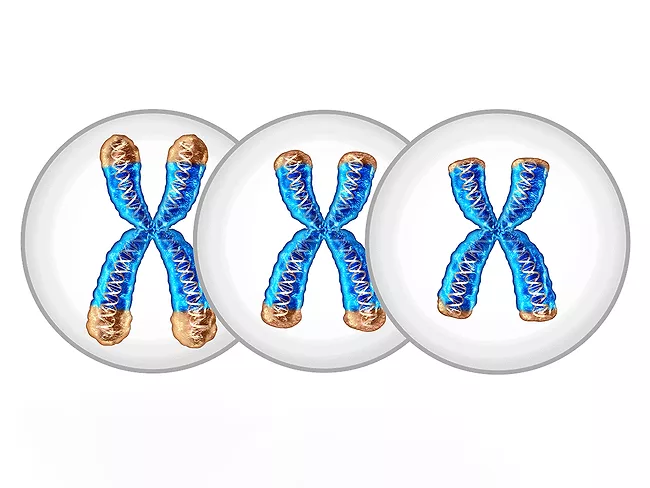
Contrary to current opinion, genomic instability is not the origin of cancer in patients with short telomere syndromes (STSs), researchers from the Johns Hopkins University School of Medicine reported April 2, 2023, in Cancer Cell. Instead, short telomeres appeared to cause memory T-cell dysfunction that increased the risk of a small number of tumor types in individuals with STS. Such syndromes can cause premature aging of different physiological systems.
HIV infects immune cells, mainly CD4+ T cells. But they are not the only ones. It also settles in the genome of myeloid cells, monocytes or macrophages. According to a study from Johns Hopkins University, the viral DNA inserted into myeloid cells is functional. The virus also reactivated from the monocyte-derived macrophage reservoir. New cure strategies need to take these cells into account to eradicate the virus from the body.
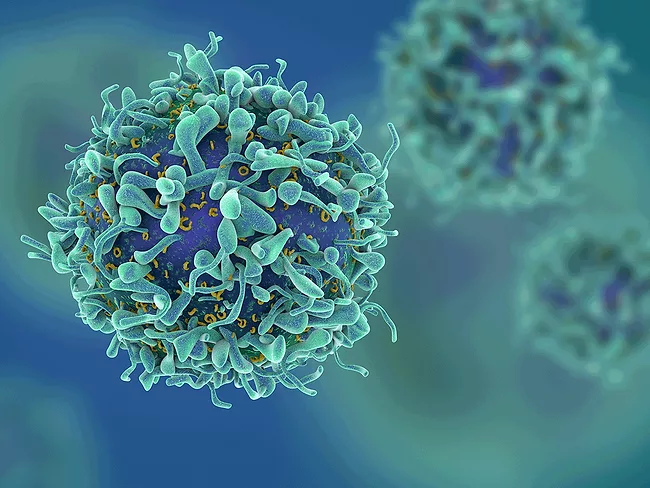
Secreting cytokines and killing tumor cells can be stressful for a T lymphocyte. In short adverse circumstances, these cells adapt to acute stress. If the situation persists, they activate a chronic stress response mechanism. According to a study by the Institute for Biomedical Research (IRB) in Barcelona, the cytoplasmic polyadenylation element-binding protein 4 (CPEB4) mediated this adaptation process.
Base editing (BE), a technique that modifies a single nucleotide in living cells, has been successfully tested to resolve the CD3δ mutation in severe combined immunodeficiencies (SCIDs) and produce functional T cells. For now, scientists at the University of California, Los Angeles (UCLA), completed the study on patient stem cells and artificial thymic organoids, shortening the way for future clinical trials.