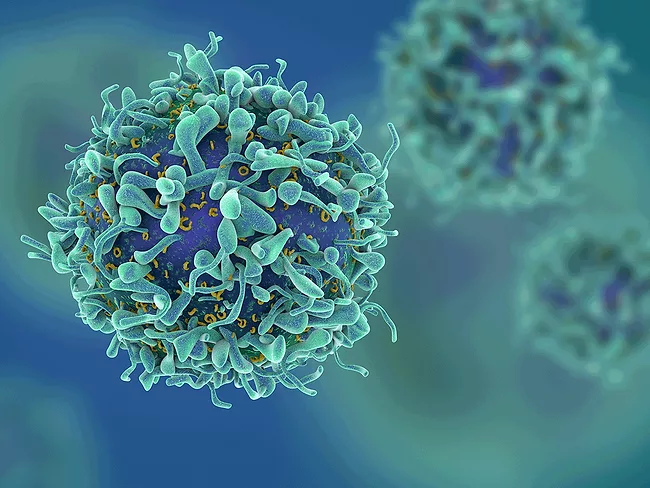
Secreting cytokines and killing tumor cells can be stressful for a T lymphocyte. In short adverse circumstances, these cells adapt to acute stress. If the situation persists, they activate a chronic stress response mechanism. According to a study by the Institute for Biomedical Research (IRB) in Barcelona, the cytoplasmic polyadenylation element-binding protein 4 (CPEB4) mediated this adaptation process.
Base editing (BE), a technique that modifies a single nucleotide in living cells, has been successfully tested to resolve the CD3δ mutation in severe combined immunodeficiencies (SCIDs) and produce functional T cells. For now, scientists at the University of California, Los Angeles (UCLA), completed the study on patient stem cells and artificial thymic organoids, shortening the way for future clinical trials.
RHOJ, a small GTPase, could hold the key to the survival of tumor cells during cancer treatments. When epithelial cells transformed into mesenchymal cells, the Rho-related GTP-binding protein RhoJ regulated their resistance to chemotherapy. The scientists observed this mechanism in mouse models of skin squamous cell carcinoma, but their results could go beyond just one type of cancer. When the team started its experiments, which were published March 23, 2023, in Nature, “I had never heard about RHOJ before,” the lead author Cédric Blanpain told BioWorld. Blanpain is the director of the Laboratory of Stem Cells and Cancer at the Université Libre de Bruxelles (ULB).
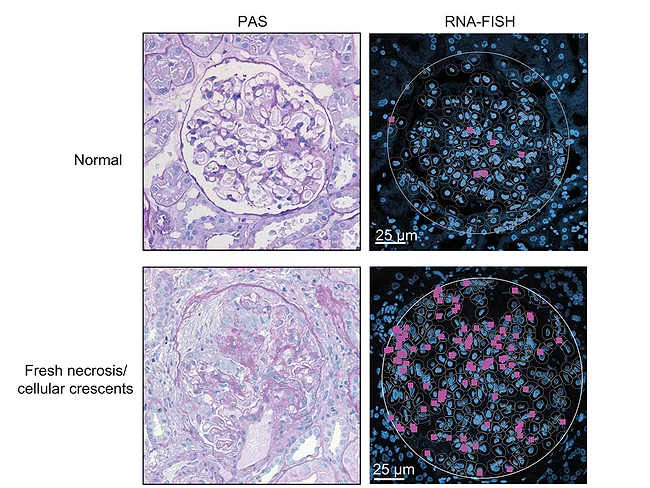
A study from the University Medical Center Hamburg-Eppendorf (UKE) in Germany has identified a type of T cell that triggered glomerulonephritis (GN) and produced loss of kidney function in mice. The scientists described an autoimmune pathway of this disease mediated by the accumulation of T cells producing granulocyte-macrophage colony-stimulating factor (GM-CSF) in the kidneys and found a possible therapeutic target.
T cells do not have the last word in some breast cancers. According to a study from the University of Pittsburgh, the key to estrogen receptor positive (ER+) breast tumors are macrophages, not T cells, and targeting them could prevent immunotherapy failure in this type of cancer.
The traps that neutrophils develop against microorganisms also hold T cells and prevent the success of immunotherapy in pancreatic cancer. To free the immune system from itself, scientists at the Istituto Oncologico Veneto in Italy made a key that unlocked this sticky dungeon from an antibody against arginase-1 (ARG1), an enzyme also present in the trap.
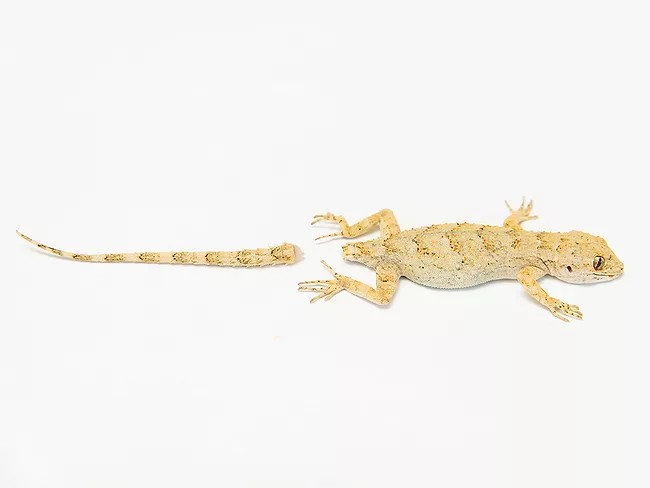
Losing the tail to survive. In neurons, the lizard’s strategy, losing the axon to be safe, could prevent cell death. Scientists at Harvard Medical School have observed that certain toxins activated axon loss to prevent damage and survive. This mechanism was mediated by the Gasdermin-E (GSDME) protein, which destroyed the mitochondria in the axons and eliminated the affected nerve projection before the cell died. The inhibition of GSDME prevented the loss of neurons and delayed the progression of amyotrophic lateral sclerosis (ALS) in mice models.
Two molecules that affected the cell cycle only of acute myeloid leukemia (AML) cells could be used as a clinical strategy against this pathology. Scientists at Memorial Sloan Kettering Cancer Center and Harvard University have discovered that DEG-35 and DEG-77 arrested the cell cycle and promoted cell differentiation and apoptosis in these cells.
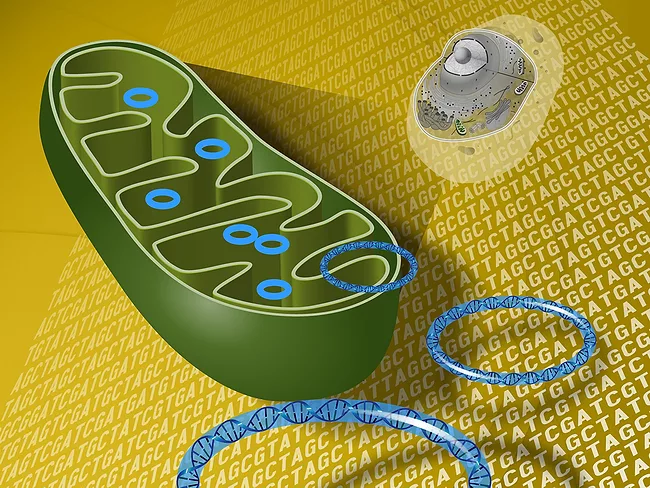
A deficiency in fumarate metabolism could be behind a new mechanism of inflammation mediated by mitochondrial DNA and RNA. Two independent and simultaneous studies described how the accumulation of fumarate in the mitochondria released the genetic material of this organelle through vesicles, activating an inflammatory signaling pathway.
Scientists from Washington University in St. Louis have described a role for T cells in the neurodegeneration associated with the tau protein. Tau accumulation in the brain activated microglia. This signal triggered the activation of T cells in other parts of the body, attracting them to the brain. Once there, the interaction of these T cells and microglia produced the neuronal damage seen in Alzheimer’s disease and other tauopathies.