The malfunction of lymphatic drainage that occurs in lymphedema leads to excessive cholesterol accumulation in the affected skin and lymphatic vessels, causing inflammation and fibrosis. However, surgery and the chemical reduction of accumulated cholesterol with cyclodextrin reduce inflammation and regenerate lymphatic vessels. Cholesterol is a potential therapeutic target for treating lymphedema, according to this study published on Feb. 11, 2026, in Nature by Veronique Angeli and her colleagues.
Scientists at Ghent University have created a mouse model that incorporates human versions of the receptors that recognize the fragment crystallizable region of immunoglobulin G, one of the most abundant antibodies in the blood and a key mediator of essential immune functions such as cellular activation, pathogen elimination and the regulation of inflammatory responses.
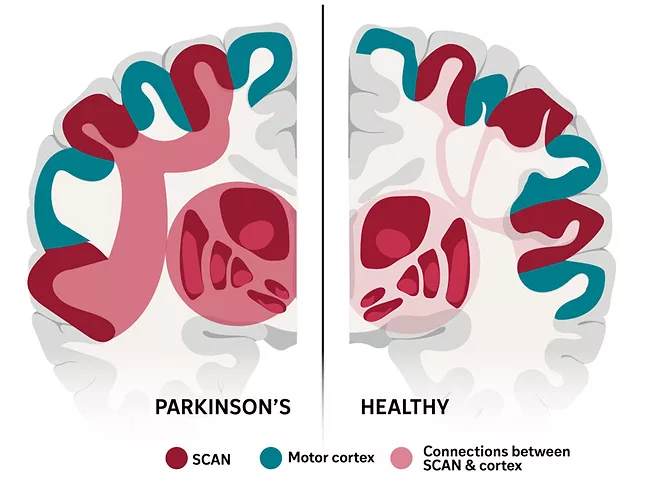
Parkinson’s disease (PD) is a neurodegenerative disorder that affects movement, and tremor is one of its signatures. But it is a much more wide-ranging disorder, and patients experience problems with cognitive and emotional processes as well. SCAN, the somato-cognitive action network identified in 2023, could reshape the definition of PD. Treating this circuit can improve outcomes.
Scientists at Ghent University have created a mouse model that incorporates human versions of the receptors that recognize the fragment crystallizable (Fc) region of immunoglobulin G (IgG), one of the most abundant antibodies in the blood and a key mediator of essential immune functions such as cellular activation, pathogen elimination and the regulation of inflammatory responses. These human Fcγ receptors allow the humanized mouse to more accurately reproduce IgG-driven biology, enabling more reliable and safer preclinical assays before evaluating monoclonal antibodies in clinical trials with people.
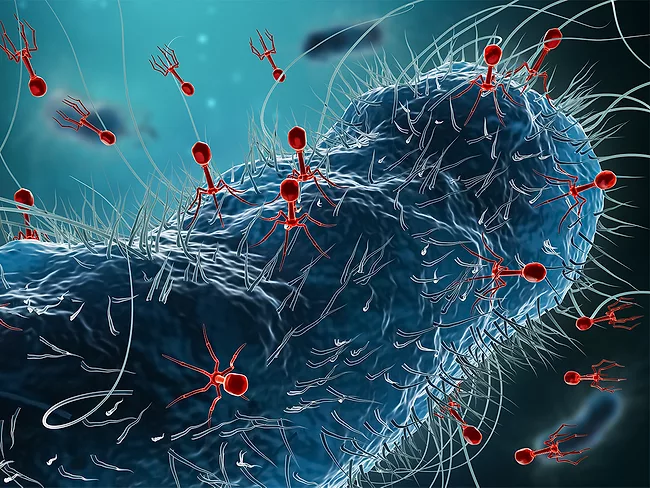
Certain chemical compounds can disable the bacterial immune systems that protect them from viruses, making the bacteria vulnerable to infection. Scientists at Indiana University have discovered a promising compound that works in different types of bacteria and could be used to develop potent and diverse phage therapies against bacterial infections, ultimately giving clinicians more options against antibiotic resistance.
Liver fibrosis in the course of metabolic dysfunction-associated steatohepatitis could be significantly reduced using CAR T-cells generated in vivo. Scientists at the Icahn School of Medicine at Mount Sinai have developed an experimental cell therapy that eliminates only one type of liver cell, the stellate cells that express fibroblast activation protein alpha. This strategy not only reduced fibrosis but also reversed liver damage.
How much have AI applications learned, and how can one know their capabilities if they are being evaluated with an exam that is far too easy? In 2024, with the publication of the previous benchmark to measure AI performance, the field debated whether existing assessments would keep pace with the rapid progress of AI.
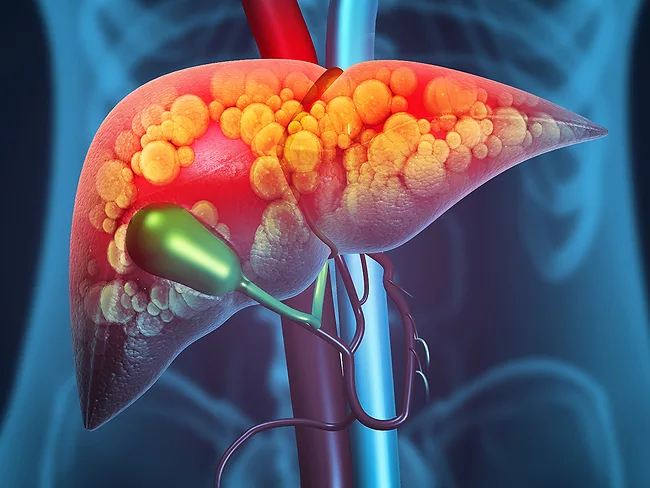
Liver fibrosis in the course of metabolic dysfunction-associated steatohepatitis (MASH) could be significantly reduced using CAR T-cells generated in vivo. Scientists at the Icahn School of Medicine at Mount Sinai have developed an experimental cell therapy that eliminates only one type of liver cell, the stellate cells that express fibroblast activation protein alpha (FAP). This strategy not only reduced fibrosis but also reversed liver damage.
A new method, based on gene editing with oligonucleotides and functional analyses, identifies which variants of DNA repair genes associated with Lynch syndrome are truly harmful and which are not. Scientists at The Netherlands Cancer Institute have developed this technique and classified these gene variants in both coding and noncoding regions, distinguishing those that are pathogenic from those that are benign.
The sea anemone Stichodactyla helianthus, which carpets the Caribbean seafloor, may hold the key to eliminating the senescent cells that survive cancer therapy. A collaboration led by Spanish scientists across several international research centers has discovered a new type of toxin that selectively eliminates senescent cancer cells.