Similarities among three pediatric brain tumors that arise in different structures of the CNS – pineoblastoma, retinoblastoma and Group 3 medulloblastoma – have been linked to their shared origin during pineal gland development. Scientists at St. Jude Children’s Research Hospital have identified the molecular signatures that drive these tumors from pinealocyte progenitor cells that conserve a common differentiation program, providing a shared therapeutic target for these three cancer types.
If one could sweep the brain clean and send the toxic substances that drive neurodegeneration to the recycling bin, perhaps one could treat Alzheimer’s disease (AD). Researchers at the Chinese Academy of Sciences propose a new therapeutic strategy that uses synthetic peptides that bind to amyloid-β (Aβ) and direct it toward lysosomes. In addition, researchers at the Washington University School of Medicine in St. Louis have genetically modified astrocytes in vivo to express chimeric antigen receptors (CARs) that recognize and phagocytose Aβ plaques.
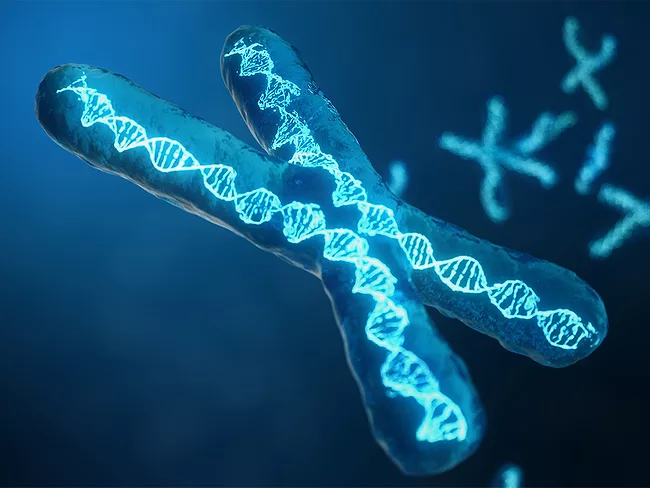
A therapeutic strategy based on alternative splicing of the MECP2 gene could restore protein levels in Rett syndrome, a neurological disorder caused by mutations in that gene. Scientists at Baylor College of Medicine have successfully tested this approach both in vitro in neurons from Rett patients that produce some functional protein, correcting the altered gene expression and improving neuronal functions, and in vivo in mice.
The massive cuts to science, global health, and HIV programs that unfolded in 2025 triggered a crisis with worldwide repercussions. The dissolution of USAID, the shutdown of PEPFAR, and the suspension of thousands of NIH research projects led to an immediate collapse of essential services, from HIV prevention to access to treatment. At the 33rd Conference on Retroviruses and Opportunistic Infections (CROI) held Feb. 22-25, 2026, in Denver, scientists, activists, and health professionals presented data illustrating the scale of the damage and warned of a historic setback in the global HIV response.
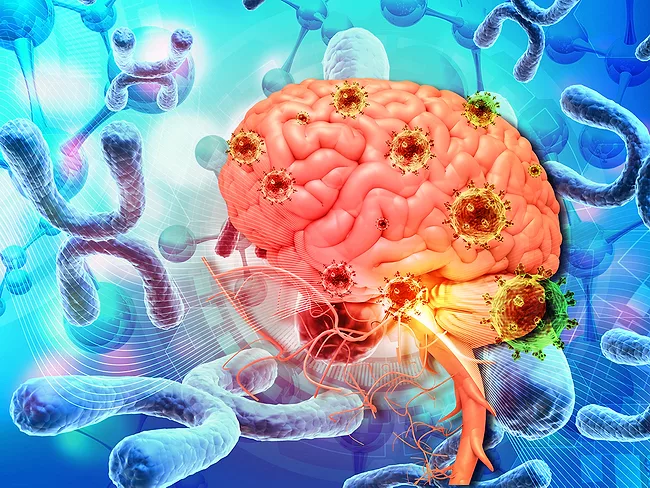
The effects of aging pose an additional challenge for people with HIV due to the neurological and psychological consequences that persist despite antiretroviral therapy. At the Conference on Retroviruses and Opportunistic Infections (CROI) held Feb. 22-25, 2026, in Denver, the scientific community examined how the virus affects the brain, how the reservoir is established in the CNS, and which genetic, immunological or treatment-related factors influence cognitive health.
Antiretroviral therapies against HIV have been in use for more than 30 years and have enabled people living with HIV to maintain undetectable viral levels. Many of them are aging in good health. However, others present symptoms of cognitive decline. HIV can reach the brain and establish a reservoir there. Yet, it is still unknown what this reservoir is like, which cells are affected, and which comorbidities are typical of aging or are associated with the virus.
SLAMF6 is an immune cell receptor whose function was not clear. Does it activate or inhibit cells? The results so far have been contradictory. Now, scientists at the Institut de Recherches Cliniques de Montréal have unveiled evidence that SLAMF6, a protein of the SLAM family that binds to copies of itself, is regulated by interactions between molecules of the same receptor within the same cell.
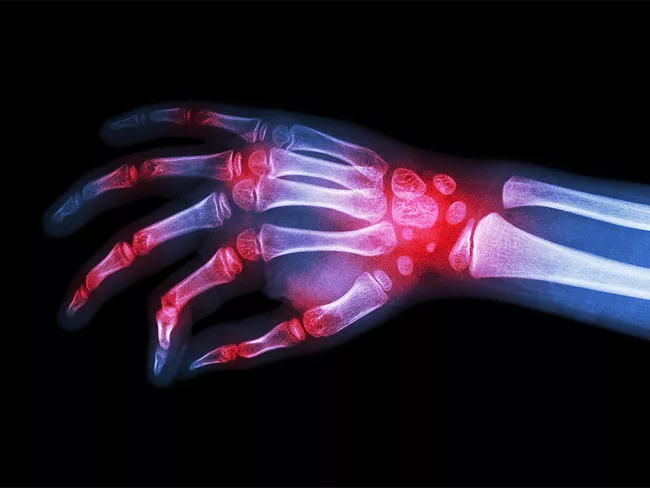
In the inflamed joints of rheumatoid arthritis, CD4+ T lymphocytes accumulate lipid droplets that make them vulnerable and promote their death, thereby amplifying joint inflammation. A study led by scientists at Mayo Clinic and Stanford University suggests that blocking the formation of these lipid droplets or their contents could offer a therapeutic strategy for this condition.
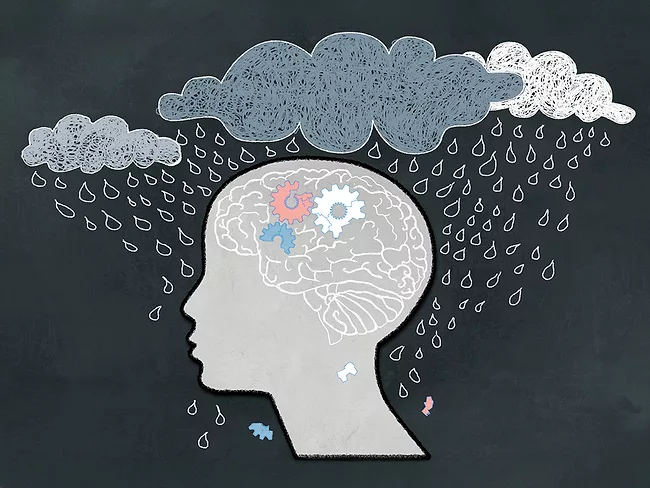
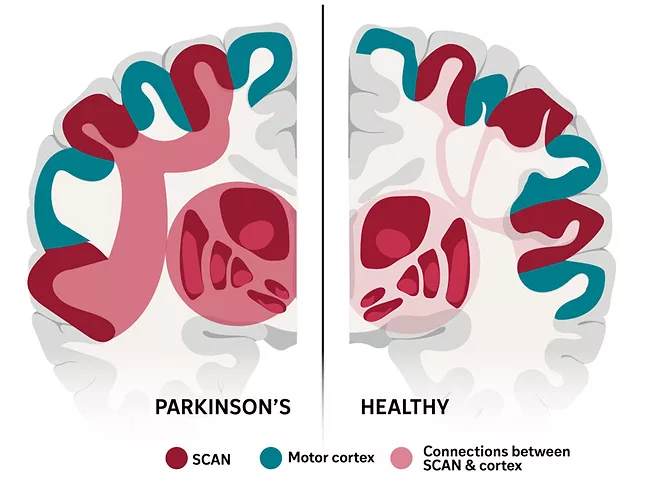
Parkinson’s disease is a neurodegenerative disorder that affects movement, and tremor is one of its signatures. But it is a much more wide-ranging disorder, and patients experience problems with cognitive and emotional processes as well. SCAN, the somato-cognitive action network identified in 2023, could reshape the definition of PD. Treating this circuit can improve outcomes.
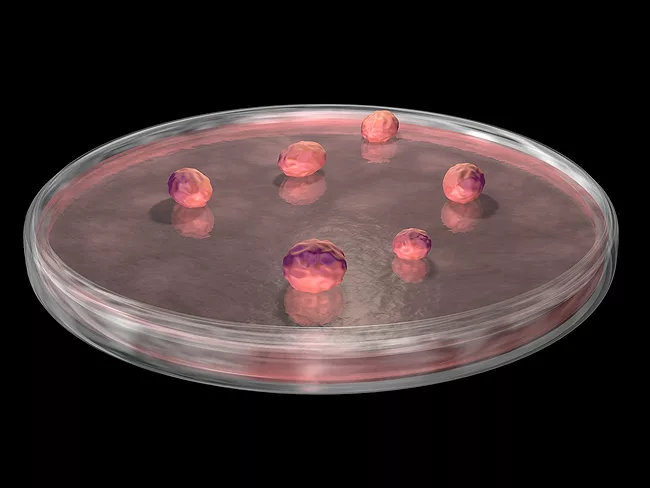
The variety of organoids that can be developed in vitro is enabling major advances. Depending on the type of tissues and the research goals, these small 3D cell-based structures that mimic real tissue offer certain advantages over animal models. Scientists at the University of Padova in Italy have created human neuromuscular organoids to reproduce cancer-induced muscle cachexia, a condition that murine models do not accurately replicate.