Peking University researchers in collaboration with the NIH have discovered a new biochemical pathway related to a bacterium that eliminates nicotine in the intestine. The findings could lead to new ways to improve nonalcoholic fatty liver disease in smokers.
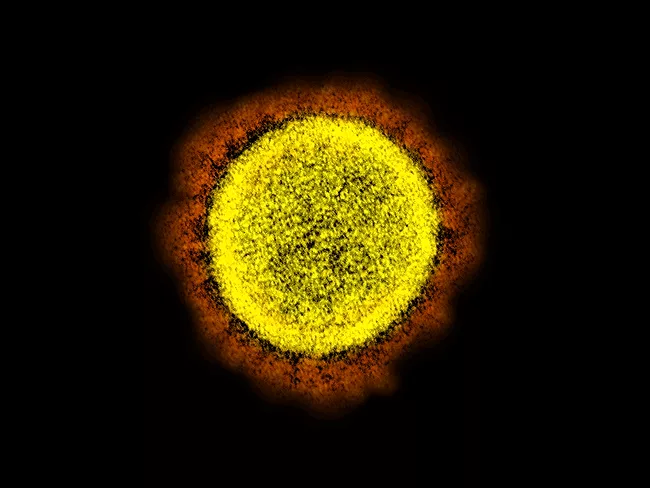
A group of scientists from The Ohio State University (OSU) in collaboration with the University of Chicago has found that targeting the enzyme NSUN2 could be used against a wide range of viruses. Its deficiency could stop infection by inhibiting gene expression and viral replication.
Three years after WHO declared the COVID-19 pandemic, some patients are still reporting symptoms from long-ago infections. And the scientific community is studying the reasons for the post-acute sequelae of SARS-CoV-2 (PASC). Until now, the studies provided varied reasons related to persistent COVID or PASC, such as acute SARS-CoV-2 injury in different organs, or reservoirs of the virus in certain tissues, as it happens with other pathogens like HIV. At the IDWeek 2022 infectious disease conference held this week in Washington, D.C., Eric Daar, chief of the Division of HIV Medicine at the Lundquist Institute at Harbor-UCLA Medical Center, moderated the session, 'COVID-19: Post-acute sequelae', where talks offered new results on the symptoms of people who have suffered prolonged COVID during the pandemic.
Peking University researchers in collaboration with the NIH have discovered a new biochemical pathway related to a bacterium that eliminates nicotine in the intestine. The findings could lead to new ways to improve nonalcoholic fatty liver disease (NAFLD) in smokers. In addition to the lung and the brain, nicotine can accumulate in the intestine, where the bacteria Bacteroides xylanisolvens could reduce its concentration and the severity of NAFLD. In their study, published in Nature Oct. 19, 2022, the researchers described the enzymes involved in this process and a new undiscovered pathway.
Tyrosine kinase SYK (spleen tyrosine kinase), an enzyme involved in immune signaling, could play a key role in Alzheimer's disease (AD), multiple sclerosis (MS), and other neurodegenerative diseases, according to a study from the University of Virginia (UVA). SYK regulates the activity of microglia, preventing the accumulation of secretions associated with AD or MS produced in these pathologies.
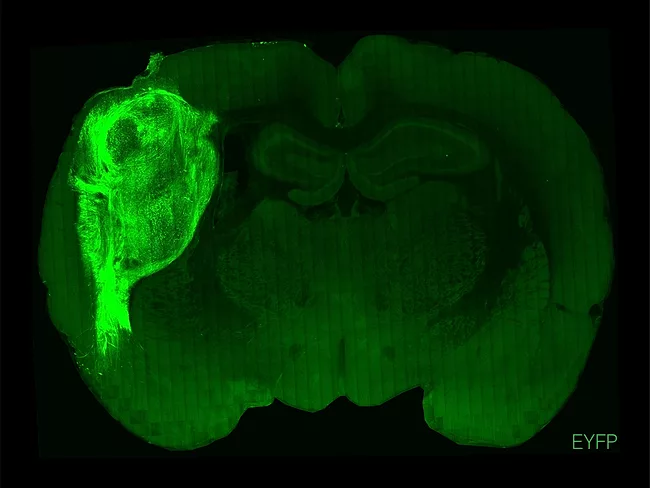
Human brain organoids transplanted into rats could be used as an in vivo model for the study of neuropsychiatric diseases. Researchers at Stanford University managed to mature human organoid neurons in the somatosensory cortex of the animal's brain and incorporate them into its neural circuitry.The integration improved the morphological and physiological properties of the transplanted neurons. Compared to those of organoids in a Petri dish, human cells preserved their own identity, and they modified the rat's learned behavior through stimulation and reward experiments.
Fibroblasts expressing the tumor suppressor p16INK4a (a marker of senescence) stimulated lung stem cells from young mice to repair damaged tissue, according to a study from the University of California, San Francisco (UCSF). The finding calls into question therapies that eliminate these senescent cells without considering their beneficial role in tissue homeostasis.
Human brain organoids transplanted into rats could be used as an in vivo model for the study of neuropsychiatric diseases. Researchers at Stanford University managed to mature human organoid neurons in the somatosensory cortex of the animal's brain and incorporate them into its neural circuitry.The integration improved the morphological and physiological properties of the transplanted neurons. Compared to those of organoids in a Petri dish, human cells preserved their own identity, and they modified the rat's learned behavior through stimulation and reward experiments.
A germline change in a single nucleotide increased the risk by up to 6-fold of developing an isocitrate dehydrogenase (IDH) mutant low-grade glioma. The rs55705857 genotype could serve as a biomarker before surgery to identify an early glioma.
Researchers have gained new insights into both genetic and nongenetic factors affecting life span, and how they differ between males and females. Several genes were correlated with longevity, according to a study by the École Polytechnique Fédérale de Lausanne (EPFL). However, some did not affect life span until males reached a certain age. Early access to nutrients during growth also affected longevity, as they saw in their study of more than 3,000 mice and verified with human data. “This study is one of the biggest studies on mass longevity. We were looking for genetic determinants of longevity but there are non-genetic determinants affecting longevity,” the first author Maroun Bou Sleiman, researcher at EPFL, told Bioworld.