Stimulating the brain via implanted electrodes is used to treat both movement disorders such as Parkinson’s disease, and some psychiatric conditions such as obsessive compulsive disorder. But researchers are also working on ways to make such implanted electrodes listen instead of talk – and translate neuronal signals for people that have lost the ability speak, or the ability to move.
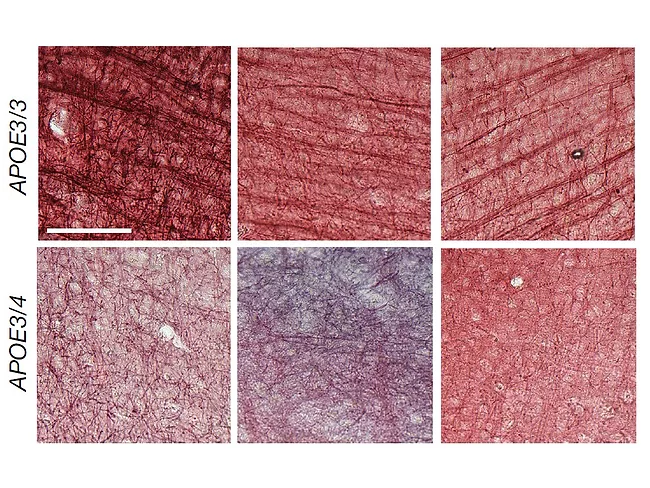
Carrying the apolipoprotein E4 allele (APOE4), and not the APOE3 variant, is the strongest risk factor for developing Alzheimer’s disease (AD). But the underlying mechanism has remained elusive. Now, researchers at MIT and Mount Sinai have found that in brains carrying the APOE4 allele, lipid and cholesterol processes were dysregulated in oligodendrocytes and that this effect reduced myelination.
Neurons are specialized cells with a high metabolic demand to fulfill their function, survive or keep a healthy half-life. In this sense, the anabolism and catabolism of proteins and lipids could be associated to different neurodegenerative diseases. At the 2022 annual meeting of the Society for Neuroscience, scientists reported the latest discoveries on neuron metabolic needs at a session on 'Powering Thoughts: The Regulation of Neuronal Energy Metabolism and Mitochondria.'
Stimulating the brain via implanted electrodes is used to treat both movement disorders such as Parkinson’s disease, and some psychiatric conditions such as obsessive compulsive disorder. But researchers are also working on ways to make such implanted electrodes listen instead of talk – and translate neuronal signals for people that have lost the ability speak, or the ability to move. At the Neurophysiology: Decoding and Neural Processing II session of the 2022 Annual Meeting of the Society for Neuroscience in San Diego, researchers from the Wyss Center for Bio and Neuroengineering (Switzerland) presented a device implanted in the brain that allowed restoration of movement and speech.
X-chromosome inactivation (XCI) is not unique to female cells and may confer some survival advantage to male cancer cells, according to scientists at the Dana-Farber Cancer Institute at Harvard. The noncoding RNA XIST (acronym for X-inactive specific transcript), which in female mammals (of genotype XX) inactivates one of the X chromosomes, preventing the overexpression of the genes of the repeated chromosome from early stages of embryonic development, also acts somatically in some male cancers, compensating for the loss of the entire chromosome.
“We found that a small percentage of male cancers are expressing XIST, which normally is expressed in female cancers. And the percentage of male cancers that express XIST is variable depending on the cancer type,” Srinivas Viswanathan, researcher in the Department of Medical Oncology at the Dana-Farber Cancer Institute at Harvard and assistant professor of Medicine at Harvard Medical School, told BioWorld.
Myc-associated factor X (MAX), the protein that forms dimers with Myc, could hold the key to blocking one of the most intractable oncogenes. Scientists at the University of Chicago have designed a synthetic molecule that effectively mimics a module of MAX's binding domain. In parallel, the Omomyc protein OMO-103, developed by researchers at the Vall d'Hebron Institute of Oncology (VHIO) in Barcelona, successfully completed a phase I clinical trial. From different therapeutic perspectives, both approaches corner Myc and predict the advance of this slow line of research.
Researchers from the University of Zaragoza and Promontory Therapeutics Inc. have discovered that PT-112, which has a multimodal mechanism of action, could have different clinical applications in cancer treatment due to its effects on mitochondria in castration-resistant prostate cancer (CRPC). PT-112 is an immunogenic small molecule currently in phase II development in metastatic castration-resistant prostate cancer (mCRPC). The researchers designed PT-112 to target advanced solid tumors, such as thymus, small-cell, non-small-cell lung or CRPC.
Diwali, the Festival of Light, marks different events depending on where it is celebrated. In some areas of India, it marks the return of Lord Rama to his birthplace of Ayodhya after defeating the demon Ravana.
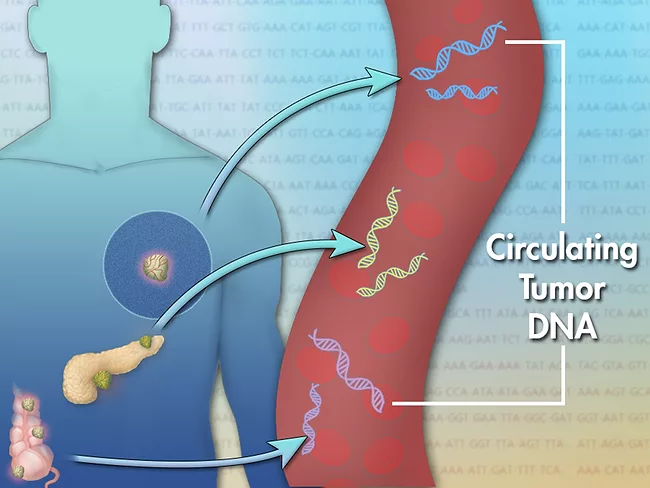
Nowadays, there are many tools for cancer diagnosis, from imaging techniques to biopsies. In traditional blood tests, liquid biopsy bursts onto the scene as an explosion of possibilities driven by molecular techniques for the detection and sequencing of proteins or genetic material. But specialists are cautious because they know that in liquid biopsies not everything is detected. At the ENA 2022 session “The role of ctDNA in clinical trials,” Marie Morfouace, a translational researcher at the EORTC, presented “ctDNA in clinical trial practice today,” where she described the balance of the possibilities of the liquid biopsy when confronting it with the results in patients offered by the studies published to date.
Diwali, the Festival of Light, marks different events depending on where it is celebrated. In some areas of India, it marks the return of Lord Rama to his birthplace of Ayodhya after defeating the demon Ravana. For Vivek Subbiah, associate professor at the Department of Investigational Cancer Therapeutics, Division of Cancer Medicine of the MD Anderson Cancer Center, the story of how Rama defeated Ravana has parallels in drug discovery. Ravana had 10 heads, and when one was cut off, it grew back. Rama defeated Ravana by means of a magic arrow that entered through the demon’s navel.