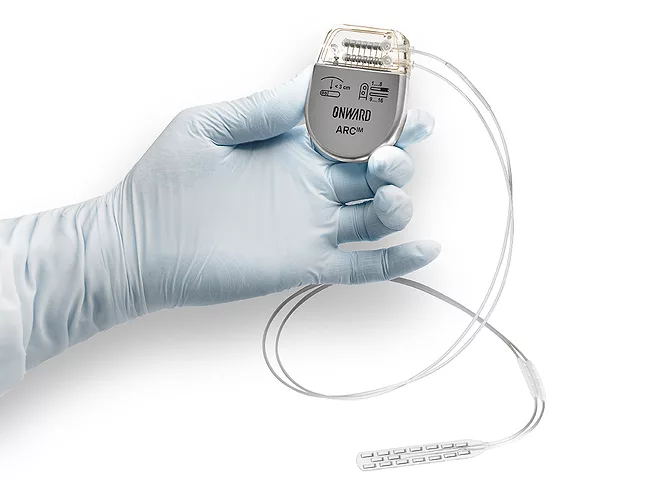
Onward Medical NV secured U.S. FDA investigational device exemption (IDE) approval for a pivotal study to assess the safety and efficacy of its implantable spinal stimulation technology, the ARC-IM system. The Empower study BP study will focus on addressing blood pressure instability in patients with spinal cord injury (SCI).
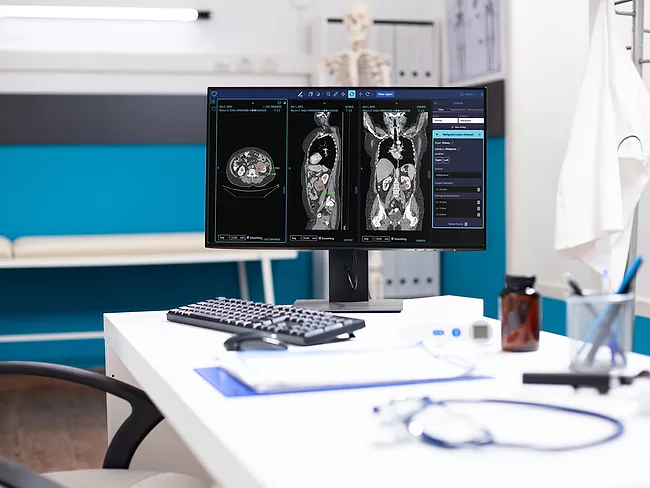
Better Medicine OÜ raised €1 million (US$1.16 million) in a pre-seed funding round for its AI platform, Bmvision Kidney, which uses deep-learning models to detect malignant kidney lesions. The funds will be used to accelerate the rollout of the software across Europe and prepare for U.S. FDA clearance.
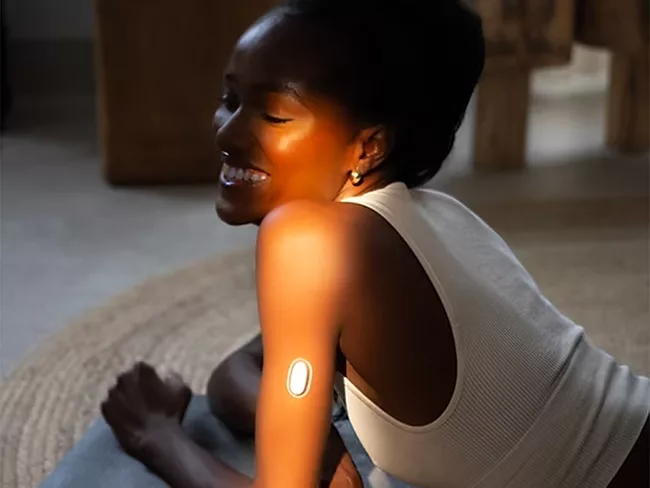
Sava Technologies Ltd. raised $19 million in a series A funding round for its multi-molecule biosensor platform that can detect biomarkers just beneath the skin, in real-time. The funds will go towards its first product, a continuous glucose monitor, which early clinical data showed can generate accurate glucose readings for up to 10 days of continuous wear.
Ultromics Ltd. raised $55 million in a series C financing round to expand its commercial footprint across the U.S. and invest in the development of new AI modules for earlier, more accurate detection of cardiovascular disease, Ross Upton, CEO and founder of Ultromics told BioWorld.
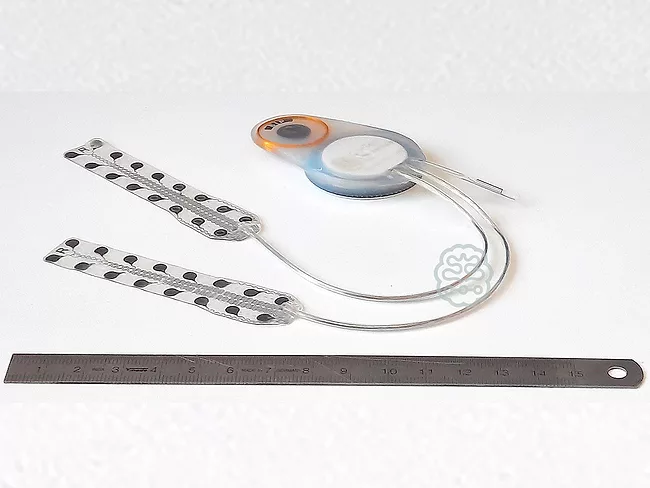
Cortec GmbH implanted its brain-computer interface (BCI) system, Brain Interchange, into a stroke patient in late July, joining a host of other companies conducting clinical trials of their BCI technologies to help people affected by neurological conditions recover lost function and improve their quality of life.
Boston Scientific Corp. received CE mark certification under the Medical Device Regulation for its Intracept intraosseous nerve ablation system, bringing another treatment option to patients with chronic pain.
Trinity Biotech plc recently unveiled CGM+, an AI-native, wearable biosensor that goes beyond traditional continuous glucose monitors and tracks glucose levels, cardiovascular activity and body temperature at the same time. The company believes that as precision medicine becomes central to health care, especially with the collection of real-time data, CGM+ will become a critical enabler of AI-based diagnostics, behavioral coaching and chronic disease management.
The European Commission approved up to €403 million ($472 million) in funding to support development of innovations in medical devices in the region. The funds will go towards 10 companies that incorporate novel digital and AI features into their solutions.
Roche Holding AG received CE mark for its Elecsys pTau181 test to help rule out Alzheimer’s disease. The minimally invasive blood test, developed in collaboration with Eli Lilly and Co., measures phosphorylated Tau 181 protein, a biomarker indicative of amyloid pathology, a hallmark of Alzheimer’s.
Modi Ventures closed its second fund with total commitments of $88 million as it continues its mission to invest in companies at the intersection of artificial intelligence, biology and medical technology. The venture capital firm sees the future of health care as a convergence of these technologies.