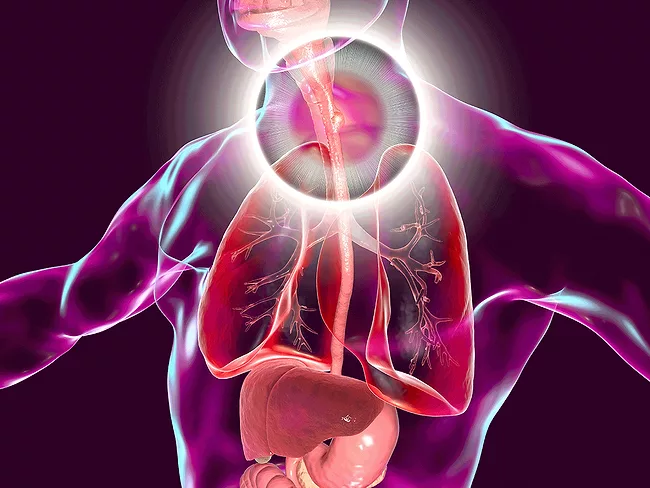
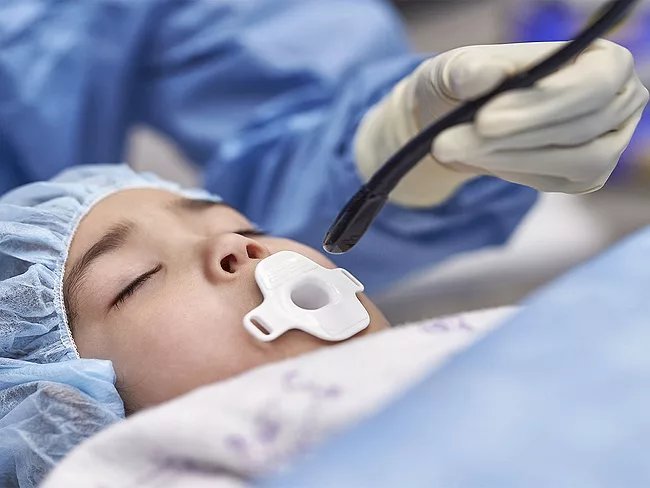
Cyted Ltd. received U.S. FDA 510(k) clearance for its Endosign capsule technology, a non-endoscopic capsule sponge device used to collect pan-esophageal samples to detect esophageal pre-cancer and other conditions. The company believes that the minimally invasive test will be able to help prevent deaths from esophageal cancer when offered as a screening test to people on long-term medication for heartburn.
Theryq SAS and Gustave Roussy, a European center for cancer research, were given €38 million (US$40.1 million) in funding by Bpifrance, the French public sector investment bank, to further develop Flashdeep, a flash radiotherapy device that uses extremely high energy electron (VHEE) radiation to treat cancers that are resistant to traditional treatments.
Royal Philips NV recently received some good news from the U.S. FDA which cleared its latest transesophageal echocardiography (TEE) ultrasound transducer, amidst ongoing efforts with the regulatory body to address problems with its sleep business. The X11-4t Mini 3D TEE transducer is 35% smaller than previous versions and is designed to provide cardiologists with high quality 3D images of the heart and its internal structure.
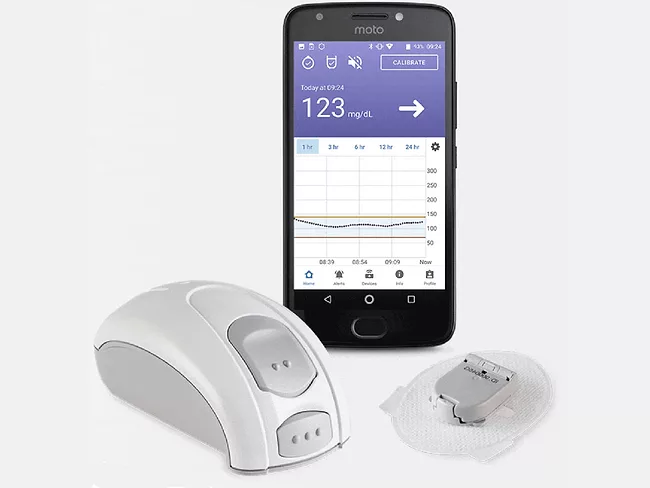
Trinity Biotech plc. paid $12.5 million to acquire Waveform Technologies Inc.’s biosensor and continuous glucose monitoring (CGM) assets. It also formed a partnership with Bayer AG to launch a CGM biosensor in China and India. These moves are part of Trinity’s transformation strategy to become a leading player in wearable biosensor technology.
A blood test developed by Datar Cancer Genetics Inc. for the detection of glial malignancies (GLI-M) could be a breakthrough for the diagnosis and treatment of brain cancer, according to a study published recently in the International Journal of Cancer.
Royal Philips NV agreed with the U.S. FDA to the terms of a consent decree focused on its Respironics business, following the recall of millions of its devices over the last few years. Although the details of the decree are being finalized, Philips said it will halt the sales of new continuous positive airway pressure (CPAP) and bilevel positive airway pressure (BiPAP) sleep therapy machines as well as other respiratory care devices in the U.S. until the conditions of the decree are met.
The U.S. FDA accepted Novocure GmbH’s premarket approval (PMA) application to use its Tumor Treating Fields (TTFields) technology together with standard systemic therapies to treat non-small cell lung cancer (NSCLC) following progression on or after platinum-based therapy. Novocure hopes that the application, under review, will get the green light and the therapy, which uses electric fields to disrupt solid tumors and kill cancer cells, will be on the market in the second half of 2024.
The $4.5 million in seed funding that Acorai AB recently raised will allow the company to continue its forward momentum in developing its technology to support the treatment of patients living with heart failure, Matthew Mace, co-founder and chief scientific officer told BioWorld. In practice, this means that with the funds the company will be able to meet its “projected timelines on the path toward regulatory approval in the U.S., focus on market entry and get the device into the hands of health care professionals sooner.”
A U.K. national health service (NHS) hospital has begun offering Allurion Technologies Inc.’s swallowable gastric balloon to patients struggling to lose weight for surgery. The move is a boon for the company amid rising competition in the weight loss market from GLP-1 agonists.
Carl Zeiss Meditec AG recently received U.S. FDA clearance for the latest generation of its femtosecond laser, the Visumax 800, with its Smile pro software, for surgically treating nearsightedness, with or without astigmatism.