Using direct current to stimulate a chronic wound can help it to heal up to three times faster, researchers from Chalmers Institute of Technology, Sweden, and the University of Freiburg, Germany, found. Working from a well-known hypothesis that the skin is electrostatic, the researchers engineered a microfluidic biochip on which skin cells were cultured. They then made tiny wounds in two cells. One was allowed to heal naturally while the other was stimulated with electricity.
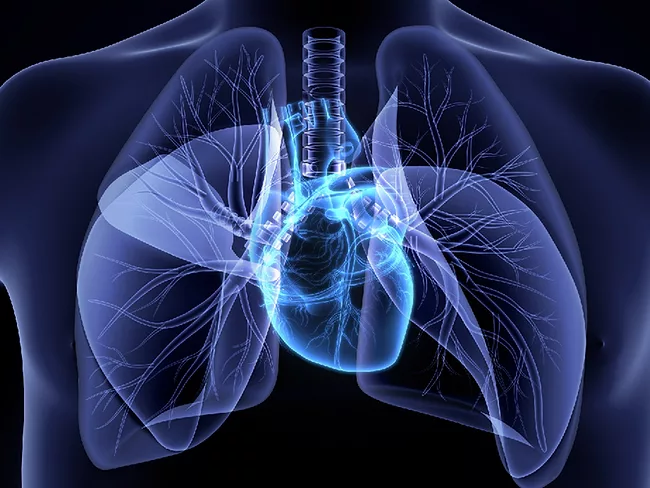
Ultromics Ltd. has been granted a U.S. FDA breakthrough device designation for its artificial intelligence (AI)-enhanced platform to aid early diagnosis of cardiac amyloidosis. Echogo Amyloidosis uses AI to analyze echocardiograms and detect the presence of cardiac amyloidosis, using a single commonly acquired ultrasound view of the heart. The platform was developed with the support of Janssen Biotech Inc., part of the Janssen Pharmaceutical Companies, a unit of Johnson & Johnson.
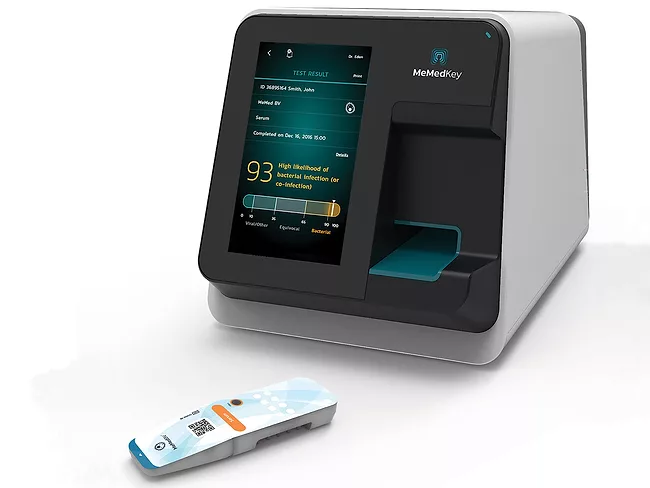
The Memed BV test, developed by Memed Diagnostics Ltd. to distinguish between bacterial and viral infections, offers an accurate diagnosis of the infection in children, and reduces the unnecessary prescription of antibiotics by physicians, according to a study published in the journal, PLOS One.
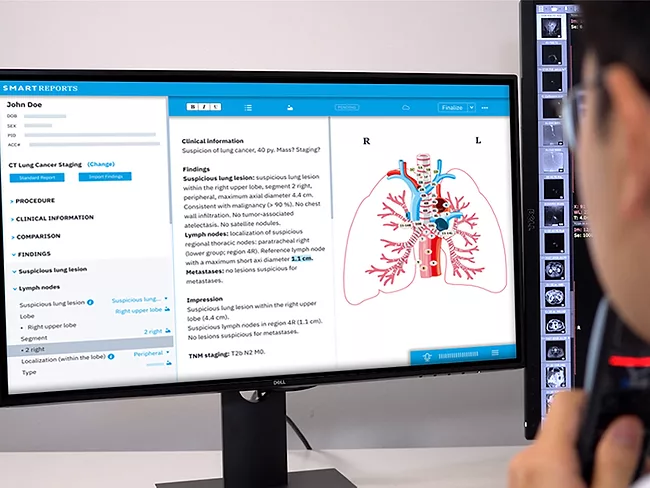
The €15 million (US$16.45 million) loan Smart Reporting GmbH recently received from the European Investment Bank (EIB) will take the company a “long way” as it looks to expand the use of its artificial intelligence (AI)-based medical documentation technology which “helps clinicians improve their workflow and patients to get better care,” co-CEO Peter Vanovertveld, told BioWorld.
Biocartis Group NV recent entered an agreement with Apis Assay Technologies Ltd. to develop Apis’ breast cancer subtyping assay on its Idylla platform, is part of the Belgium company’s mission to bring complex molecular testing to as many patients as possible, outgoing Biocartis CEO Herman Verrelst, told BioWorld. The Idylla platform is a fully automated, real-time PCR based molecular testing system. With the technology failing to penetrate the U.S. market, and the share price tanking in recent years, the Belgium-based company recently appointed Roger Moody to the top job, effective Apr. 24, 2023.
Gilde Healthcare Partners BV raised €600 million (US$658 million) in capital commitments for a new investment fund which will be deployed into companies across Europe and the U.S active in digital healthcare, medical technology and therapeutics. The fund, ‘Venture&Growth VI’, will focus on investing in fast growing companies developing solutions for better care at lower cost.
The €13.8 million (US$15.25 million) Kiro SAS recently raised in its series A financing led by Sofinnova Partners will enable the company to further develop its artificial intelligence (AI) platform, which standardizes and analyzes laboratory test results, making them more relevant to doctors and easier for patients to understand. The funding will also allow the company to prepare the groundwork to enter the U.S. market where, Alexandre Guenoun, CEO at Kiro, told BioWorld, there is a huge “opportunity” for the AI platform following changes to regulations which require laboratories to communicate test results directly to patients.
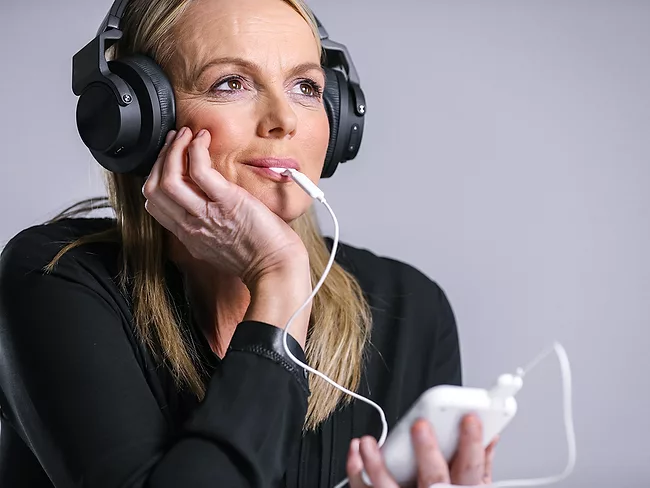
Neuromod Devices Ltd. will use the €30 million (US$ 32.78 million) financing it recently raised to launch its tinnitus treatment device, Lenire, in the U.S. where there are an estimated 50 million Americans suffering from tinnitus, CEO, Ross O’Neill, told BioWorld. “To get this financing closed is very exciting as we go into the U.S. market which is the biggest hearing market in the world,” he added.
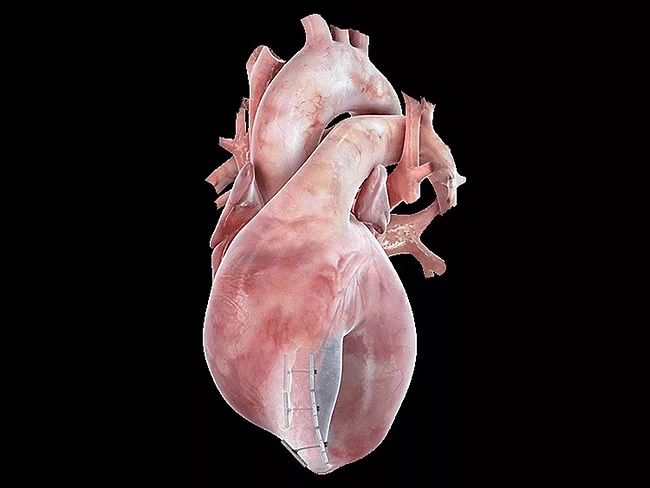
Andera Partners led a $48.5 million series A financing round for Bioventrix Inc. which will allow the medical device company to complete its premarket approval (PMA) submission for the Revivent TC system. Andera joined Cormorant Asset Management and Squarepoint Capital as new investors in Bioventrix. Existing investors, Taglich Brothers Inc. and Richmond Brothers, also contributed to the fundraising.
A new method for imaging microvascular blood flow which will allow for better diagnosis of vascular diseases such as diabetic foot ulcers has been developed by researchers from the department of biomedical engineering at Linkoping University, Sweden, in cooperation with Perimed AB.