A new metasurface design strategy that replaces rigid order with “engineered disorder” could significantly increase how many optical functions can be integrated into a single ultra-thin device without increasing size or complexity, according to a study published in Nature Communications. The study challenges a longstanding assumption in optical engineering that highly ordered, periodic structures are required to precisely control light.
In a publication in Molecular Pharmaceutics, researchers from Fudan University Shanghai Cancer Center China present the design and construction of a positron emission tomography-computed tomography (PET-CT) molecular imaging probe that accurately targets PRMT5, enabling real-time dynamic visualization and quantitative detection of PRMT5 expression levels.
Nuclidium AG is poised to circumvent the complex production and supply issues that have held back access to radiopharmaceuticals after closing a CHF79 million (US$99.3 million) series B, to advance the clinical development of its copper isotopes and extend the global manufacturing network.
Nuclidium AG is poised to circumvent the complex production and supply issues that have held back access to radiopharmaceuticals after closing a CHF79 million (US$99.3 million) series B, to advance the clinical development of its copper isotopes and extend the global manufacturing network.
Researchers at Washington University reported the preclinical validation of [18F]FQ-NeuroROS, a redox-sensitive reporter probe for imaging neuroinflammation in preclinical models of multiple sclerosis (MS). MS is a chronic autoimmune disorder of the central nervous system (CNS), characterized by inflammatory cell infiltration, demyelination and axonal damage.
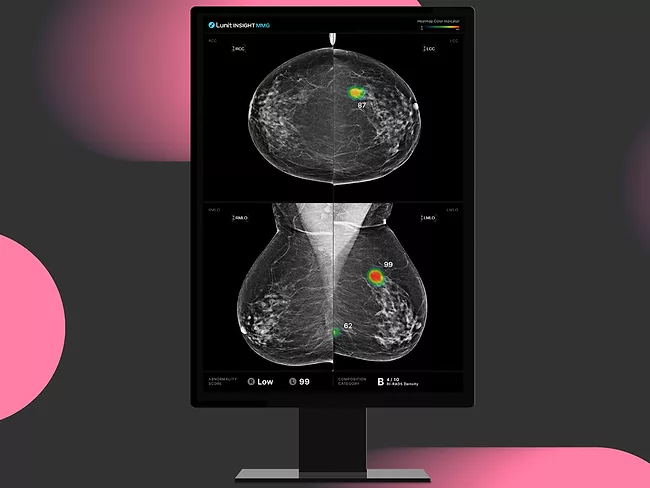
AI could significantly improve the value of patient recalls following mammography, but so far radiologists seem reluctant to rely on computer-aided readings. Radiologists tend to trust their own judgment – and that of their colleagues – in mammogram readings far more than AI-based diagnostics, even when the AI is much more accurate, a prospective trial analysis published in Radiology by Karolinska Institutet researchers found.
A 1,000-person study using Heartflow Inc. technology demonstrated that findings of coronary plaque on heart CT scans could indicate which patients were at risk of cardiovascular events up to seven years in the future – potentially providing a road map toward screening for heart disease, the leading cause of death for both men and women in the U.S. and worldwide.
Researchers from Massachusetts General Hospital and affiliated organizations have published preclinical data for [18F]CNL-02, a positron emission tomography (PET) radioligand targeting mitochondrial complex I (MC-I) that is being developed for the diagnosis of Alzheimer’s disease and other neurodegenerative disorders.
What does it mean for a confirmatory trial to be “underway”? That’s a question that’s been plaguing some drug sponsors, especially those in the ultra-rare disease space, since the U.S. Congress, in 2023, gave the FDA the authority to require that a confirmatory trial be underway at the time accelerated approval is granted.
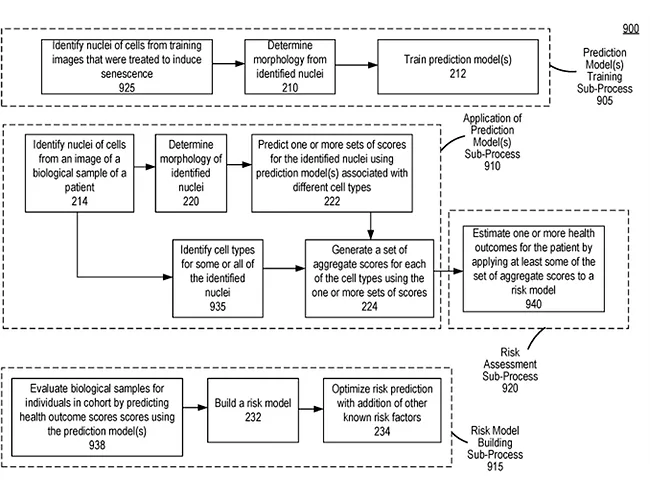
The first filing from Cancerrisk AI Inc. describes their development of a system that uses deep learning to predict future cancer risk from a biopsy image.