HCW Biologics Inc. has requested a type B (pre-IND) meeting with the FDA to discuss the development and regulatory strategy for its investigational tetravalent T-cell engager (TCE), HCW-11-018b, for solid tumors.
Tikva Allocell Pte. Ltd. has closed an $8 million series A financing to support its development of engineered, allogeneic cell therapies for adult and pediatric patients with solid tumors.
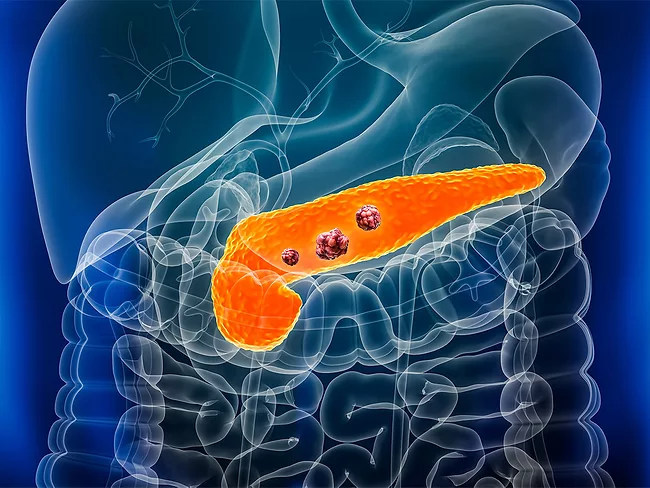
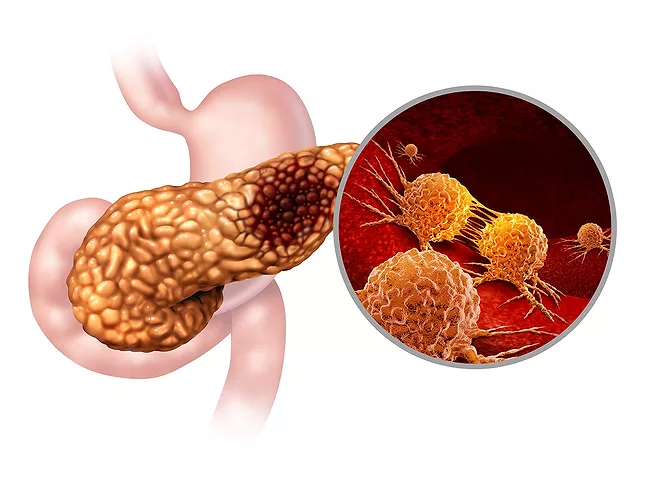
Pancreatic ductal adenocarcinoma (PDAC) is an aggressive human malignancy with a very poor 5-year survival rate of under 8%. Receptor tyrosine kinases (RTKs) are constitutively activated in PDACs. The atypical receptor-like tyrosine kinase RYK is overexpressed in several cancers and has been identified as a potential regulator of tumor signaling, but its role in PDAC remains little explored.
The data mill continues to churn out encouraging results in pancreatic ductal adenocarcinoma (PDAC), with shares of Ramat Gan, Israel-based Can-Fite Biopharma Ltd. benefiting from the latest, phase IIa dispatch that pushed shares (NYSE:CANF) up 58%, or $1.73, to close July 1 at $4.70.
The compound potently inhibited PGK1 in vitro, producing dose-dependent suppression in both a direct PGK1 inhibition assay and a PGK1 glycolytic activity assay.
The data mill continues to churn out encouraging results in pancreatic ductal adenocarcinoma (PDAC), with shares of Ramat Gan, Israel-based Can-Fite Biopharma Ltd. benefiting from the latest, phase IIa dispatch that pushed shares (NYSE:CANF) up 58%, or $1.73, to close July 1 at $4.70.
Midkine (MDK) is a multifunctional heparin-binding cytokine highly overexpressed and extracellularly enriched in the tumor microenvironment (TME) of several cancers.
Researchers from the University of Milan and collaborators reported the discovery and preclinical profile of a first-in-class covalent PFKFB3 inhibitor designed to achieve durable and selective suppression of tumor glycolysis while potentially improving tolerability compared with nonselective or reversible glycolysis inhibitors.
Tango Therapeutics Inc. will be sitting down with the U.S. FDA soon to discuss pivotal work ahead based on what Cantor analyst Eric Schmidt called “amazing” data from the phase I/II study of vopimetostat, a PRMT5 inhibitor, paired with Revolution Medicines Inc.’s RAS(ON) inhibitors in patients with MTAP-deleted and RAS-mutant metastatic pancreatic ductal adenocarcinoma (PDAC) as well as non-small cell lung cancer.
Waypoint Bio has closed a $20 million series A financing round to support its work developing next-generation in vivo CAR T therapeutics for solid tumors using a platform that integrates AI, computer vision and spatial pooled screening.