Tippingpoint Biosciences Inc. has closed an oversubscribed $4.5 million seed financing. The company, spun out of a lab at University of California, San Francisco (UCSF), is advancing its novel drug discovery platform designed to identify first-in-class drugs to treat diseases related to dysfunctional DNA packaging (chromatin).
Agora Open Science Trust’s wholly owned open science drug development company, M4K Pharma, has nominated M4K-2009 as the lead development candidate for diffuse intrinsic pontine glioma (DIPG). The ALK2 inhibitor program is now advancing into IND-enabling studies for this pediatric brain cancer.
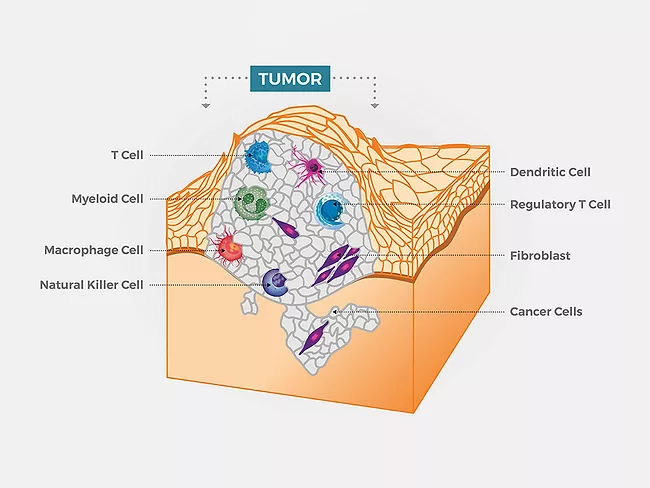
Diffuse intrinsic pontine gliomas (DIPGs) are aggressive pediatric brain tumors found in the pontine region of the brainstem. Due to their high intratumoral genetic and cellular heterogeneity and highly invasive phenotype, no curative strategies are currently available. Therefore, understanding how glioma cells interact with the tumor microenvironment (TME) to promote pathogenesis is crucial to developing novel therapeutic approaches.
Researchers from the QIMR Berghofer Medical Research Institute in Queensland, Australia and Emory University have shown that a potential new targeted therapy for childhood brain cancer was effective in infiltrating and killing tumor cells in mouse models.
Researchers from Excellamol Inc. presented the design and preclinical characterization of XM161-SN38, a novel IL-13Rα2-targeting polypeptide-drug conjugate being evaluated for the treatment of gliomas.
A researcher at Australia’s Children’s Cancer Institute has been awarded a 3-year US$400,000 grant by the Chadtough Defeat DIPG Foundation to develop and test a new drug candidate for diffuse intrinsic pontine glioma (DIPG).
Diffuse intrinsic pontine glioma (DIPG) is an almost universally fatal brain pediatric tumor and the only tumor indication where palliative radiotherapy is the current standard of care. Although chimeric antigen receptor (CAR) T-cell therapy may hold promise for treating DIPG, the elevated tumor heterogeneity and the prospect of antigen escape make the identification of additional targets crucial. Therefore, multiple targets need to be validated to facilitate a multipronged approach.
Researchers at Cold Spring Harbor Laboratory have successfully reversed epigenetic changes and slowed tumor growth in mouse models of diffuse intrinsic pontine glioma (DIPG) using antisense oligonucleotide (ASO) technology. DIPG is a rare pediatric brain cancer where the tumor’s location in the pons of the brainstem makes surgery impossible, and fractioned radiotherapy and chemotherapy efforts have failed to improve survival so far.
The U.S. FDA has given Sonalasense Inc. a green light to conduct two clinical trials in life-threatening brain tumors using sonodynamic therapy (SDT) and SONALA-001, an intravenous proprietary formulation of 5-aminolevulinic acid, or ALA. The studies – in diffuse intrinsic pontine glioma (DIPG) and recurrent glioblastoma (rGBM) – mark the first time SDT will have been used in clinical trials.
PERTH, Australia – The fight against diffuse intrinsic pontine glioma may finally see some progress, after experiments using 3D models of the tumor in animal studies showed that a combination therapy of the polyamine inhibitor AMXT-1501 (Aminex Therapeutics Inc.) and the ornithine decarboxylase 1 inhibitor difluoromethylornithine could eradicate cancer cells.