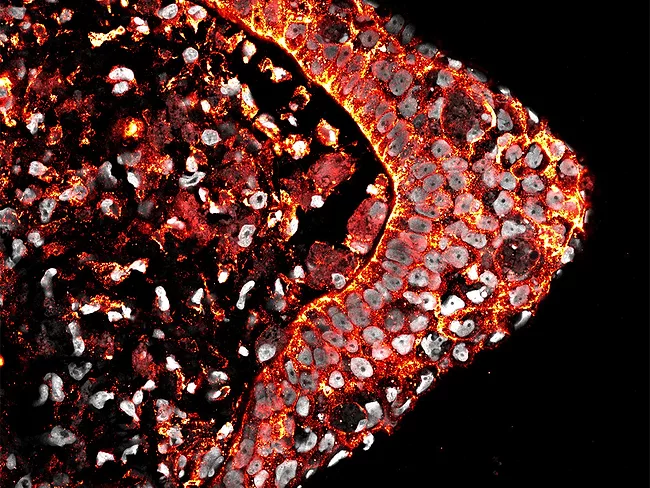
The loss of regenerative capacity in mammals over the course of evolution may be linked to certain environmental conditions rather than to a genetic limitation. Tissue stiffness around an amputated area, oxygen availability, or epigenetic regulation could determine this ability, according to two simultaneously published but independent studies published in Science, as reported by BioWorld yesterday.
The loss of regenerative capacity in mammals over the course of evolution may be linked to certain environmental conditions rather than to a genetic limitation. Tissue stiffness around an amputated area, oxygen availability, or epigenetic regulation could determine this ability, according to two simultaneously published but independent studies published in Science today.
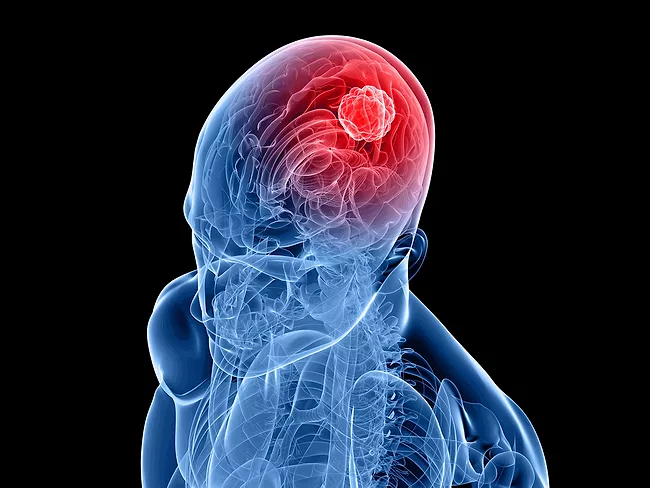
In a recent study published in Molecular Therapy: Oncology, researchers from the City of Hope National Medical Center and Beckman Research Institute (USA) and collaborators aimed to identify differentially expressed genetic pathways in glioblastoma multiforme (GBM) tumor cells after 48 hours of hypoxia treatment by performing RNA sequencing.
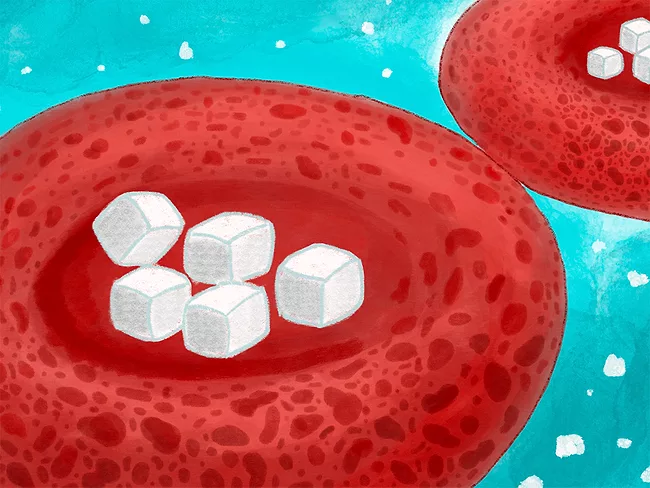
On the average, humans – and pigs, and deer, and birds – who live at high altitudes have better blood glucose control than their counterparts near sea level. In work published in the Feb. 19, 2026, issue of Cell Metabolism, investigators have linked this phenomenon to red blood cells that directly take up and metabolize glucose from the blood under low oxygen conditions.
Long noncoding RNAs (lncRNAs) have emerged as potential markers of disease, since they associate with proteins that regulate gene expression, translation or stability, among others, and where hypoxia might play a role in this scenario. In recently published work, researchers analyzed clinical data from patients with lung adenocarcinoma to identify hypoxia-modulated lncRNAs in vivo and in vitro, and which could correlate with prognosis.
Long noncoding RNAs (lncRNAs) have emerged as potential markers of disease, since they associate with proteins that regulate gene expression, translation or stability, among others, and where hypoxia might play a role in this scenario. In recently published work, researchers analyzed clinical data from patients with lung adenocarcinoma to identify hypoxia-modulated lncRNAs in vivo and in vitro, and which could correlate with prognosis.
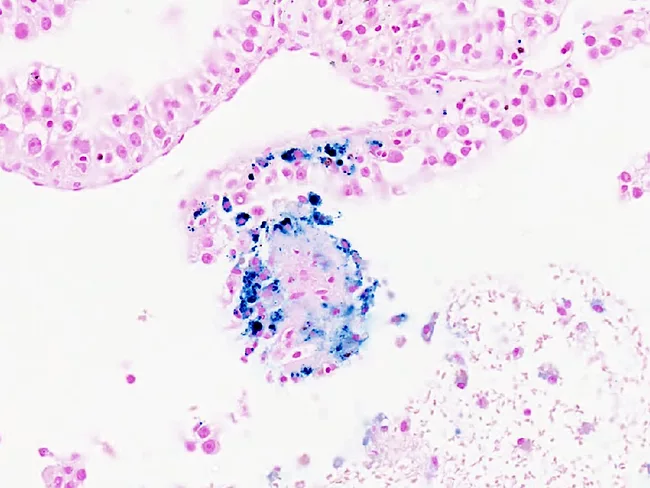
If a cancer patient has bone metastases, they will frequently have anemia as well. Given that the bone marrow is the site of blood cell formation, this observation is perhaps not unexpected. But its molecular underpinnings had been unclear to date. Now, researchers at Princeton University and the Rutgers Cancer Institute of New Jersey have identified a specialized group of iron-transporting macrophages in the metastasis-anemia link.
Oxford University Innovations Ltd. has synthesized hypoxia-activated proteolysis targeting chimeras (hypoxia-activated PROTACs; HAP-TAC) comprising a hypoxia-activated moiety modified E3 ubiquitin ligase-binding moiety coupled to a protein targeting moiety through a linker reported to be useful for the treatment of cancer.
FK506-binding protein-like (FKBPL) is an immunophilin protein family member with critical functions in physiological and pathological angiogenesis. Its therapeutic peptide derivative AD-01, currently a preclinical peptide candidate, targets angiogenesis via CD44. AD-01 acts both as a vascular stabilizer and an anti-inflammatory agent under pro-inflammatory conditions.
Multiple endogenous retroviruses (ERVs) in human DNA may be programmed to activate as cancer therapy. A recent study, led by scientists at the Dana-Farber Cancer Institute, expanded on a previously reported case of kidney cancer cure after hematopoietic stem cell transplantation attributed to the expression of an ERV driven by the hypoxia-inducible factor 2 (HIF2). The question was whether this finding might play out with different ERVs and different types of cancer through HIF.