The U.S. FDA has approved UCB SA’s Kygevvi (doxecitine and doxribtimine), the first treatment for the ultra-rare, genetic and life-threatening mitochondrial disease thymidine kinase 2 deficiency. The approval comes as the company reaps a reward of rebuilding and reorganizing that it began little more than a year ago.
Minovia Therapeutics Ltd. has announced a $350,000 grant from Countdown for a Cure for a research proposal related to the development of novel mitochondrial blood-based biomarkers.
Acurex Biosciences Corp. has divulged fused quinone compounds acting as ferroptosis inhibitors reported to be useful for the treatment of mitochondrial disease.
Researchers from Pretzel Therapeutics Inc. and the University of Gothenburg have published new insights on how mutations in the POLG gene affect its functionality and are tied to PolG diseases. They have also presented a compound for its potential treatment, PZL-A. They published their results in Nature on April 9, 2025.
Acurex Biosciences Corp. has synthesized phenothiazines acting as ferroptosis inhibitors reported to be useful for the treatment of mitochondrial disease.
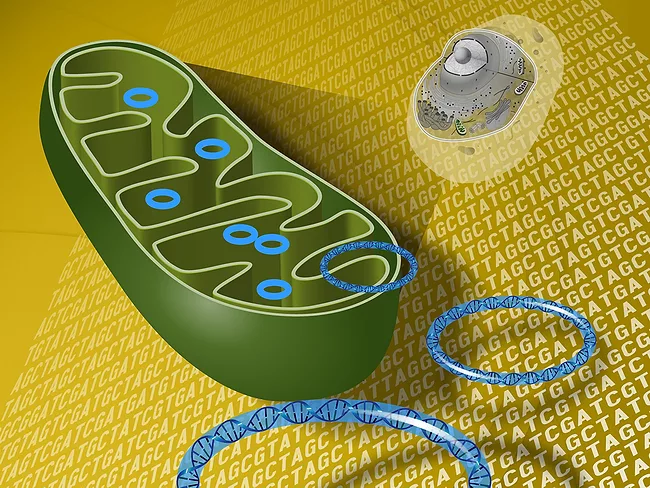
Although there are different methods of nuclear gene editing, there are still no effective treatments against mitochondrial disorders due to genetic alterations. Now, a group of researchers at Precision Biosciences Inc. and the University of Miami (UM) has developed a genetic edition platform that targets mitochondrial DNA (mtDNA) to delete its mutations.
“The ARCUS technology that we use is based on an enzyme found in nature called I-CreI. It is an enzyme that recognizes a 22 base pair DNA sequence within a species of green algae. And when it finds that DNA sequence, it will generate double-strand breaks,” first author Wendy Shoop, a scientist at Precision Biosciences, told BioWorld.
Abliva AB has gone above its market capitalization to raise the money it needs to start a phase II/III trial of KL-1333 for the treatment of primary mitochondrial disease.
Luca Science Inc. has raised $30.3 million in an oversubscribed series B financing, enabling it to advance a mitochondria replacement therapy toward the clinic. The company is planning a phase Ib trial in myocardial infarction, in which 8 to 12 patients will receive injections of mitochondria immediately after having a heart attack.
Abliva AB has gone above its market capitalization to raise the money it needs to start a phase II/III trial of KL-1333 for the treatment of primary mitochondrial disease.