The search for better schizophrenia therapies is moving beyond dopamine toward a growing number of experimental targets. According to researchers, the repeated failures of some late-stage programs may reflect not only the complexity of the disease, but also the need to better identify the patients most likely to benefit from each approach.
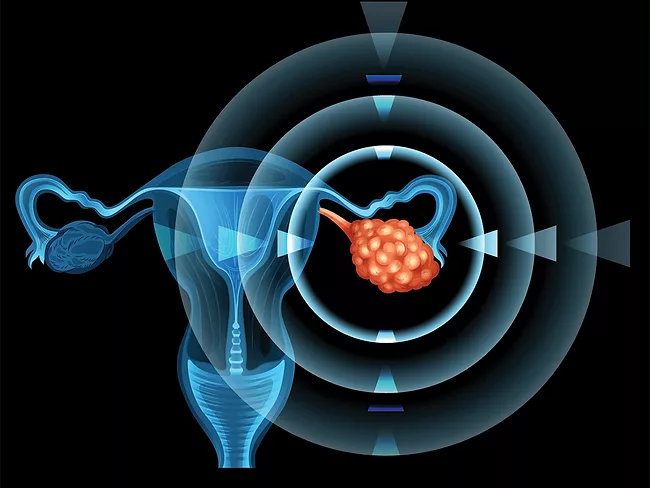
In a recently published study, researchers from the Institute of Biomedical Research of Salamanca and collaborators investigated the potential of CD98hc as a novel antibody-drug conjugate (ADC) target in ovarian cancer. CD98hc, encoded by the SLC3A2 gene, is a transmembrane glycoprotein involved in amino acid transport, cell adhesion and signal transduction, among other biological activities.
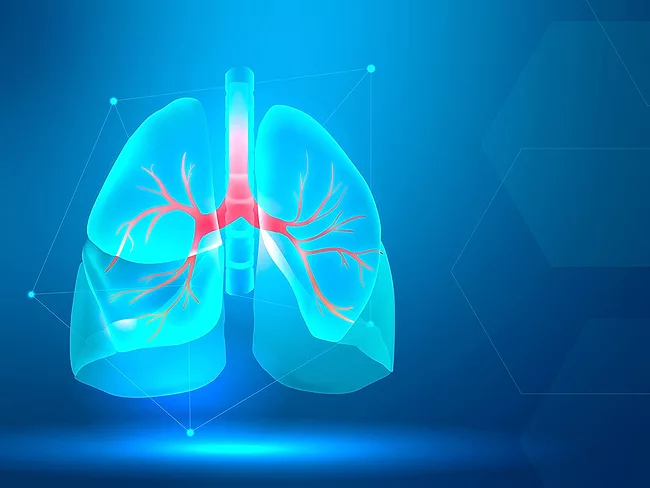
Pulmonary arterial hypertension (PAH) is a fatal condition characterized by abnormal vascular remodeling from excessive proliferation of pulmonary arterial smooth muscle cells (PASMCs). Recent evidence has suggested that structural maintenance of chromosomes 4 (SMC4) is upregulated in pulmonary tissue from patients with PAH and may be a potential target for therapy, since it has been tied to modulating pathological cell proliferation.
Thioredoxin reductase 1 (TXNRD1) is a key component of the thioredoxin antioxidant system that helps maintain cellular redox homeostasis and regulates critical cellular processes such as proliferation, apoptosis and immune responses. A team of researchers at Central South University systematically investigated TXNRD1 expression and function in psoriatic keratinocytes using gene expression datasets, clinical samples and in vitro and in vivo models.
Acute lung injury (ALI) is an inflammatory pulmonary disease mainly caused by infection. It can progress to the life-threatening condition acute respiratory distress syndrome (ARDS). ALI/ARDS account for a high mortality rate of about 40%. Elucidating the mechanisms behind ALI/ARDS is crucial for developing new therapeutics.
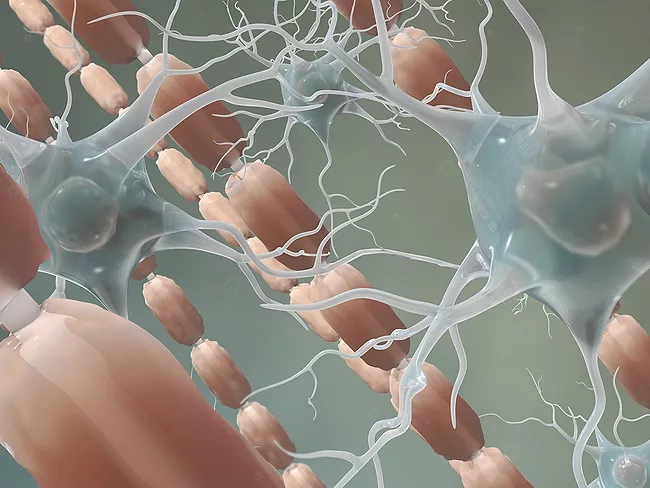
Myelin is crucial for the correct functioning of nerve signaling and its loss is a feature of neurological disorders. The cells responsible for myelination in the CNS are oligodendrocytes (OLs), which derive from oligodendrocyte precursor cells (OPCs).
Ovarian clear-cell carcinoma is a cancer characterized by inherent resistance to platinum-based therapies and lacks an effective targeted therapeutic approach. On the other hand, chaperone-mediated autophagy is a lysosomal degradation mechanism to stabilize cellular homeostasis during stressful scenarios, but its role in modulating platinum response in ovarian cancer is not well understood.
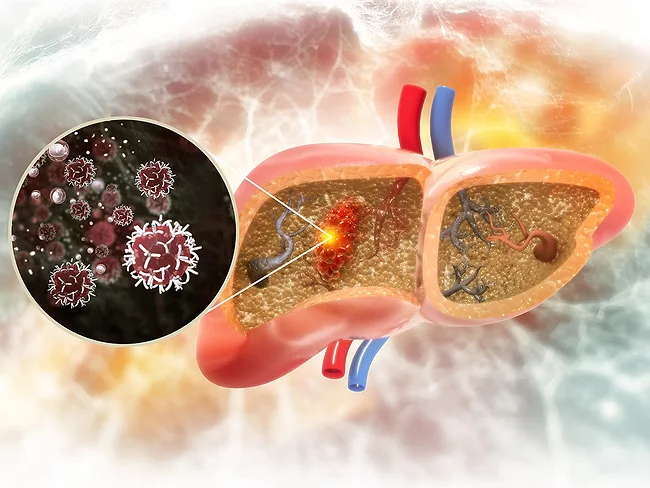
Researchers in Korea have investigated the interaction of SET-domain containing 1B (SET1B) with other proteins in vitro, as well as the impact of SET1B depletion in hepatocellular carcinoma cell lines.
FAM3D is a protein mainly expressed in the gastrointestinal tract, but also detectable in vascular endothelial cells. It is known to worsen intestinal inflammation by recruiting neutrophils, but its role in atherosclerosis is not well understood.
Analyzing different databases, researchers found that CLDN1 was the most highly expressed claudin in tissue samples from patients with cholangiocarcinoma (CCA), both in intrahepatic and extrahepatic CCA subtypes, compared with nontumoral bile duct samples.