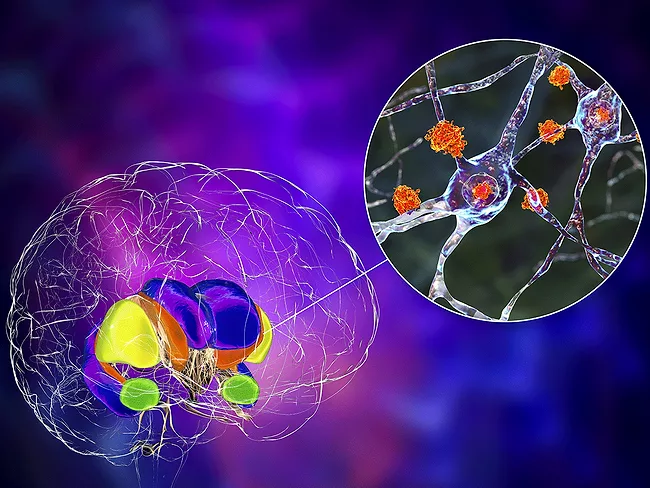
Harness Therapeutics Ltd. has been awarded a grant from The Michael J. Fox Foundation for Parkinson’s Research (MJFF) to advance its Parkinson’s disease program targeting glucocerebrosidase (GCase) and lysosomal integral membrane protein-2 (LIMP2) in GBA1-Parkinson’s disease.
The U.S. FDA’s year-old Commissioner’s National Priority Voucher (CNPV) pilot program played to mixed reviews at the agency’s June 4 listening session intended to get various stakeholders’ perspective on the ultra-accelerated review process being offered to qualifying drugs.
Latus Bio Inc. has closed a $97 million series A financing to support its broad therapeutics pipeline based on novel AAV capsid variants. Proceeds from the financing are expected to fund operations through milestones that include initial clinical data from the company’s two most advanced programs: LTS-201 for Huntington’s disease and LTS-101 for late-infantile neuronal ceroid lipofuscinosis type 2 (CLN2) disease.
What PTC Therapeutics Inc.’s latest data with votoplam might mean in the Huntington’s disease (HD) landscape became grist for Wall Street after the firm unveiled top-line results from the phase II Pivot-HD study, sharing data from the 24-month interim analysis of the long-term extension effort.
The regulatory clouds that have been darkening the U.S. FDA landscape of late for Uniqure NV’s gene therapy AMT-130 in Huntington’s disease may be parting a bit with the announced departure of Vinay Prasad as director of the agency’s CBER at the end of April.
A lot of distance lies between talking regulatory flexibility and actually being flexible. That message was driven home again after Uniqure NV disclosed in its latest earnings report March 2 that the U.S. FDA wants a sham-controlled study before it will consider approval of the company’s gene therapy AMT-130 in Huntington’s, a rare disease currently affecting about 41,000 people in the U.S.
Uniqure NV is the latest firm to get caught between the FDA’s shifting demands for “gold standard” science and regulatory flexibility for rare disease therapies. The company disclosed in its latest earnings report that U.S. regulators are calling for a sham-controlled study before they will consider approval of gene therapy AMT-130 in Huntington’s disease, a requirement that could set the program back by two to three years and raises potential ethical issues.
Rgenta Therapeutics Inc. has announced preclinical data on RGT-0474060, an oral PMS1 inhibitor for Huntington’s disease. RGT-0474060 is an orally bioavailable small molecule designed to inhibit PMS1 RNA and protein expression, to modulate splicing of CAG repeat expansion known to cause Huntington’s disease.
Porosome Therapeutics Inc. has announced the development of novel first-in-class porosome-targeting small molecules and blood-brain barrier-traversing peptide drugs developed using the company’s Porosome.AI platform to treat various secretory disorders, such as Alzheimer’s disease and type 2 diabetes.
Sarepta Therapeutics Inc. has filed a clinical trial application (CTA) in New Zealand seeking clearance to initiate a first-in-human trial of SRP-1005 (formerly ARO-HTT). Pending approval, the INSIGHTT trial is anticipated to begin in the second quarter of this year.