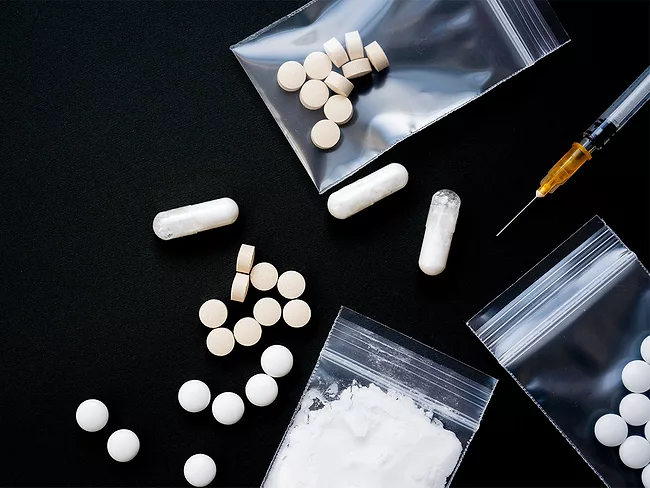
Counterx Therapeutics Inc. has executed an exclusive licensing agreement with the University of Minnesota and the University of Washington for a portfolio of novel monoclonal antibody and vaccine candidates targeting fentanyl and opioid overdose.
The University of Washington has divulged antibody-drug conjugates (ADCs) comprising an antibody targeting HER2 (erbB2) linked to monomethyl auristatin E (MMAE) through a linker. They are described as useful for the treatment of cancer.
Dentatorubral-pallidoluysian atrophy (DRPLA) is a lethal neurodegenerative disorder caused by pathogenic expansion of CAG repeats within the atrophin-1 (ATN1) gene. As DRPLA belongs to the broader class of repeat expansion disorders (RED) that are driven by toxic gain-of-function effects, reduction or elimination of ATN1 expression is predicted to provide therapeutic benefit.
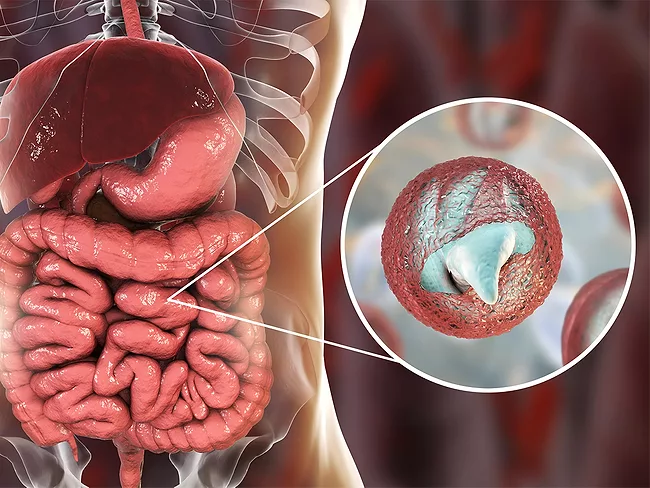
Chronic infection with the parasitic protozoan Cryptosporidium can cause debilitating diarrhea and lead to cognitive impairment and cachexia. Researchers at the University of Washington and collaborators have identified the 5-aminopyrazole-4-carboxamide BKI-1708 as an inhibitor of calcium-dependent protein kinase 1, which is highly expressed during proliferation of the parasite.
Deep learning tools for protein design can also be used to create molecules that bind to them. Certain peptides, such as intrinsically disordered proteins (IDPs), are challenging to target due to their variable nature. However, scientists from the lab of Nobel laureate David Baker have developed a method to generate binders for IDPs by searching the world’s largest protein database with their AI-powered tool RFdiffusion.
Deep learning tools for protein design can also be used to create molecules that bind to them. Certain peptides, such as intrinsically disordered proteins (IDPs), are challenging to target due to their variable nature. However, scientists from the lab of Nobel laureate David Baker have developed a method to generate binders for IDPs by searching the world’s largest protein database with their AI-powered tool RFdiffusion.
Following Nobel Prize-winning chemist David Baker’s recipe for cooking an antidote to cobra venom using artificial intelligence (AI) could be faster and more effective than currently available methods. The ingredients and steps can be found in a new study published by the University of Washington scientist in collaboration with the Technical University of Denmark. They are ready for the next steps in preclinical trials.
Following Nobel Prize-winning chemist David Baker’s recipe for cooking an antidote to cobra venom using artificial intelligence (AI) could be faster and more effective than currently available methods. The ingredients and steps can be found in a new study published by the University of Washington (UW) scientist in collaboration with the Technical University of Denmark. They are ready for the next steps in preclinical trials.
University of Washington has divulged compounds acting as methionyl-tRNA synthetase (bacterial) inhibitors reported to be useful for the treatment of bacterial and protozoal infections.
Researchers from the University of Washington are developing new antibiotics targeting bacterial methionyl-tRNA synthetase (MetRS). This enzyme is responsible for charging tRNA(met) with methionine and integral to protein synthesis.