The Office of Inspector General (OIG) said in a new report that the U.S. Medicare program had overpaid a group of providers of durable medical equipment (DME) by nearly $23 million between 2018 and 2024, an amount that is a significant drop from prior years, but which OIG said calls for further reforms for the Medicare DME program.
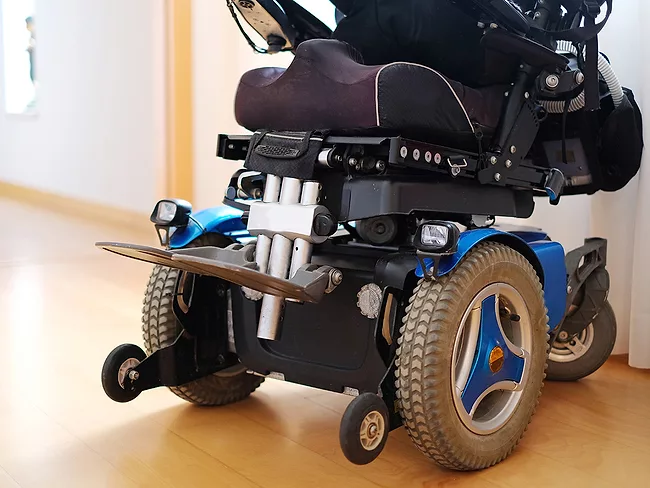
The U.S. CMS has wrapped up a coverage analysis for seat elevation systems that are accessories for power wheelchairs, but the agency went above and beyond the strict terms laid out in the proposed decision memo.
The U.S. CMS has unveiled a proposed national coverage determination for powered seat elevation systems for Group 3 power wheelchairs, one of the more expensive items in the category of mobility durable medical equipment (DME). However, the agency indicated that it will soon examine coverage of powered seat elevation systems for Group 2 power wheelchairs, the combination of which suggests that manufacturers in the DME space are looking at a market that seems poised to explode.
The U.S. is making strides in addressing the drug and device supply chain vulnerabilities revealed by the COVID-19 pandemic, but there’s still a lot of work to do to reduce dependance on sole source suppliers and foreign manufacturing, according to a new Health and Human Services (HHS) report.
Developers of apps for digital health have struggled to obtain Medicare coverage in the U.S. for their products, an impasse that seems unlikely to resolve anytime soon. Jason Bennett of CMS said on a Feb. 9 webinar that while the durable medical equipment (DME) benefit category seems like a natural fit for digital health products, there are some statutory and definitional roadblocks, including that digital health products might not be durable enough to qualify.
The U.S. CMS has crafted a payment policy that covers both adjunctive and non-adjunctive continuous glucose monitors (CGMs) in the final rule for durable medical equipment (DME). Medtronic plc, of Dublin, heralded the move as “a very important benefit expansion” for the company’s customers, but the expanded coverage also pays for additional CGMs that work with Medtronic insulin pumps.
The frequent calls for an expansion of telemedicine have come with relatively hushed advisories about the potential for fraud, concerns that have been borne out by an indictment recently returned by a federal grand jury in New Jersey. A company that presented itself as a provider of telemedicine services has been charged with filing $784 million in false claims for unnecessary durable medical equipment.
The latest global regulatory news, changes and updates affecting medical devices and technologies, including: HHS commits more funds for testing, materials to fight pandemic; Medtronic announces recall of Valiant Navion; Florida man pleads guilty in DME fraud.
The latest global regulatory news, changes and updates affecting medical devices and technologies, including: Advisory hearing gives Neovasc Reducer poor marks for efficacy; CMS eyes expanded DME coverage of CGMs; APEC launches Vision 2025 for business ethics; Innovation Alliance voices support for Iancu, PTAB changes.
Policymakers are often as sensitive to overall health care spending as they are to increases in Medicare spending, and the latest report on both brought some good news and some bad news. The good news is that overall health care spending was essentially flat as a share of gross domestic product (GDP) in 2018, but the bad news is that Medicare spending jumped 6.4%, thus renewing the troublesome historical trend of outpacing typical GDP growth.