The U.S. FDA in 2018 granted the de novo petition by Seattle-based Adaptive Biotechnologies Corp. for the company’s DNA test for evaluation of residual hematological malignancies, but waited until March 8, 2025, to post notice of the attendant regulation.
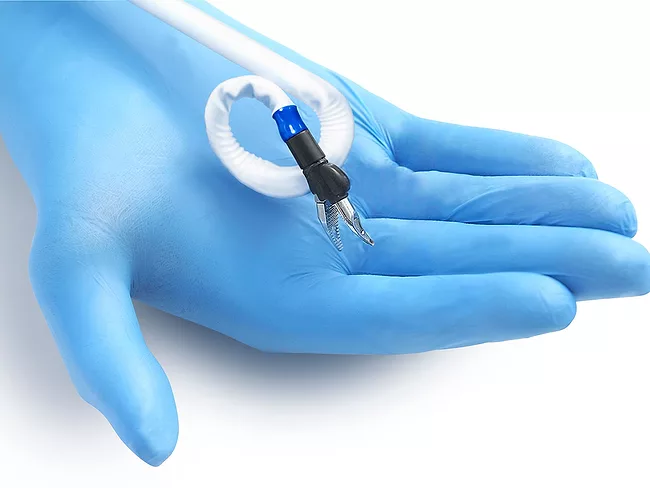
The U.S. FDA granted Momentis Surgical Ltd. 510(k) clearance for its Anovo robotic surgical platform for use in single site, abdominal access ventral hernia repairs. The U.S. regulatory agency also gave the greenlight to CMR Surgical Ltd.’s Versius system for use in cholecystectomy, in a sign of the growing market for smaller, more portable robotic devices to assist in minimally invasive procedures.
China’s National Medical Products Administration wrapped up a revision of its device classification procedures, providing entries into one of the world’s largest markets a mechanism for obtaining means for determining the risk of a novel device type.
The U.S. FDA is accused of dragging its feet on making public the devices for which it granted market access under the de novo program, and the agency recently been scrambling to bring these decision summaries to light.
The COVID-19 pandemic drove a large volume of in vitro diagnostic test efforts toward the SARS-CoV-2 virus, such as the Biofire respiratory panel by Biofire Diagnostics LLC, of Salt Lake City, a test for which the U.S. FDA released the special controls.
The U.S. FDA granted Renalytix plc de novo marketing authorization for its prognostic test for chronic kidney disease (CKD). Kidneyintelx is an artificial intelligence-enabled prognostic testing platform to guide treatment decisions for adults with type 2 diabetes and diabetes-related early stage chronic kidney disease.
Neuromod Devices Ltd. will use the €30 million (US$ 32.78 million) financing it recently raised to launch its tinnitus treatment device, Lenire, in the U.S. where there are an estimated 50 million Americans suffering from tinnitus, CEO, Ross O’Neill, told BioWorld. “To get this financing closed is very exciting as we go into the U.S. market which is the biggest hearing market in the world,” he added.
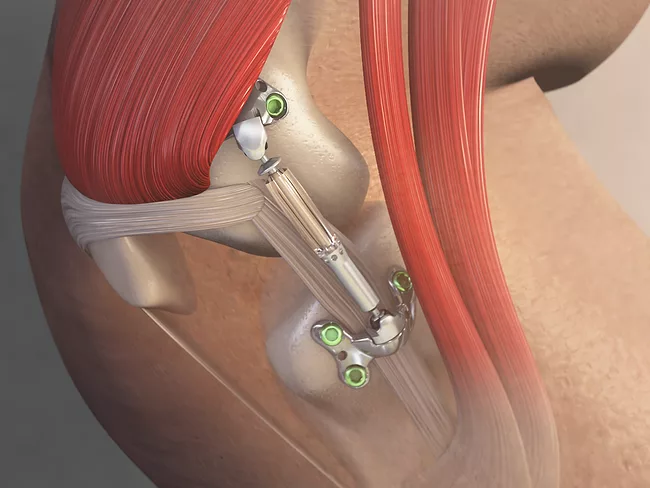
The U.S. FDA has granted de novo authorization to Moximed Inc. for its Misha knee system, a first-of-its-kind implantable shock absorber for people suffering from osteoarthritis (OA) of the knee. The device is intended to relieve pain and improve daily function in patients ineligible for, or not ready to undergo, joint replacement.
In December 2013, the U.S. FDA held an advisory hearing on spinal spheres used in intervertebral fusion procedures, a hearing that generated a recommendation that the agency classify these devices as class III devices. The agency finally followed through on that recommendation with a final rule that requires a PMA filing for these devices, concluding a process that took much longer than the typical rulemaking.
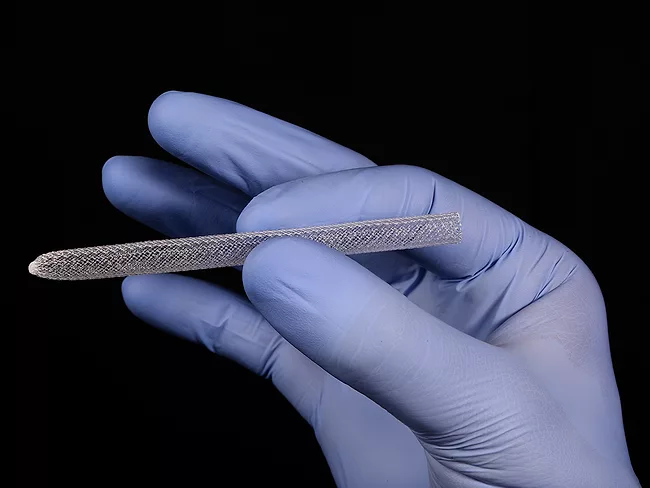
Woven Orthopedic Technologies LLC, received U.S. FDA 510(k) clearance for its Ogmend implant enhancement system for use in spine surgery. Ogmend is expected to give surgeons more confidence in using surgical screws when operating in compromised fixation scenarios.