This year, European med-tech companies continue to navigate an uncertain macro environment created by the reciprocal tariffs on goods entering the U.S., their primary market. Some companies though are adapting supply chains and manufacturing strategies, while others are looking to diversify into other regions. Their technologies after all, address clinical needs, so the sector continues to innovate, conduct trials, present data, raise funds, and deliver products which improve patients’ lives.
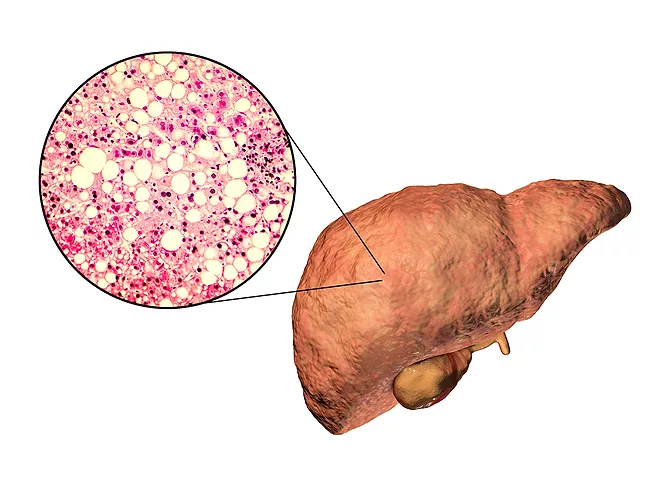
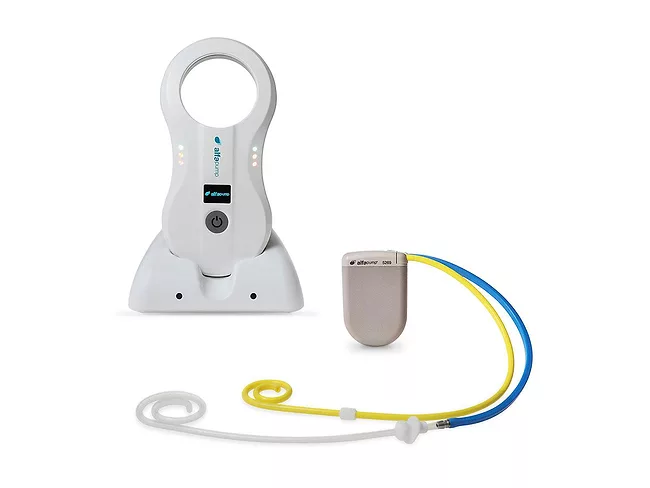
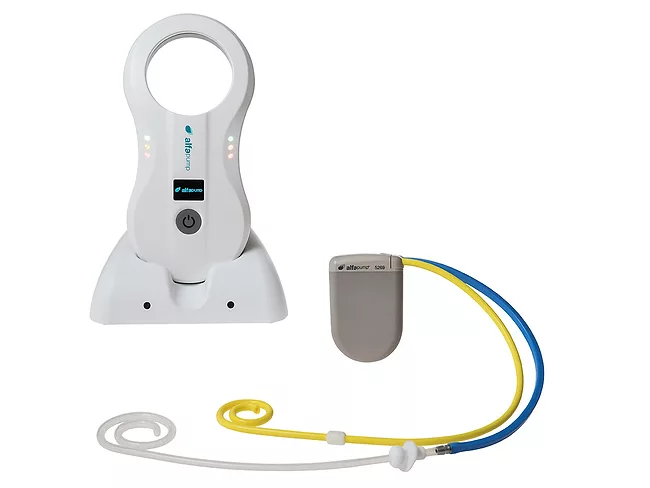
Sequana Medical NV received premarket approval from the U.S. FDA for its Alfapump system to treat recurrent or refractory ascites due to liver cirrhosis. Data from the Poseidon pivotal study showed the implantable device, which removes ascites from the abdomen into the bladder, can eliminate the need for therapeutic paracentesis, improving the quality of life of patients.
Integra Lifesciences Holdings Corp. will not launch any new product in the EU before the U.S. because of the challenging requirements under the new Medical Device Regulation, Stuart Hart, chief medical officer at the Princeton, New Jersey-based company, told delegates at the LSX conference in London.
Boehringer Ingelheim GmbH partnered with Newcastle University and the University of Edinburgh to fund a £30 million (US$38 million) study into liver cirrhosis in a bid to provide scientists with new insights into liver health. The partners hope that the study will not only enhance the understanding of nonalcoholic or metabolic dysfunction-associated steatohepatitis (NASH/MASH) cirrhosis, but also help identify translational biomarkers using a cutting-edge approach called single-cell RNA sequencing to accelerate the development of future therapies.
Sequana Medical NV has reported additional data on safety, survival and quality of life from its POSEIDON pivotal study in North America, evaluating its Alfapump device used in the treatment of patients with recurrent or refractory ascites caused by liver cirrhosis. The data were recently presented at the European Association for the Study of the Liver 2023 congress in Vienna.
Sequana Medical NV is considering listing in the U.S. as it builds towards the commercialization of its Alfapump, CEO Ian Crosbie told BioWorld in an interview. The company has received a U.S. FDA breakthrough device designation for Alfapump, which treats recurrent or refractory ascites due to liver cirrhosis, and it completed a pivotal study in 2022. The company intends to file the data with the FDA by the end of this year, with the hope of getting premarket approval before the end of 2024.
Sequana Medical NV has completed GLP animal studies, demonstrating the safety of its second-generation DSR (direct sodium removal) product (DSR 2.0) for congestive heart failure, following chronic exposure.
Sequana Medical NV reported positive results from the second interim analysis of its POSEIDON pivotal study evaluating the Alfapump for the treatment of recurrent or refractory ascites due to liver cirrhosis. These latest results, from 26 patients in the roll-in cohort, affirm earlier interim data showing high scores on all primary endpoints and continued improvement in quality of life.
Sequana Medical NV scored a U.S. FDA breakthrough device designation last year for its fully implanted wireless device that automatically pumps fluids from the abdomen into the bladder. Now, it has released positive interim safety and efficacy data on that device, known as Alfapump, in the treatment of patients with recurrent or refractory ascites due to liver cirrhosis.
LONDON – Sequana Medical NV has raised €19 million (US$21 million) in a private placing to fund continuation of the U.S. pivotal trial of its Alfapump in treating ascites due to cirrhosis of the liver and a European trial of the device in heart failure patients who have stopped responding to diuretics.