Trimtech Therapeutics closed a £25 million (US$31 million) oversubscribed seed funding round to advance its targeted protein degradation treatments for neurodegenerative and inflammatory diseases.
Trimtech Therapeutics closed a £25 million (US$31 million) oversubscribed seed funding round to advance its targeted protein degradation treatments for neurodegenerative and inflammatory diseases.
Researchers from the UK Dementia Research Institute at the University of Cambridge have found how to prevent and reverse tau aggregation using target-specific nanobodies. The team holds great expertise in the role of TRIM21 in the tau environment since William McEwan, senior author of the study, first discovered TRIM21 and, a bit later, defined its contribution to tau immunotherapy efficacy.
Researchers from the Wellcome Sanger Institute, and their collaborators at The Institute of Cancer Research, London and the University of Cambridge assessed the health impact of all possible genetic changes in the tumor protection gene, BRCA1-associated protein 1 gene.
Lift Biosciences Ltd. has been awarded a grant of over £1 million (US$1.3 million) from Innovate UK that will fund a collaboration between Lift and researchers at the University of Cambridge.
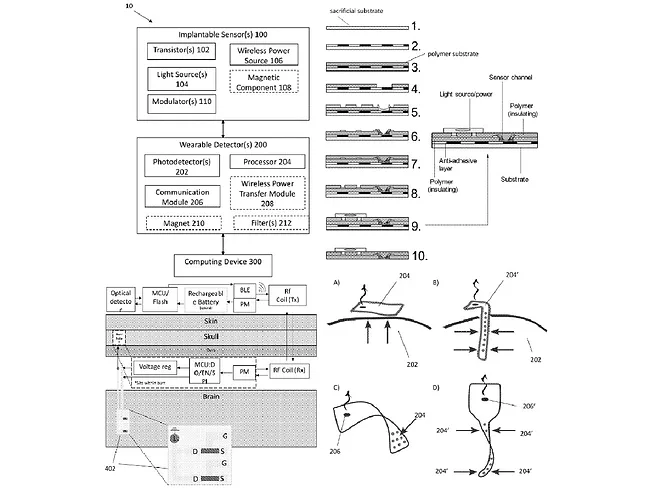
In its first patenting, Cambridge, U.K.-based Opto Biosystems Ltd. is seeking protection for implantable sensors that may be used in systems to measure chemical, biological, or electrical signals in the central and/or peripheral nervous systems.
The term cerebral small vessel disease (SVD) refers to the sum of all pathological processes affecting the small vessels of the brain. Although SVD has been recognized as a leading cause of age-related cognitive decline, its underlying mechanisms remain unknown. Moreover, therapeutic options for SVD patients are still limited, primarily because relevant disease models that can guide target identification and drug discovery are lacking.
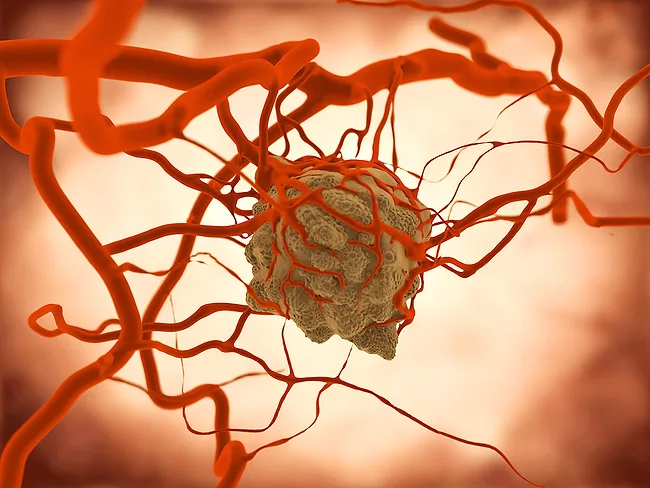
Why cancer? The mechanisms that drive and maintain tumorigenesis are still a mystery. This is a play with different actors who have different roles in several contexts. One of these scenarios is represented by genetic and epigenetic conditions that determine the early trajectories of cancer cells. In addition, different mechanisms will control phenotypes and states that can take one or another direction toward cancer.
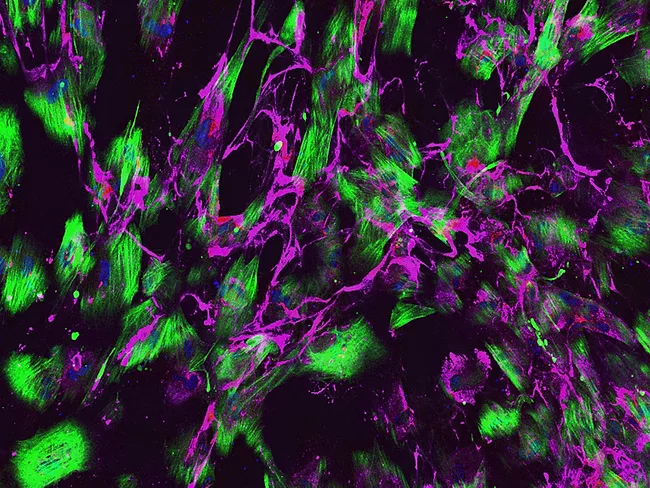
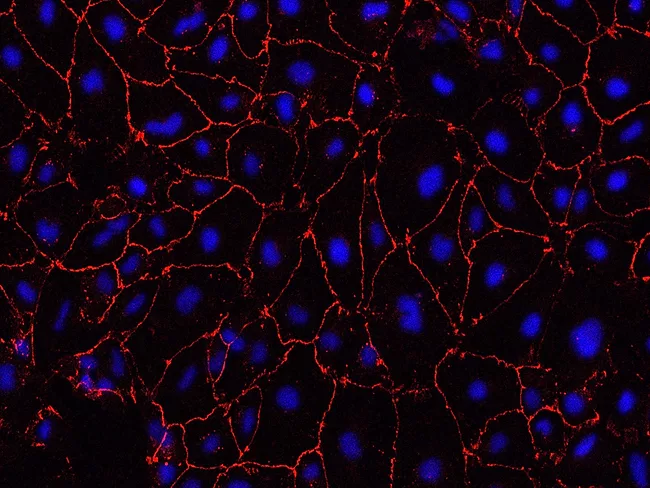
The generation of in vitro small blood vessels mimicking the alterations of cerebral small vessel disease (CSVD) allowed a British research group to identify a way to seal leaks to treat conditions such as stroke or vascular dementia. The inhibition of matrix metalloproteinases (MMPs), enzymes that participate in the formation of new vessels, restored the normal union of the cells, preventing the permeability of the system.
Viruses of the Betacoronavirus genus that bind to angiotensin-converting enzyme 2 (ACE2) are the coronaviruses posing the most significant pandemic risk. Sarbecoviruses of this genus caused the severe acute respiratory syndrome (SARS) epidemic and the SARS-CoV-2 pandemic. Therefore, new vaccines with broader protection from ACE2-binding sarbecoviruses and emerging variants of concern are urgently needed.