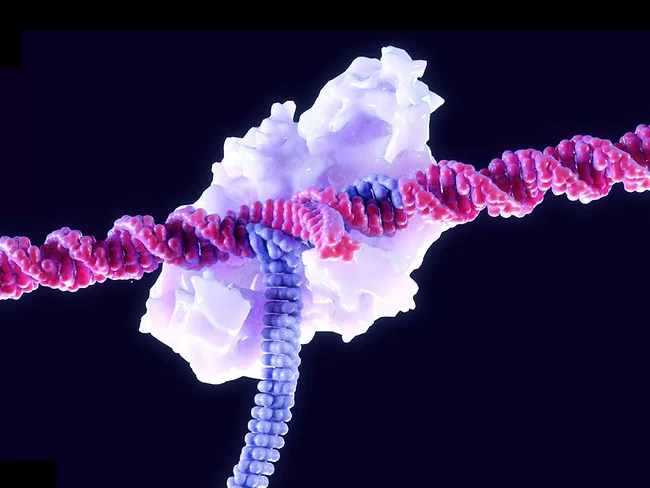
The rapid migration of gene editing technologies from the bench to the clinic has opened up new therapeutic possibilities for patients with previously intractable genetic diseases and difficult-to-treat cancers. But mobilizing gene editing components into a target cell or organ remains a critical step for the field. Integra Therapeutics SL, an early stage Spanish firm, is now engaged in that process with a novel gene writing platform.
With CRISPR-Cas9 technology making its way toward clinical practice, laboratories are studying different gene-editing techniques, from base editors to prime editors, to correct mutations associated with various pathologies. Researchers at Tessera Therapeutics Inc. have been inspired by retrotransposons to develop a tool for editing DNA using RNA and reverse diseases such as phenylketonuria (PKU) or sickle cell disease (SCD).
Tessera Therapeutics Inc., a Cambridge, Mass.-based company working to "write therapeutic instructions into the genome," has raised $230 million in series B financing to back its development of potential cures and treatments for cardiovascular, oncological, neurodegenerative and infectious diseases.
In case you haven't heard, Tessera Therapeutics Inc. is working on techniques to write genes into the genome of patients. Tessera, which was developed in Flagship Pioneering Inc.'s Flagship Labs and became a stand-alone incorporated company two years ago, recently came out of stealth mode to highlight its Gene Writing platform based on mobile genetic elements, such as transposons and retrotransposons.