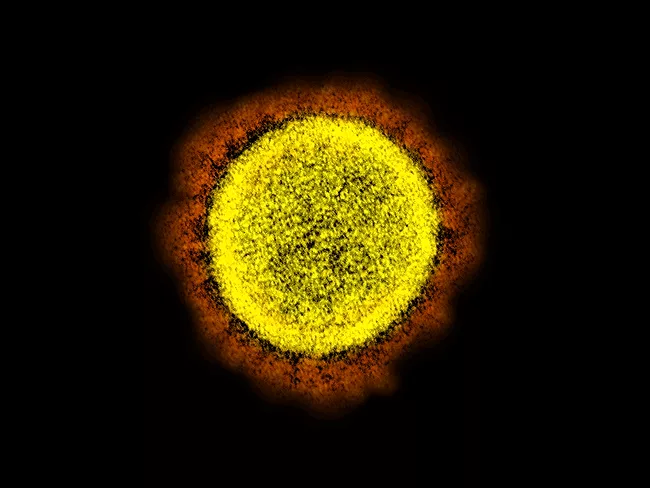
SARS-CoV-2 utilizes the angiotensin-converting enzyme 2 (ACE2) receptor for cell entry and triggers ACE2 ectodomain shedding, which results in elevated vasoconstrictor angiotensin II (Ang-II) while depleting the protective Ang-(1-7). This effect can lead to acute respiratory distress syndrome, hypertension, acute kidney injury and organ damage.
Prognosis is extremely poor for patients with head and neck squamous cell carcinoma (HNSCC), which accounts for around 90% of all head and neck cancer. Especially in the more aggressive subtype of HNSCC that is not associated with human papilloma virus infection, the natural killer cells that could fight HNSCC tumors are inhibited within the tumor microenvironment, in part because of the hypoxic conditions.
Lung cancer is the most frequent cause of cancer-related death in both men and women worldwide. Current treatments can fail because of variable responses in different types of patients, drug resistance, poor tumor penetration and systemic toxicity, prompting the continuing search for better therapeutics.
Bispecific antibodies mimicking coagulation factor VIIIa (FVIIIa) have yielded successful results in the treatment of hemophilia A, but there remain some issues in regard to their production.
Researchers from Kexing Biopharm Co. Ltd. have published details on the development and preclinical characterization of GB18-06, a novel nanobody, also known as variable domain of heavy-chain antibody (VHH), targeting growth differentiation factor 15 (GDF15) and being developed for the treatment of cachexia.
Researchers from CONICET and affiliated organizations presented the discovery of novel llama-derived single-chain antibody fragments (VHHs) specific for type A influenza virus.
In a study published in Antiviral Research, researchers from the Max Planck Institute for Multidisciplinary Sciences and collaborators have presented optimized nanobodies targeting the receptor binding domain (RBD) of the SARS-CoV-2 spike protein.