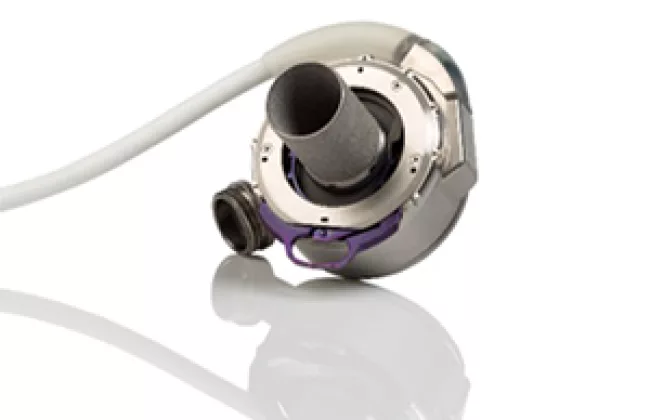
The U.S. FDA posted notice of a recall of the system monitor for the Heartmate left ventricular assist device by Abbott Laboratories, an action necessitated by reports of a series of malfunctions that may lead to inadvertent operator error.
Researchers from the University of South Florida developed a novel ventricular assist device that is placed directly inside a failing ventricular cavity to help it pump blood correctly again. This device consists of a self-expanding stent that contains a sac and inlet/outlet ports that allow compression fluids to generate contractile forces that pump the blood out.
The long-term use of ventricular assist devices is becoming a problem for at least some of these devices, as demonstrated by the recall of the Heartmate II and Heartmate 3 devices by Abbott Laboratories’ Abbott Vascular division due to obstruction of the outflow graft used to attach the device to the human heart.
Magassist Co. Ltd. has been granted a breakthrough device designation by the U.S. FDA for its interventional ventricular assist device (VAD), which is expected to accelerate the development and approval of the product.
Taking a step forward in an increasingly crowded market that has long been dominated by non-Chinese players, Magassist Co. Ltd. got positive clinical results from its extracorporeal membrane oxygenation (ECMO) system Breathmo to provide support for patients with serious heart failure or lung failure, with a study showing that the system can provide pulmonary and cardiac support effectively and safely.
Integra Lifesciences Holdings Corp., of Plainsboro, N.J., said in its latest 8K filing that it has decided to voluntarily remove all the company’s Cerelink systems – which are indicated for intracranial pressure monitoring – due to customer reports that these monitors were returning inaccurate pressure readings.
Medtronic plc is ceasing global sales and distribution of its Heartware ventricular assist device (HVAD) due to safety concerns. The news sent Medtronic shares down about 1% in early morning trading. The Dublin-based company said it made the decision to stop selling the HVAD left ventricular assist device after clinical comparisons found a higher frequency of neurological adverse events, including stroke and mortality, with its heart pump device vs. other circulatory support systems.
In a single draft coverage memo, the U.S. Centers for Medicare and Medicaid Services (CMS) proposed to eliminate national coverage for artificial hearts and to provide coverage of ventricular assist devices (VADs) coverage for those in need of short-term ventricular support. Coverage of artificial hearts would thus revert to Medicare administrative contractors, while the change in VAD coverage would resolve a long-running dispute between cardiologists and the agency.