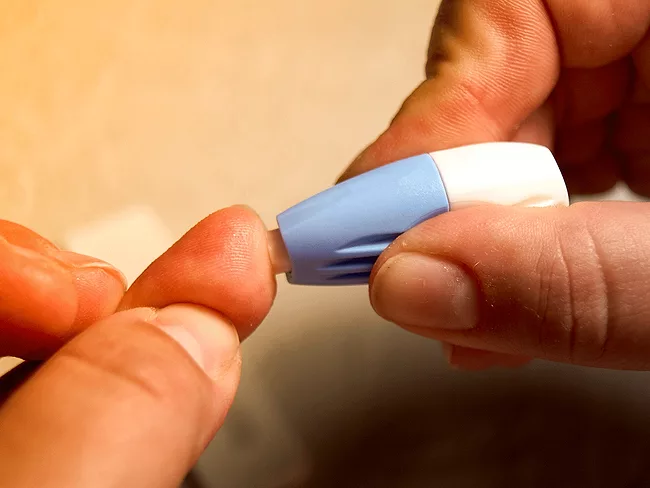
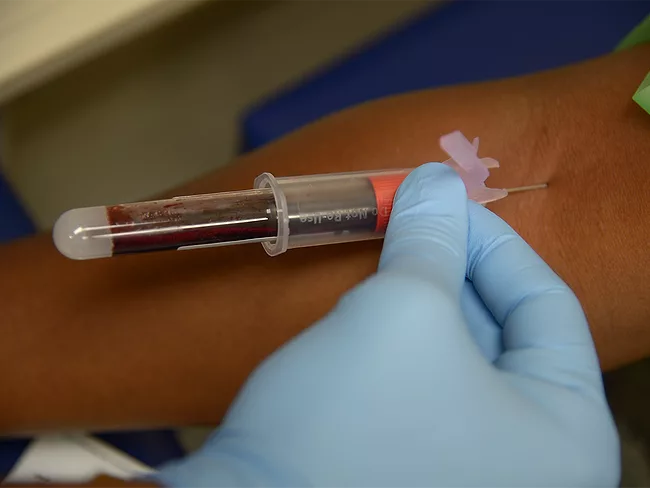
A team of international researchers is investigating whether a finger-prick blood test could be used to help diagnose Alzheimer’s disease before symptoms appear. With current diagnostic methods relying on expensive brain scans and invasive lumbar punctures, the trial is exploring whether the simple test could offer a faster, cheaper, and more accessible route to identifying the disease.
Exact Sciences Corp. reported performance data for its blood-based colorectal cancer screening test that showed sensitivities of 88.3% for CRC and 31.2% for advanced precancerous lesions at specificity of 90.1% for negative samples confirmed by colonoscopy.
In the first patenting to have been published in the name of Lo Biosciences Inc., the company’s co-founder and CEO Sasank Vemulapati seeks further protection for their development of a device and method that helps eliminate time, distance, and cost as barriers between patients and their next blood test, by allowing patients to collect laboratory quality blood samples at home without the assistance of any health care professionals.
Omini SA hopes that the multiplexed blood testing platform it is developing will transform the lives of patients suffering from heart failure. With its multiplex, sensor-based testing strip that simultaneously measures four key biomarkers from a single drop of blood, the company’s technology should increase the chance of a patient’s survival and reduce pressure on health care systems, Joanne Kanaan, CEO and co-founder of Omini, told BioWorld.
Babson Diagnostics Inc. has line of sight for the commercial launch of its Betterway blood testing ecosystem, which is a less invasive way of taking blood and requires only one-tenth of the sample volume of venipuncture without sacrificing quality or accuracy. The company said that once the collection device developed in partnership with Becton Dickinson & Co. (BD) is cleared by the U.S. FDA, Betterway will be launched in Texas, where it already has established partnerships with retailers and where its commercial lab is up and running. In addition, Babson has fully validated a broad set of miniaturized assays that are ready for commercial processing in its CLIA-certified, CAP accredited laboratory.
An estimated 10% to 20% of adolescents worldwide struggle with mental health issues. According to the CDC’s most recent Youth Risk Behavior Survey, nearly 60% of teen girls in the U.S. reported feeling sad every day for at least two weeks in the previous year and 22% of high school students considered taking their own lives. Yet despite these trends, the majority of mental health conditions in young people go undiagnosed and untreated.
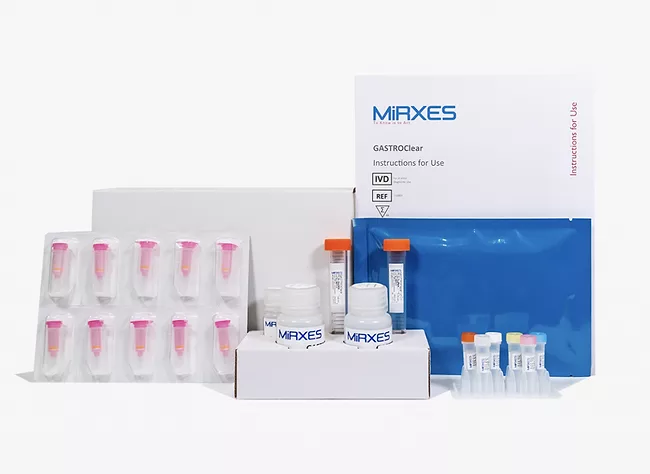
Mirxes Holding Company Ltd. raised $50 million in a series D funding round to expand its cancer early detection blood tests, including its lead product stomach cancer blood test Gastroclear, in the Asia Pacific region. Mirxes uses RNA technology to develop diagnostic solutions for the early detection of diseases.
News from Truvian Health Inc. that its benchtop blood testing platform can deliver results similar to those generated by central laboratory is promising for the diagnostic sector still coming to terms with fraudulent claims from companies such as Theranos Inc. and Arrayit Corp. that their various technologies were able to run an array of tests with just a few drops of blood.
The U.S. FDA has granted Datar Cancer Genetics Inc. a breakthrough device designation for Trinetra-Glio, a blood test to help in the diagnosis of brain tumors.
As doctors and public health officials brace for a possible fall coronavirus surge, one of the challenges continues to be predicting who will have a mild, moderate or severe case of COVID-19.