In an effort to drive down out-of-pocket costs for Americans, the U.S. FTC is resolving an antitrust case through a proposed second settlement with a large pharmacy benefit manager (PBM) and its affiliates.
Now that the FDA is on board with doing away with the U.S.’ unique two-tier biosimilar pathway, the biosimilar industry is urging Congress to pass the bipartisan Biosimilar Red Tape Elimination Act, which would recognize that biosimilars and interchangeables are one and the same.
In a one-two-punch to pharmacy benefit managers (PBMs), the U.S. FTC announced Feb. 4 what it’s calling a “landmark settlement” with the Cigna Group’s Express Scripts Inc. and its affiliates that will require fundamental changes to the company’s business practices.
The good news is that the U.S. Congress is on track to pass a slate of fiscal 2026 spending bills before the current continuing resolution expires Jan. 30. So, barring any last-minute disputes or legislative hostage-taking, there should be no repeat of last year’s 43-day shutdown that impacted NIH grants and activities.
Once again, U.S. legislative reforms to rein in pharmacy benefit manager (PBM) business practices missed a ride to finally becoming law. This time, they were kicked out of the Trump administration’s budget reconciliation bill that was signed into law July 4. House Resolution 1, as first passed in the lower chamber, included a few PBM reforms, but they were deleted from the Senate version that ultimately became law because the parliamentarian ruled they didn’t meet the restrictions placed on reconciliation measures.
In a continuing déjà vu, the Senate Judiciary Committee held yet another hearing May 13 on pharmacy benefit managers (PBMs), focusing on a lack of transparency.
Korean pharmaceutical stocks rose across the board May 13, a day after U.S. President Donald Trump signed off on the most favored nation executive order, a drug pricing policy expected to benefit biosimilar makers in the U.S., according to Celltrion Inc.
Tired of waiting for the U.S. Congress to get around to making meaningful reforms to pharmacy benefit manager (PBM) practices, states are beginning to take the matter into their own hands. Arkansas recently became the first state to pass a law stopping PBMs, their affiliates or their parent companies from acting as a "fox guarding the henhouse" by being both a price setter and price taker, as the legislation puts it.
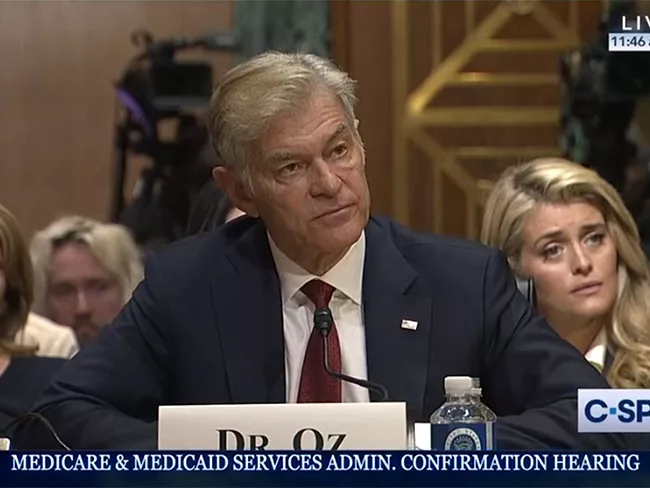
Cardiothoracic surgeon and television personality Mehmet Oz, President Donald Trump’s nominee for administrator of the Centers for Medicare & Medicaid Services (CMS), faced the U.S. Senate’s finance committee on March 14, suggesting the implementation of artificial intelligence (AI) technologies and the reduction of drug prices would be among his top priorities, if confirmed.
The congressional finger-pointing at pharmacy benefit managers (PBMs) continues. The latest singling out is in a bipartisan letter from four House members calling on the U.S. Department of Justice to investigate and hold PBMs accountable for the role they played in the nationwide opioid crisis.