Phenylketonuria (PKU) is an autosomal recessive disorder that results in decreased metabolism of the amino acid phenylalanine. Untreated PKU can lead to intellectual disability, seizures, behavioral problems and mental disorders. This metabolic disease is caused by mutations in the phenylalanine hydroxylase (PAH) gene, resulting in patients’ inability to convert phenylalanine.
Pseudoxanthoma elasticum (PXE) is an autosomal recessive connective tissue disorder caused by pathogenic variants in ATP-binding cassette subfamily C, member 6 (ABCC6). ABCC6 typically exports ATP, which is then converted by ENPP1 into AMP and pyrophosphate (PPi). Because PPi is a potent inhibitor of calcification, reduced systemic PPi production is a key driver of PXE. University of Pennsylvania investigators and collaborators proposed applying liver-targeted variant correction via genome editing as a single-intervention therapeutic approach for PXE, leading to subsequent restoration of systemic PPi.
Sickle cell disease (SCD) is a genetic disorder caused by a single point mutation in the β-globin gene, leading to the production of abnormal hemoglobin. Patients with SCD lacking a compatible donor for allogeneic hematopoietic stem/progenitor cell transplantation can benefit from gene therapy approaches.
With plenty of GLP-1 money to spend, Eli Lilly and Co. is buying Verve Therapeutics Inc. and its gene-editing program for about $1.3 billion. Two of Verve’s one-time treatments are in the clinic. Lead candidate VERVE-102, a gene-editing treatment targeting PCSK9, is in a phase Ib study to reduce cholesterol levels.
Since the development of the base and prime editing technique by David Liu at the Broad Institute, their applications in biomedicine have continued to grow, reaching 17 clinical trials for base editing and one clinical assay for prime editing. The 28th Annual Meeting of the American Society of Gene & Cell Therapy (ASGCT) marked a historic milestone this year by presenting the first case of treatment with base editors of a baby with a deadly metabolic disease.
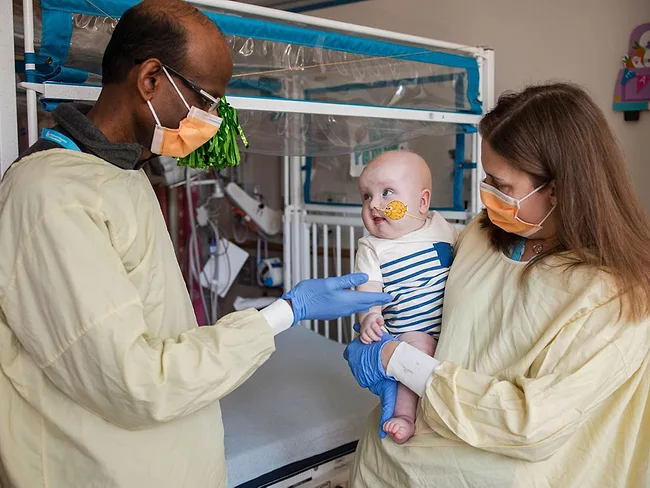
Using a customized gene editing therapy, researchers at the Children’s Hospital of Philadelphia have reported success in treating an infant with a severe metabolic disorder. Kiran Musunuru, Barry J. Gertz Professor for Translational Research in the University of Pennsylvania’s Perelman School of Medicine, presented the case at the American Society of Gene and Cell Therapy’s 2025 annual meeting. The case study was simultaneously published in The New England Journal of Medicine.
Using a customized gene editing therapy, researchers at the Children’s Hospital of Philadelphia have reported success in treating an infant with a severe metabolic disorder. Kiran Musunuru, Barry J. Gertz Professor for Translational Research in the University of Pennsylvania’s Perelman School of Medicine, presented the case at the American Society of Gene and Cell Therapy’s 2025 annual meeting. The case study was simultaneously published in The New England Journal of Medicine.
Positive early stage data for Verve Therapeutics Inc.’s base editing therapy points to a range of development options, including bringing partner Eli Lilly and Co. in a little closer. The new data helped ease the company’s pain from the April 2 enrollment pause of a similarly designed therapy from Verve. Verve’s Heart-2 phase Ib of VERVE-102 in treating 14 patients with heterozygous familial hypercholesterolemia and/or premature coronary artery disease showed one infusion led to dose-dependent decreases in blood PCSK9 protein levels and low density lipoprotein cholesterol.
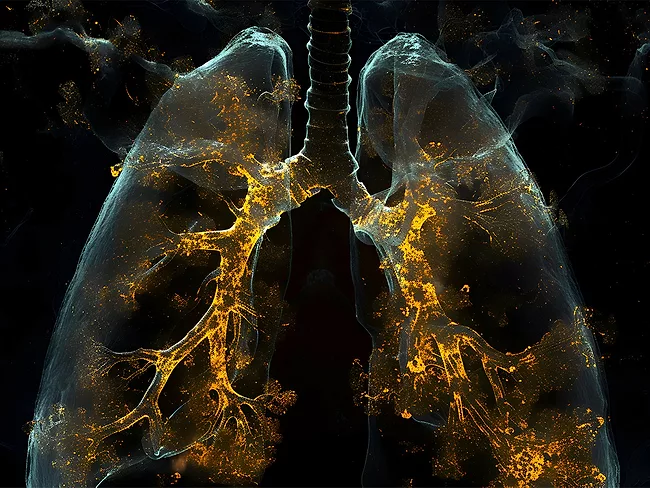
Cystic fibrosis (CF) is a life-threatening autosomal recessive disease affecting over 160,000 people worldwide. CF is caused by loss-of-function mutations in the CF transmembrane conductance regulator (CFTR) that mediates Cl and HCO3 anion transport.
Some rare skin diseases not only reduce the quality of life of patients, but also can be devastating conditions, leading to amputations or death. At the 31st annual congress of the European Society of Gene and Cell Therapy (ESGCT), held last week in Rome, different laboratories showcased their approaches to editing mutations related to this group of diseases.