New data on pulsed field ablation (PFA) presented at Heart Rhythm 2026 in Chicago over the weekend continue to show the benefits and superiority of the technologies in treating patients with atrial fibrillation. The PFA landscape is fast-evolving and med-tech players are jostling for market share with ever-differentiated platforms looking to attract electrophysiologists.
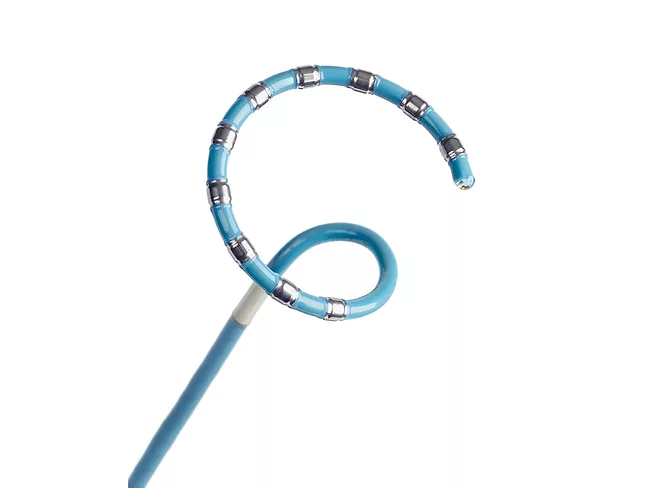
Johnson & Johnson launched its latest pulsed field ablation (PFA) catheter, Varipulse Pro, in Europe following CE mark approval, bringing another option to electrophysiologists looking to adopt PFA technology. The system features a new pulse sequence with a lower temperature profile and enables ablation that is five times faster than the previous sequence, while achieving equivalent lesions. It represents another significant development in the rapidly evolving PFA market that has transformed cardiac ablation treatment.
Medtronic plc this week reported that the first commercial surgical cases using its Hugo robotic-assisted surgery system have been completed in the U.S. Hugo is expected to be a key growth driver for the company, especially with opportunities in the underpenetrated U.S. soft tissue surgical robotics market. The company also posted third-quarter fiscal year 2026 organic revenues of $9.02 billion, up 6% year‑on‑year.
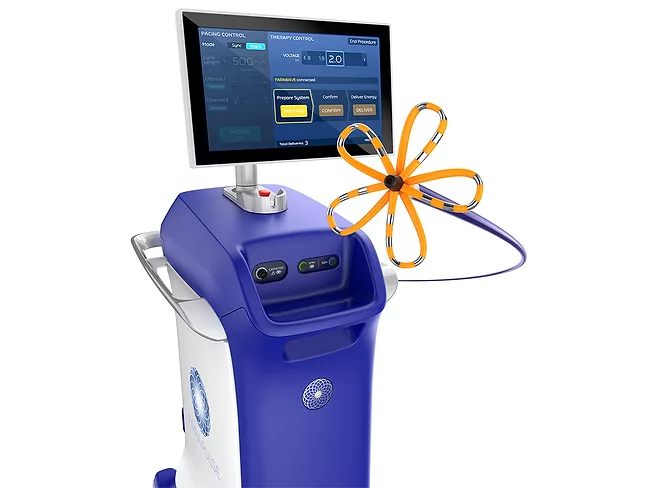
Boston Scientific Corp. recently reported new four-year data on its Farapulse pulsed field ablation platform, which demonstrated that patients with paroxysmal atrial fibrillation achieved better long-term success than those treated with thermal ablation. The data come as sales of the Farapulse system in the U.S. have begun to slow amid rising competition from other PFA technologies, particularly Medtronic plc’s Affera platform.
Abbott Laboratories reported fourth quarter sales below expectations before the market opened on Jan. 22, sending the stock down nearly 12% from the prior day's closing. The biggest hits came from contraction in the nutrition group along with continued disruption in the diagnostics unit from volume-based procurement in China. Medical devices suffered from market share loss in electrophysiology and slower than expected uptake of continuous glucose monitors. The pharma group performed as anticipated, posting 7% growth.
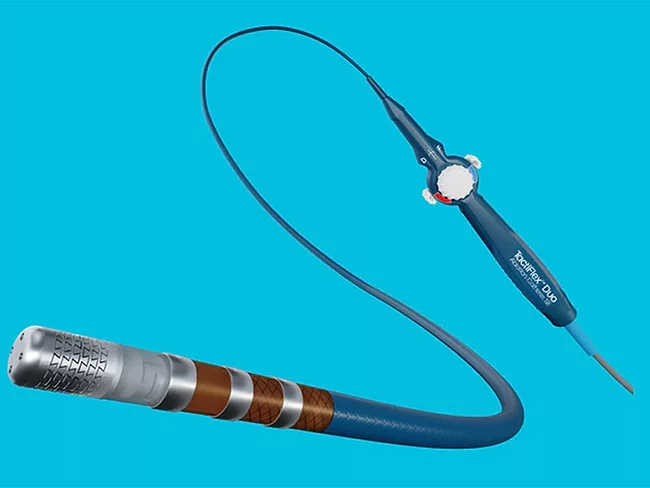
Abbott Laboratories received CE mark in Europe for the Tactiflex Duo ablation catheter to treat patients with atrial fibrillation. The first commercial cases using Tactiflex Duo, a dual energy device, were completed in the EU this week.
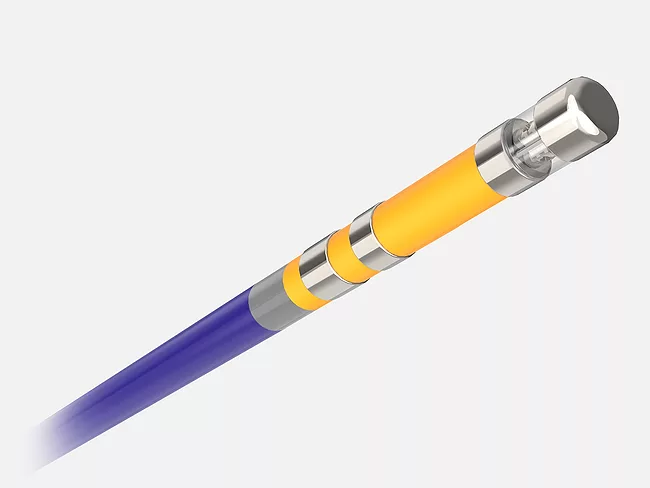
Two years after the U.S. FDA approved the first pulsed field ablation system, Abbott Laboratories finally got the regulatory nod for its Volt PFA system. Abbott follows Medtronic plc, Boston Scientific Corp., Johnson & Johnson and Kardium Inc. in receiving approval for its approval for use of its PFA device to treat atrial fibrillation.
Proving its latest addition to the Farapulse pulsed field ablation (PFA) platform is no turkey, Boston Scientific Corp.'s Farapoint PFA catheter received CE mark as the U.S. celebrated Thanksgiving. Farapoint is indicated for ablation of the cavotricuspid isthmus, specifically to treat right atrial flutter.
Vektor Medical Inc. recently secured CE mark for Vmap, its AI-powered electrocardiogram mapping system, marking a “major milestone” for the company, said CEO Rob Krummen. The regulatory approval from the EU authorities confirms that Vmap meets the stringent safety and performance requirements of the EU Medical Device Regulation, opening the door for clinical use in Europe, he told BioWorld.
Boston Scientific Corp. continues to prove out its strategy of active acquisitions combined with industry-leading organic growth with the closing of its $88 million acquisition of Elutia Inc.’s Bioenvelope business and very positive targets for growth presented during its investor day on Sept. 30.