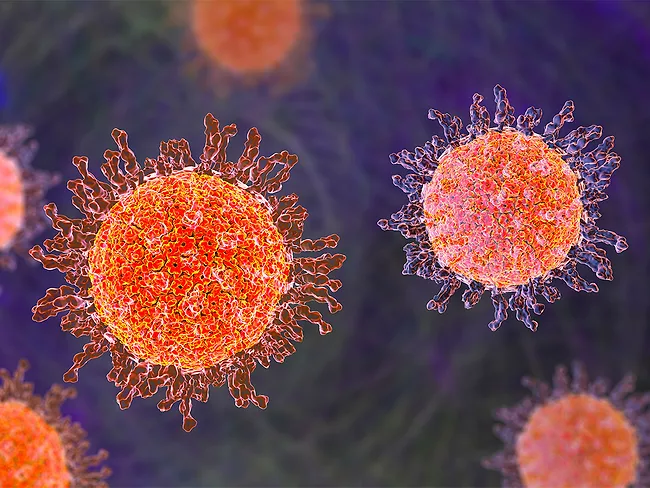
Boyuan Pharmaceutical (Suzhou) Co. Ltd. has disclosed new herpes simplex virus (HSV) inhibitors potentially useful for the treatment of HSV infection and dementia.
In an all-cash transaction valued at €780 million (US$920 million), Asahi Kasei Corp. offered to buy Aicuris Anti-infective Cures AG, expanding its infectious disease portfolio with a marketed cytomegalovirus product and a herpes treatment nearing an NDA.
In an all-cash transaction valued at €780 million (US$920 million), Asahi Kasei Corp. offered to buy Aicuris Anti-infective Cures AG, expanding its infectious disease portfolio with a marketed cytomegalovirus product and a herpes treatment nearing an NDA.
Current treatments for herpes simplex virus 1 (HSV-1) mainly target the viral DNA polymerase, but resistance is becoming an increasing problem. By understanding how HSV-1 initiates replication, scientists hope to find new ways to intervene before this stage, which could potentially contribute to avoid resistance.
In a recent study published in Cell Reports, a team of scientists from Gilead Sciences Inc. and the University of Cincinnati detail the discovery and engineering of potent bispecific antibodies that can significantly reduce lesion development in a guinea pig model of recurrent genital herpes.
Gilead Sciences Inc. has synthesized indoline compounds acting as DNA helicase-primase complex (human herpes simplex virus) and viral replication inhibitors reported to be useful for the treatment of herpes virus infection.
Varicella-zoster virus (VZV) causes chickenpox and shingles, while herpes simplex virus (HSV) is responsible for oral and genital herpes. Although current treatments mainly focus on inhibiting viral replication, there is a critical need for new therapies to address the limitations and side effects associated with existing treatments.