Focal segmental glomerulosclerosis (FSGS) is a kidney disease that leads to renal failure, and it affects individuals from different ancestries, the highest prevalence being among African and African American populations. DNA samples from 726 patients with FSGS were obtained and DNA sequencing was performed in the search of mutations tied to FSGS compared to a large pool of control populations.
Mosaic variegated aneuploidy syndrome (MVAS) is an autosomal recessive disorder characterized by mosaic aneuploidy. Its clinical manifestations include growth and developmental delay, congenital malformations and increased cancer risk. Genetic variants involved in MVAS affect the chromosomal segregation during mitosis, where individuals often show mosaicism and chromosomal instability.
Alternative splicing is known to play an important role in tissue development. Scientists at Brigham and Women’s Hospital have looked into the association between a chronic obstructive pulmonary disease (COPD) genetic variant and cell-specific splicing of putative ciliary rootlet coiled-coil protein-like 1 protein (CROCCP2).
Acute respiratory distress syndrome (ARDS) is a multifactorial disease, the pathogenesis of which involves environmental exposure and genetic predisposition.
Amyotrophic lateral sclerosis (ALS) is a devastating neurodegenerative disease for which there is a 10% rate of familial cases, with the rest being sporadic cases. Both genetic and environmental factors contribute to the etiology of ALS, and more than 120 genes have been reported to be tied to the disease, but few with strong association. Thus, identifying additional genes contributing to ALS will help shed light on the disease and its related therapies.
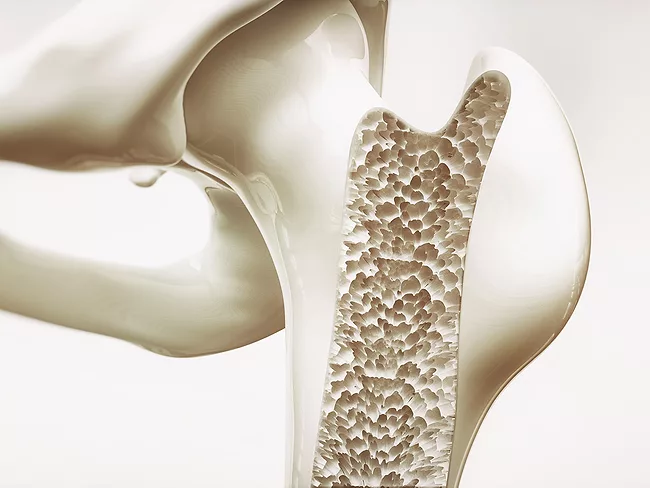
Genome sequencing has identified several single-nucleotide polymorphisms (SNPs) tied to osteoporosis, but most of them are located in noncoding regions. Investigators identified a SNP which impacted the YY2-PAPSS2 axis and risk of osteoporosis; the PAPSS2 gene encodes bifunctional 3’-phosphoadenosine 5’-phosphosulfate synthase 2.
Bleeding of unknown cause (BUC) is a diagnosis of exclusion, and it is common for these patients to have congenital platelet function disorders. Whole-exome sequencing may help reach a more accurate diagnosis in these cases.
Japanese researchers have presented data from the biggest Asian genome-wide association study (GWAS) regarding susceptibility loci for systemic sclerosis (SSc), comprising a total of 1,428 cases and 112,599 controls and with an imputation reference panel containing more than 3,000 Japanese whole-genome sequencing data.
The most in-depth study to date of the genetic risk factors for long COVID has identified 73 genes that are highly associated with severe or fatigue-dominant forms of the disease. Many of these genes also are known to be associated with other disorders, including myalgic encephalomyelitis/chronic fatigue syndrome (ME/CFS) and neurodegenerative, autoimmune, cardiovascular and metabolic diseases.