Investment in the fourth quarter of 2022 was dismal in Asia Pacific, as the global venture community focused on preserving capital. And the region faced other challenges throughout the year, as leaders in Australia and across Asia became acutely aware of the vulnerabilities in their supply chains. But the year also saw some big deals and collaborations involving companies across Asia Pacific, along with advances in regenerative and digital medicine.
The CMS had floated a coverage concept for devices routed through the U.S. FDA breakthrough devices program shortly before the Biden administration took office, but the change in administration proved lethal to the program in terms of its initial contours. The latest development in this saga would have the program revert to an expanded use of the existing Medicare coverage with evidence development (CED) program, a far cry from the original concept of same-day coverage upon FDA approval or clearance of the device.
With many of the big names in med tech focused on streamlining their portfolios and spinning off divisions as independent companies, M&A activity sputtered through most of 2022. As the year comes to a close, however, deal volume has increased, with a strong trend toward acquisitions of closely related companies and units that bolstered higher-growth product lines and offered short cuts to filling in significant gaps in portfolios.
Metabolic health is at an odd juncture. With the advent of glucagon-like peptide (GLP-1) agonists, pharmacologically induced weight loss has matured into a viable therapeutic option at long last. And research into the drug class is continuing apace.
The U.S. FDA managed to wrap up a guidance for clinical decision support (CDS) products after several years, one of several projects the agency was liable for in the area of digital health. While a much-needed draft guidance for change control for artificial intelligence algorithms made the guidance agenda for the FDA’s new fiscal year, that draft is only a B draft guidance priority, suggesting that a final guidance might not emerge until calendar year 2024, possibly later.
Investment in the fourth quarter of 2022 was dismal in Asia Pacific, as the global venture community focused on preserving capital. And the region faced other challenges throughout the year, as leaders in Australia and across Asia became acutely aware of the vulnerabilities in their supply chains. But the year also saw some big deals and collaborations involving companies across Asia Pacific, along with advances in regenerative and digital medicine.
Metabolic health is at an odd juncture. With the advent of glucagon-like peptide (GLP-1) agonists, pharmacologically induced weight loss has matured into a viable therapeutic option at long last. And research into the drug class is continuing apace.
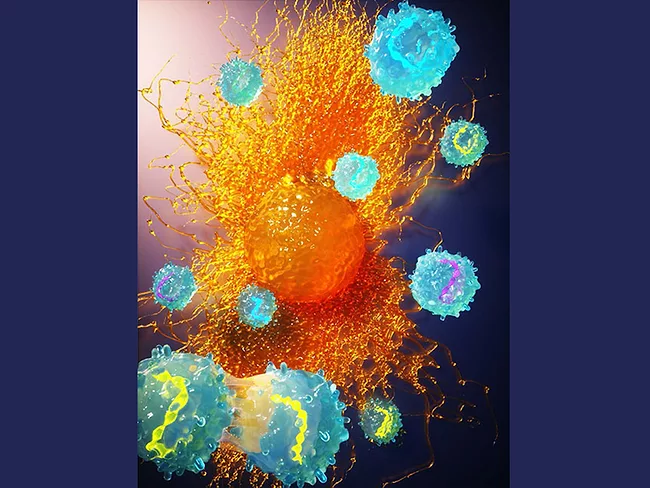
In 2022, neuroscience research made significant advances by understanding the role of large-scale neuronal connections in disorders. So did cancer research.
The fifth medical device user fee agreement (MDUFA V) included several new programs, such as a program intended to aid device makers in an efficient to-market process. However, MDUFA V also boosted device user fees for many applications by 55% but turnaround times for these applications will remain essentially flat compared to MDUFA IV.
After a flood of deals with special purpose acquisition companies (SPACs) that took dozens of med-tech and biotech companies public in 2021, deal flow slowed to a trickle in 2022. Market conditions factored into the collapse of interest, but regulatory changes also played a significant role. Still, several notable companies made their market debuts via SPACs in 2022 – and one changed its mind mid-stream.