The loss of regenerative capacity in mammals over the course of evolution may be linked to certain environmental conditions rather than to a genetic limitation. Tissue stiffness around an amputated area, oxygen availability, or epigenetic regulation could determine this ability, according to two simultaneously published but independent studies published in Science, as reported by BioWorld yesterday.
The loss of regenerative capacity in mammals over the course of evolution may be linked to certain environmental conditions rather than to a genetic limitation. Tissue stiffness around an amputated area, oxygen availability, or epigenetic regulation could determine this ability, according to two simultaneously published but independent studies published in Science today.
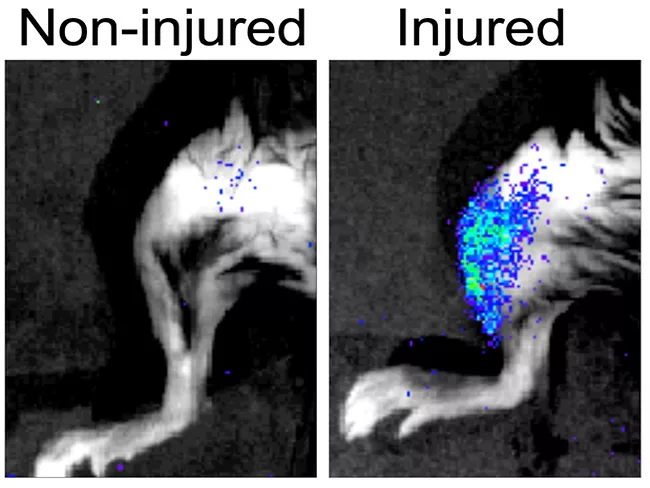
Researchers from Stanford University have reported that inhibiting the enzyme 15-hydroxyprostaglandin dehydrogenase (15-PGDH) promoted cartilage regeneration in mouse models of osteoarthritis due to either aging or tissue injury. An oral version of the inhibitor that the team used is in a clinical trial for sarcopenia; it improved muscle mass and strength in preclinical studies. However, the mechanism by which 15-PDGH inhibition works appears to differ in the two conditions.
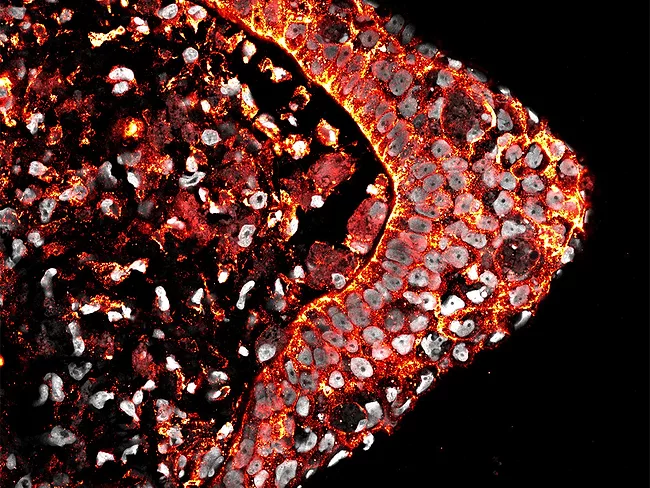
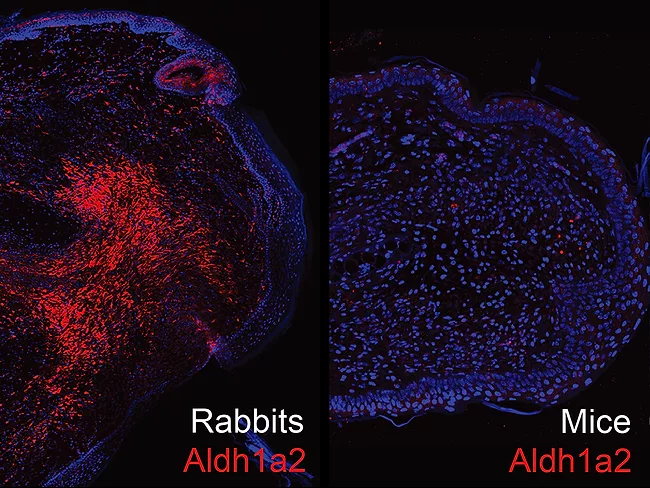
Lizards, zebrafish, salamanders and tritons can regrow a tail, a fin, or even an entire limb after amputation. Cut a planarian into pieces, and you will end up with a bunch of them. Researchers at the National Institute of Biological Sciences in Beijing have discovered a genetic switch linked to vitamin A. After activating this pathway, they managed to regenerate the ear pinna of a mouse, an animal that previously lacked this ability.
Lizards, zebrafish, salamanders and tritons can regrow a tail, a fin, or even an entire limb after amputation. Cut a planarian into pieces, and you will end up with a bunch of them. Researchers at the National Institute of Biological Sciences in Beijing have discovered a genetic switch linked to vitamin A. After activating this pathway, they managed to regenerate the ear pinna of a mouse, an animal that previously lacked this ability.
Lizards, zebrafish, salamanders and tritons can regrow a tail, a fin, or even an entire limb after amputation. Cut a planarian into pieces, and you will end up with a bunch of them.
Research led by the Hubrecht Institute and the University Medical Center Utrecht has uncovered a key molecular mechanism that helps control heart regeneration in zebrafish. A protein known as leucine-rich repeat-containing 10 (LRRC10) acts as a switch to stop uncontrolled proliferation of cardiomyocyte cells when regeneration is complete. As reported in the May 18, 2023, issue of Science, lead author Jeroen Bakkers and colleagues found that the LRRC10 pathway was conserved in mouse and human cells.
Using single-cell RNA sequencing of deer antler at different stages of their annual cycle of regeneration, Chinese researchers have identified a progenitor cell population that drove antler regeneration. The authors of an accompanying editorial wrote the findings, which were published in the Feb. 24, 2023, issue of Science, “add to the emerging idea that blastema progenitor cells are a common stem cell type in mammalian appendage regeneration.”
Unlike amphibians, mammals do not regenerate appendages. Except when they do. “If you amputate one of the branches off of the antler [of a reindeer], it will also regenerate,” Jeff Biernaskie told BioWorld. Even without amputation, the antlers of both male and female reindeer regenerate annually, including their skin. That regeneration is “the only large mammal model of true skin regeneration,” he said.
The first in vivo cell atlas of senescent tissue in skeletal muscle has identified the damaging properties of these cells and explained why they block muscle regeneration. According to a study at Pompeu Fabra University led by scientists from Altos Labs Inc., cell damage caused the senescence of the cells, which secreted toxic substances into the surrounding microenvironment, causing fibrosis and preventing tissue regeneration.