Asthma is an inflammatory airway disease characterized by shortness of breath and wheezing, among others, with a varying global prevalence of 1%-18%. Both airway hyperresponsiveness and airway remodeling are two important features of the disease, where epithelial-mesenchymal transition (EMT) plays a critical role. Glucocorticoid induced 1 (GLCCI1) is a protein involved in glucocorticoid signaling that has gained interest in the field of asthma, where it has been shown to be downregulated in the lung tissues of mice with asthma and its overexpression has been found to alleviate airway remodeling.
Researchers from Northeast Normal University in Changchun demonstrated that compound AW-01178 reversed the abnormal regulation of E-cadherin by inhibiting the class I HDAC enzyme.
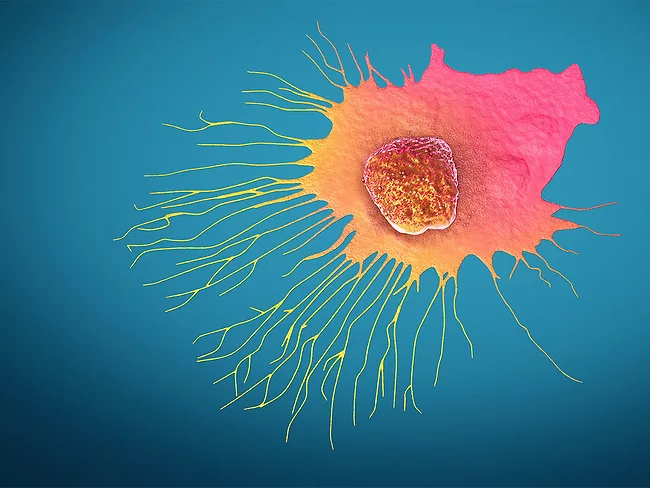
One of the difficulties for preventing the evolution of a tumor is that cancer progression can be promoted by undifferentiated or migrating cells whose states could follow different directions. At the 40th edition of Barcelona Biomed conferences at the Institute for Research in Biomedicine (IRB Barcelona), which took place from Nov. 27 to 29, 2023, and is entitled “Cancer in Context: Cellular, Tissue, and Organismal Determinants of Malignant Fates,” Angela Nieto presented her latest data on epithelial-to-mesenchymal transition (EMT).
The development of EGFR-targeted tyrosine kinase inhibitors (TKIs) over the past 20 years has modestly improved progression-free survival for patients with metastatic NSCLC. But many patients with EGFR mutations fail to respond to TKI treatments, and immune checkpoint inhibitors elicit a response in less than 10% of NSCLC patients.
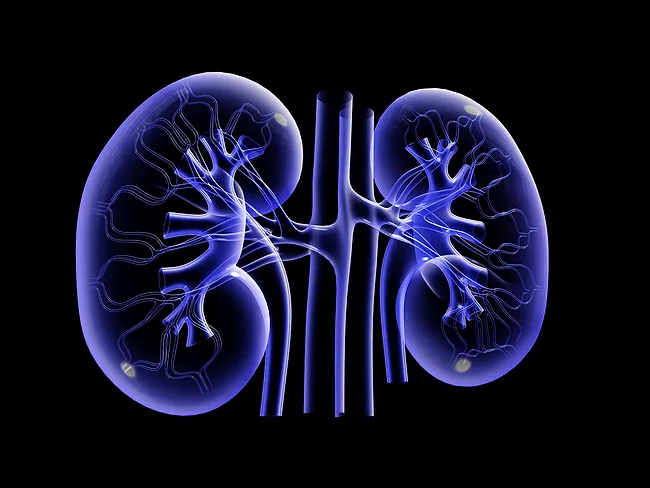
A team of researchers at Tokyo Metropolitan University have discovered that osmolytes such as mannitol, which are used to treat increased intraocular or intracranial pressure, can cause kidney damage by inducing hyperosmotic stress that leads to epithelial-mesenchymal transition (EMT) of the tubular epithelial cells.