The U.S. FDA’s October 2025 draft guidance for quality management system information in premarket filings may have struck some observers as an example of regulatory overreach, given the robust opposition to several key aspects of the draft on the parts of the Advanced Medical Technology Association and the Medical Device Manufacturers Association.
The U.S. FDA’s Center for Biologics Evaluation and Research posted four warning letters to makers of HIV sample collection kits, an example of a shift in FDA enforcement in the IVD space that is still allowed after a historical loss in court.
Cochlear Ltd. heard good news from the U.S. FDA, as the agency approved its next-generation cochlear implant, the Nucleus Nexa System, the first smart cochlear implant system. Cochlear expects to launch the new products in the U.S. in the next few months, Brendan Murray, vice president for Cochlear Implant products portfolio and strategy told BioWorld.
The U.S. FDA’s draft guidance for predetermined change control protocols (PCCPs) is out for comment, but a recent agency webinar highlighted some areas of ambiguity.
The U.S. FDA’s draft guidance for predetermined change control protocols for all device types fills in a gap left by previous draft guidance, but there is one potential stopping point for class III devices.
The U.S. FDA approved the PMA application for the Shield test by Guardant Health Inc., a diagnostic for colorectal cancer that avoids some of the issues with alternative diagnostic methods. There are lingering questions about Medicare coverage and physician adoption, however, the answers to which may take a couple of years emerge.
Abbott Laboratories received U.S. FDA approval for its Liberta RC deep brain stimulation (DBS) system for use in movement disorders, less than two weeks after the agency gave its nod to Medtronic’s Percept RC DBS system. The news come on the heels of Abbott’s release of strong fourth quarter results on Wednesday.
The U.S. FDA’s Accreditation Scheme for Conformity Assessment (ASCA) program is one of a number of efforts on the agency’s part to reduce the drag on premarket medical device submissions, but the agency has now converted the ASCA pilot into a full-blown regulatory program. Fortunately for both the FDA and industry, most of the guidance groundwork is already in place, making the ASCA program a ready-to-go method for streamlining at least one element of premarket applications for medical devices.
Artivion Inc. (formerly Cryolife Inc.) received U.S. FDA premarket application (PMA) approval of its Perclot absorbable hemostatic system and promptly sold the product line to Baxter International Inc., in keeping with the terms of an agreement announced in July 2021. Artivion will begin shipping Perclot product to Baxter following receipt of a milestone payment of $18.75 million in cash, of which $4.5 million will go to Artivion’s former partner Starch Medical Inc.
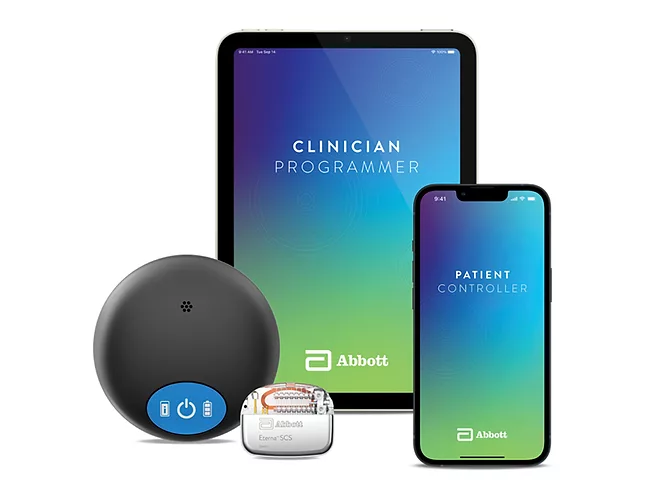
Abbott Laboratories received U.S. FDA approval for an expanded indication for its spinal cord stimulator (SCS) devices to include treatment of chronic back pain for individuals who have not had or are ineligible for back surgery. The FDA based its decision on the positive results from the DISTINCT study which showed that 85.2% of patients implanted with the SCS devices achieved significant reduction in back pain compared to 7.1% of those who received conservative medical management.