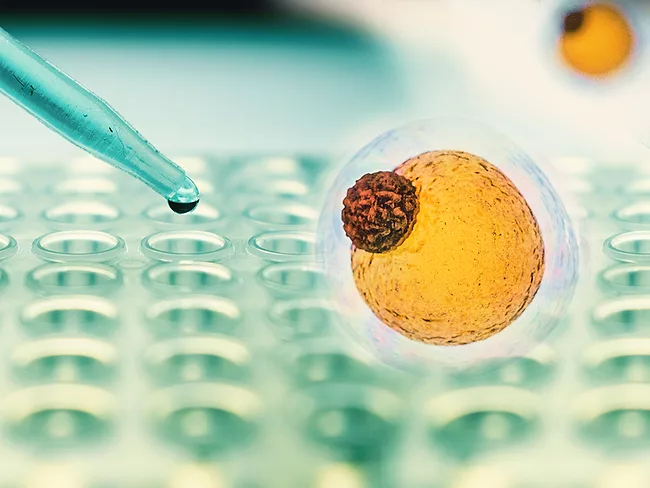
Antibodies that bind to sugars on the surface of cancer cells, rather than to proteins, have not yielded satisfactory results so far due to their low binding affinity. However, scientists at the University of California, Irvine (UCI) have developed therapeutic proteins that recognize so-called tumor-associated carbohydrate antigens (TACAs) using lectins with a robust structure resembling velcro. This design is highly specific and eliminates only tumor cells, regardless of cancer type, while sparing healthy tissues.
The map of the human brain is not a static image of the cellular architecture of the central nervous system (CNS). Throughout life, all living beings are born, develop and age. The brain of pregnant mothers reflects a dynamic that modifies this general picture. A collaboration of scientists from the University of California has studied the changes in the adult brain during pregnancy and observed that a large part of it adapts during the development of the fetus.
The National Institutes of Health (NIH) has established a pandemic preparedness research network to conduct research on high-priority pathogens most likely to threaten human health with the goal of developing effective vaccines and monoclonal antibodies.
The Kv1.1 potassium channel regulates neuronal excitability both in the central and peripheral nervous systems and its dysfunction is associated with epilepsy, among others.
The AMP-activated protein kinase (AMPK) is a sensor of metabolic stress and a key mediator in preserving metabolic homeostasis both at the cellular and organism levels. AMPK activation is considered a targetable mechanism for diseases associated with metabolic perturbations, such as diabetes, obesity, fatty liver disease and cancer, among others. However, the regulators of AMPK that antagonize AMPK activators remain unknown, although they are critical to efficiently target AMPK activation for therapeutic purposes.
Inmune Bio Inc., together with a collaborator at University of California, Irvine School of Medicine, has shown targeting soluble TNF (sTNF) using a dominant-negative TNF (DN-TNF) biologic significantly decreased muscle damage in a murine mdx model of Duchenne muscular dystrophy (DMD) and showed a statistically significant increase in muscle regeneration.
GATC Health Corp. has announced that the new drug candidates discovered by its proprietary artificial intelligence (AI) drug discovery and prediction platform to treat opioid use disorder (OUD) and fentanyl addiction have entered preclinical development.