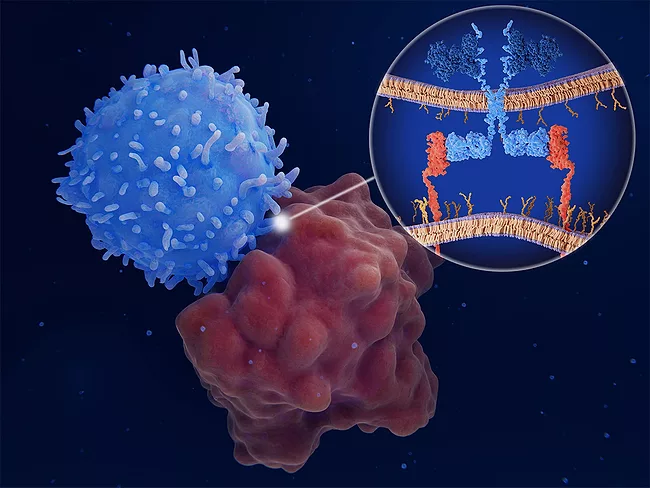
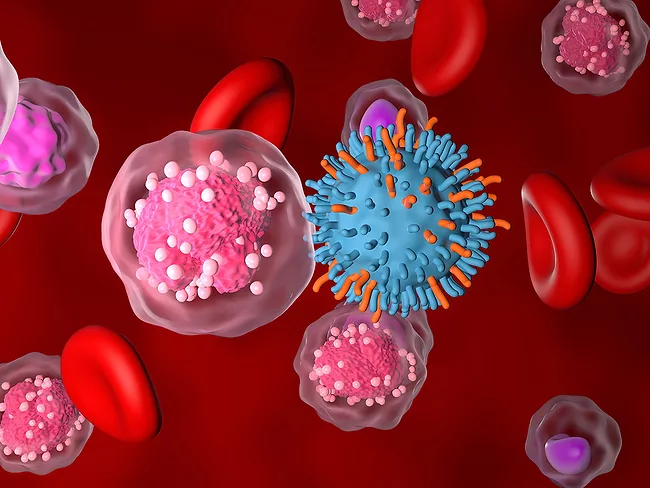
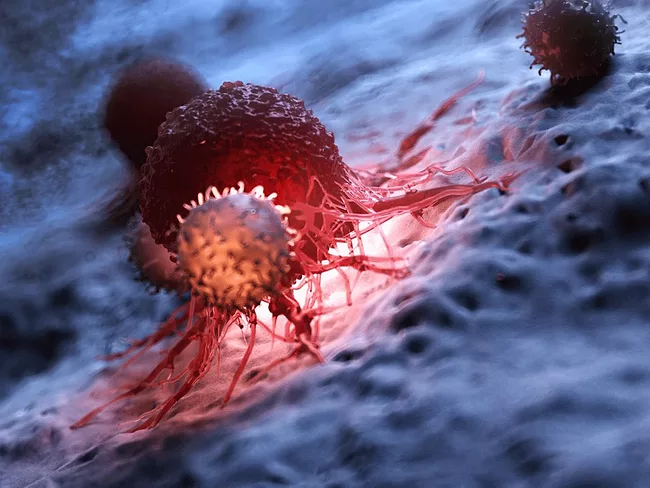
CAR T-cell therapy works by engineering a patient’s T cells to express synthetic receptors that recognize and kill cancer cells without relying on HLA presentation. This approach has shown remarkable success in relapsed or refractory B-cell cancers and multiple myeloma, resulting in several approved treatments. However, no CAR T therapy is currently approved for acute myeloid leukemia (AML) or T-cell acute lymphoblastic leukemia (T-ALL).
A study has demonstrated the potential of a novel ligand-based CAR T-cell therapy for targeting CD7-positive T-cell malignancies, including T-cell acute lymphoblastic leukemia (T-ALL) and T-cell lymphomas. The receptor CD7 is a prominent target antigen, being expressed in around 95% of T-ALL, 50% of peripheral T-cell lymphomas and 10% of acute myeloid leukemias.
Bioheng Therapeutics US LLC has obtained IND approval from the FDA for CTD-402, a CD7-targeted universal CAR T-cell therapy, for the treatment of pediatric and adult patients with relapsed or refractory T-cell acute lymphoblastic leukemia/lymphoma.
To be successful, CAR T-cells need a balance between being effective and overkill. Researchers from the University of Pennsylvania and Vittoria Biotherapeutics Inc. have eliminated the CD5 signaling pathway of their CAR Ts to prevent the immunosuppressive brake effect. In return, this improved their proliferation and antitumor activity in T cell lymphomas.
T-cell acute lymphoblastic leukemia (T-ALL) is an aggressive form of leukemia that accounts for around 25% of ALL cases. In recent years, novel strategies have emerged to reduce the dependence on intensive chemotherapy or hematopoietic stem cell transplantation, but there is still a need for new options with better efficacy in this setting.
St. Jude Children’s Research Hospital has divulged proteolysis targeting chimeras (PROTACs) comprising cereblon (CRBN) ligands coupled to a tyrosine-protein kinase Lck targeting moiety via a linker acting as Lck degradation inducers reported to be useful for the treatment of cancer and immunological disorders.