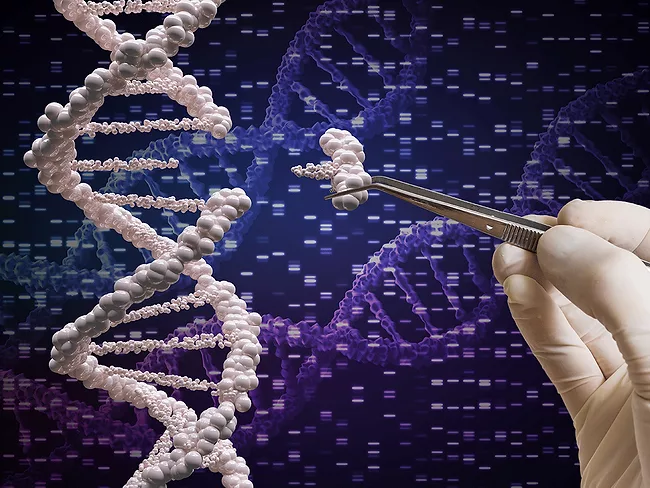
With plenty of GLP-1 money to spend, Eli Lilly and Co. is buying Verve Therapeutics Inc. and its gene-editing program for about $1.3 billion. Two of Verve’s one-time treatments are in the clinic. Lead candidate VERVE-102, a gene-editing treatment targeting PCSK9, is in a phase Ib study to reduce cholesterol levels.
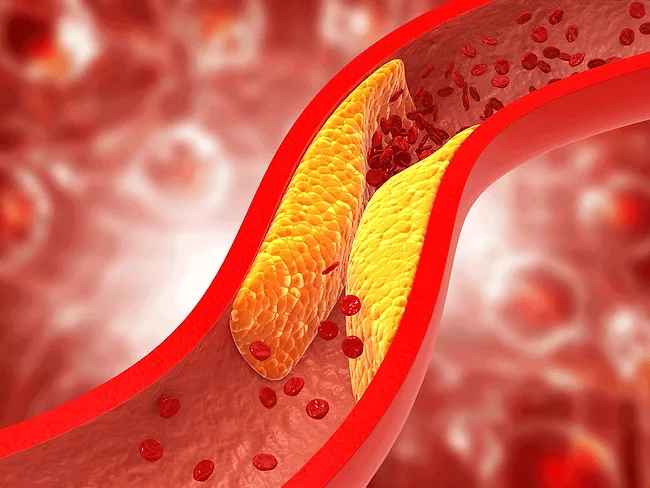
One of the main goals in the prevention of cardiovascular disorders is to maintain low-density lipoprotein cholesterol (LDL-C) at consistently low levels to ensure long-term cardiovascular protection. Investigators at Verve Therapeutics Inc. reported preclinical data on VERVE-102, a GalNAc base editing strategy designed to sustainably inactivate the PCSK9 gene and lower LDL-C in familial hypercholesterolemia.
Positive early stage data for Verve Therapeutics Inc.’s base editing therapy points to a range of development options, including bringing partner Eli Lilly and Co. in a little closer. The new data helped ease the company’s pain from the April 2 enrollment pause of a similarly designed therapy from Verve. Verve’s Heart-2 phase Ib of VERVE-102 in treating 14 patients with heterozygous familial hypercholesterolemia and/or premature coronary artery disease showed one infusion led to dose-dependent decreases in blood PCSK9 protein levels and low density lipoprotein cholesterol.
Trouble continues to dog Verve Therapeutics Inc.’s base editor of the PCSK9 gene, VERVE-101, so the company paused enrollment in a phase Ib study in cholesterol lowering to focus on the similarly designed VERVE-102.