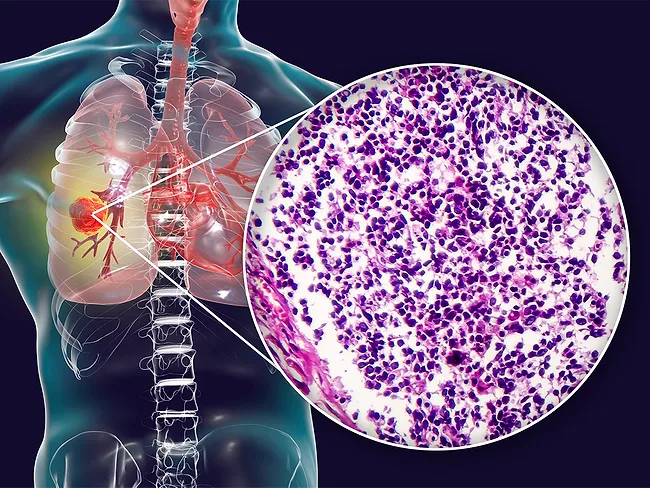
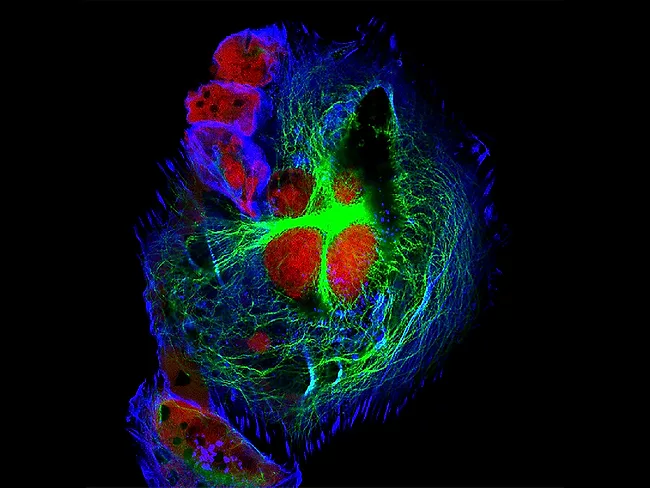
Small-cell lung cancer (SCLC) and some other cancers involve dysregulation of the transcription factor E2F, and apoptosis can be induced in those cells by blocking the interaction of the RxL sequence motif in E2F with cyclin A, which leads to hyperactivation of E2F. Researchers from Dana-Farber Cancer Institute and collaborators have developed macrocyclic peptides that inhibit this interaction and thereby hyperactivate E2F, leading to anticancer activity in various preclinical systems.
Neuroblastoma is a pediatric solid tumor characterized by dysregulation of the CDK-RB-E2F axis, leading to elevated E2F activity, uncontrolled progression through the G1/S transition and an aggressive tumor phenotype. Researchers from Circle Pharma Inc. and collaborators presented preclinical data on CID-078, a first-in-class oral macrocycle with dual cyclin A and B RxL inhibitory activity, in models of neuroblastoma.
Circle Pharma Inc. has submitted an IND application to the FDA for CID-078, a first-in-class cyclin A/B RxL inhibitor. Pending approval, the company plans to initiate a phase I trial in patients with advanced solid tumor malignancies.