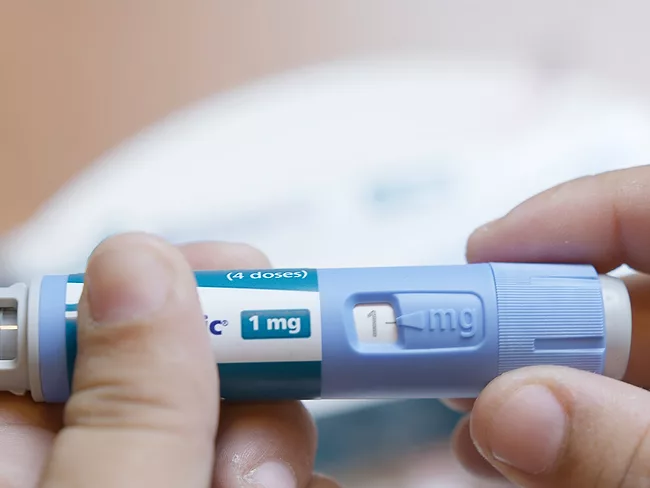
For the long-term impact of GLP-1 therapies in obesity to be realized, they must be paired with data and digital tools. While the drugs are effective, challenges are well known, such as loss of muscle mass loss, compliance and accessibility. With more treatments moving through the pipeline, innovation and technology will be key to supporting long-term use, delegates heard at the HLTH Europe conference in Amsterdam on June 17.
GLP-1 receptor agonists remained center stage at the 2026 Scientific Sessions of the American Diabetes Association with Boehringer Ingelheim GmbH and Astrazeneca plc, joining the leaders, Eli Lilly and Co. and Novo Nordisk A/S, in presenting data for their respective GLP-1 drugs.
It looks like the end of the road for many of the court challenges to the Inflation Reduction Act’s (IRA) provision requiring Medicare to negotiate prescription drug prices. The U.S. Supreme Court denied cert May 18 to petitions brought by six biopharma companies that raised questions about the constitutionality of the negotiations. All but one of the suits involved were denied in the Third Circuit; the other one was denied in the Second Circuit, so there is no circuit split – yet.
When the U.S. CMS didn’t get takers for its voluntary Better Approaches to Lifestyle and Nutrition for Comprehensive Health (BALANCE) model to cover obesity drugs under Medicare Part D, the agency punted. It announced late April 21 that it will indefinitely delay the BALANCE model in Medicare but extend its temporary Medicare GLP-1 Bridge demonstration model through the end of 2027. (The Medicaid BALANCE model will still kick in this year in states that choose to participate in it.)
U.S. FDA drug approvals totaled 19 in March 2026, matching February and showing a solid level of regulatory activity, though slightly below the 22 approvals recorded in March 2025 and under the spike of 30 seen in March 2024.
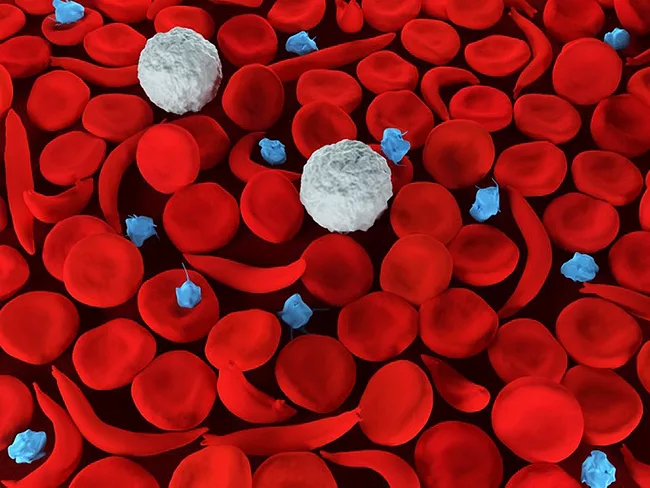
Novo Nordisk A/S reported top-line results from the phase III Hibiscus study of its pyruvate kinase-R activator, etavopivat, which was acquired through the 2022 buyout of Forma Therapeutics Holdings Inc. The results set up a potential competition for patients afflicted by sickle cell disease with fellow PKR activator mitapivat from Agios Pharmaceuticals Inc.
Wegovy (semaglutide) has passed the notoriously strict cost-effectiveness scrutiny of the U.K. health technology assessment body and will now be reimbursed for the prevention of further serious cardiovascular events in people who have had a heart attack or stroke, or are diagnosed with peripheral arterial disease.
Eli Lilly and Co. anticipates shipping newly approved Foundayo (orforglipron) within the next week, as the drug becomes the second oral weight-loss glucagon-like peptide-1 (GLP-1) receptor agonist to enter the U.S. market following December’s approval of Novo Nordisk A/S’ Wegovy (semaglutide) pill.
A next-generation triple incretin therapy jointly developed by Novo Nordisk A/S and China’s United Biotechnology outperformed semaglutide in a phase II trial, signaling intensifying competition in the GLP-1 obesity and diabetes market.
A regulatory plod that began in 2023 – and met with success in many other territories – at last crossed the U.S. FDA finish line when Novo Nordisk A/S secured approval of Awiqli (insulin icodec) injection 700 units/mL, the first and only once-weekly, long-acting basal insulin.