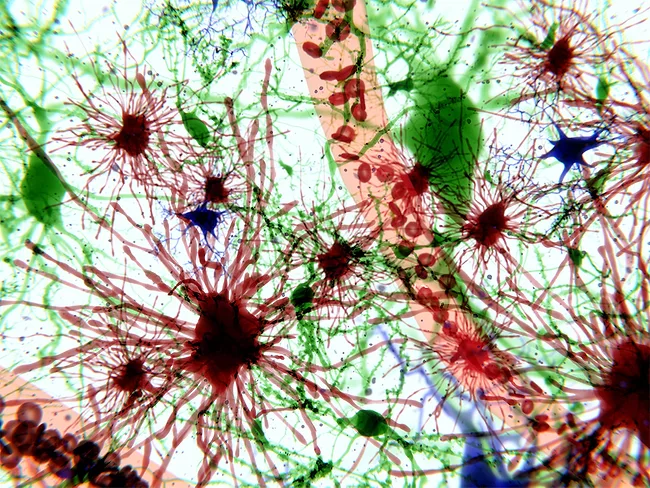
Fujirebio Diagnostics Inc.’s Alzheimer’s disease assay received the U.S. FDA’s first clearance for a blood test for the debilitating neurodegenerative disease. Fujirebio’s Lumipulse G pTau217/ß-Amyloid 1-42 plasma ratio is indicated for the early detection of amyloid plaques associated with Alzheimer’s disease in symptomatic individuals aged 55 years and older.
Fujirebio Diagnostics Inc.’s Alzheimer’s disease assay received the U.S. FDA’s first clearance for a blood test for the debilitating neurodegenerative disease. Fujirebio’s Lumipulse G pTau217/ß-Amyloid 1-42 plasma ratio is indicated for the early detection of amyloid plaques associated with Alzheimer’s disease in symptomatic individuals aged 55 years and older.
April data and first quarter earnings reports show remarkable resilience in med tech, even as other sectors continue to suffer in response to tariffs and changing regulations. Not that tariffs proved insignificant: several companies reported annualized impacts north of half a billion dollars, but fundamentals and increased interest in med tech as a haven gave most players sufficient breathing room to absorb the impact with minimal adjustments.
Quanterix Corp. plans to merge with Akoya Biosciences Inc., in an all-stock transaction that both companies hope will bolster their fortunes. The transaction will create an integrated solution for ultra-sensitive detection of blood- and tissue-based protein biomarkers.
Sunbird Bio Inc.’s Neural EV-tau aggregate assay demonstrated 92% correlation with PET scans in identifying individuals with Alzheimer’s disease, a study presented at the Alzheimer’s Association International Conference in Philadelphia, on July 30 found.
C2N Diagnostics LLC’s two-factor blood test, Precivity AD2, showed 90% accuracy in diagnosing Alzheimer’s disease in a study presented at the Alzheimer’s Association International Conference in Philadelphia on July 28 and simultaneously published in the Journal of the American Medical Association. The following day, Quanterix Corp. presented results from its study that showed a multi-marker approach could maintain the 90% accuracy of its Lucentad test, while reducing the percentage of uncertain results from more than 30% to 10%, in line with the intermediate results demonstrated by Precivity.
The recent licensing agreement that Alzpath Inc. signed with Roche AG for use of its pTau217 antibody to develop and commercialize an Alzheimer's disease diagnostic blood test will not only transform the company but also allow patients access to a more cost-effective test, Venkat Shastri, CEO of Alzpath told BioWorld.
Quest Diagnostics Inc. expanded its Alzheimer’s disease (AD) portfolio with a blood-based biomarker test for phosphorylated tau 217 (pTau217). The test joins the company’s plasma tests for p-tau181, beta-amyloid 42/40 ratio and ApoE genetic risk as well as several cerebrospinal fluid tests for Alzheimer’s.
The U.S. FDA granted Roche Holding AG breakthrough device designation for the Elecsys pTau217 assay that it is developing with Eli Lilly and Co. The test will help with the earlier diagnosis of Alzheimer's disease as it will be able to identify pTau217, a phosphorylated fragment of the protein tau, which is a biomarker that can distinguish the disease from other neurodegenerative disorders.
Neurocode USA Inc. added Alzpath Dx, a blood test for Alzheimer’s disease screening, to its lab developed tests, making it the first available for commercial use in the U.S. The move stands to make screening for the neurodegenerative disease much more accessible, as recent study results indicate Alzpath’s accuracy rivals PET scans and cerebrospinal fluid tests, the current gold standards, in detecting the signature biomarkers of the disease.