The level of investment in Europe’s med-tech sector in 2025 did not materialize as many had hoped at the beginning of the year. Reciprocal tariffs introduced by the U.S. government created an uncertain macroeconomic environment, curtailing dealmaking and slowing financing activity. Nevertheless, amid uncertainty, there were some bright spots as medical devices remain essential, and investors know how to navigate market cycles.
Med-tech M&A activity cooled in October, with the total disclosed deal value reaching $1.68 billion, a step down from September’s $4.84 billion and well below several stronger months earlier in the year.
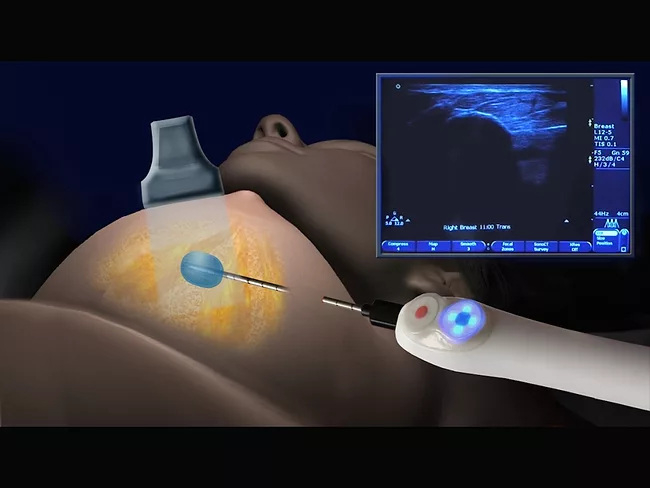
Icecure Medical Ltd. reported that the U.S. FDA has granted marketing authorization to Icecure's de novo application for the Prosense cryoablation system for the local treatment of breast cancer in patients 70 years of age or older with biologically low-risk tumors. The authorized indication includes patients that are not suitable for surgery for breast cancer treatment.
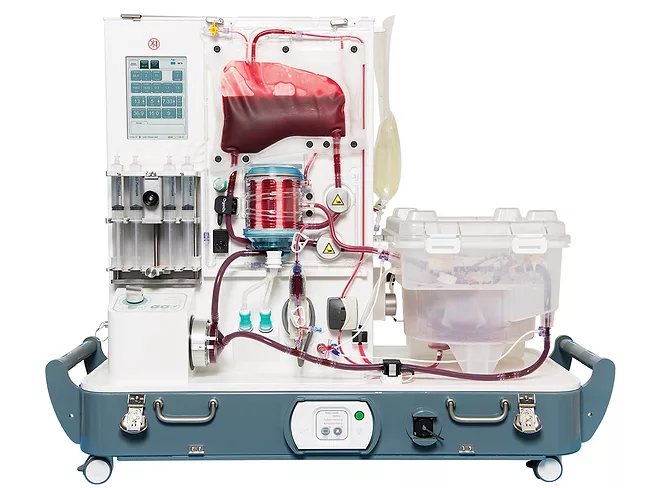
Organox Ltd.’s normothermic machine perfusion device, Metra, has been cleared by the U.S. FDA for use during air transport. The greenlight from the regulatory body paves the way for the broader use of donor organs that might otherwise be discarded, as the Metra system circulates oxygen and nutrient rich perfusate through the organ at near-body temperature, extending preservation times.
After making a significant strategic investment in Oxganox Ltd. earlier this year, Terumo Corp. quickly returned to buy the organ preservation company. On Aug. 25, the companies announced that Terumo would acquire Organox for $1.5 billion, marking Terumo’s entry into the organ transplant sector. The transaction is one of the largest exits ever for the U.K. med-tech sector.
After making a significant strategic investment in Oxganox Ltd. earlier this year, Terumo Corp. returned to buy the company. This morning, the companies announced that Terumo would acquire Organox for $1.5 billion, marking Terumo’s entry into the organ transplant sector. The transaction is one of the largest exits ever for the U.K. med-tech sector.
The U.S. Medicare program’s final rule for fiscal year 2025 inpatient care retains several controversial proposals, but some device makers fared well in their new technology add-on payment (NTAP) applications, including Dublin-based Medtronic plc, which won NTAP payments for two devices.
The U.S. Centers for Medicare & Medicaid Services (CMS) finalized the Medicare inpatient prospective payment system for fiscal year 2024 with a number of new and renewed new technology add-on payments (NTAPs) for the coming fiscal year. Controversially, however, the agency retained a proposal from the draft that requires that a product have received market authorization from the FDA by no later than May 1 of the prior fiscal year to qualify for NTAP payment, a provision that industry has blasted as exclusionary of products that merit an NTAP payment.
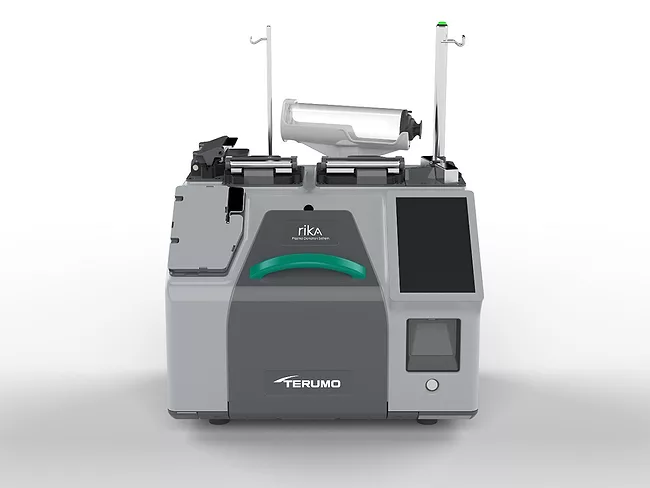
The FDA has cleared a plasma collection device developed by Terumo Blood and Cell Technologies (Terumo BCT) and plasma collection network CSL Plasma. The companies, which are subsidiaries of Terumo Corp. and CSL Ltd., signed a collaboration deal in 2021 to develop the new Rika device for CSL Plasma collection centers. The automated technology is designed to reduce plasma collection time to 35 minutes or less. According to the Red Cross, plasma donations currently take on average about 1 hour and 15 minutes.
The latest global regulatory news, changes and updates affecting medical devices and technologies, including: Endologix, other stent graft products in line for FDA panel safety probe; New conditions imposed on vaccine authorization; MRNA vaccine efficacy holds in real world; STIs on the rise in U.S.