Arcus Biosciences Inc. recently disclosed the chemical structure of AB-521 (casdatifan), an orally available small-molecule inhibitor of hypoxia-inducible factor 2α (HIF-2α) in early clinical development for the treatment of advanced solid tumors with a high prevalence of molecular alterations associated with pseudohypoxia, such as clear cell renal cell carcinoma (ccRCC).
As developers in the oft-troubled TIGIT class forge onward, Roche Holding AG’s Genentech unit provided an unfavorable update July 5 on the phase II/III Skyscraper-06 study testing anti-TIGIT candidate tiragolumab plus Tecentriq (atezolizumab) and chemotherapy vs. Keytruda (pembrolizumab, Merck & Co. Inc.) and chemo as first-line treatment for non-squamous non-small-cell lung cancer (NSCLC).
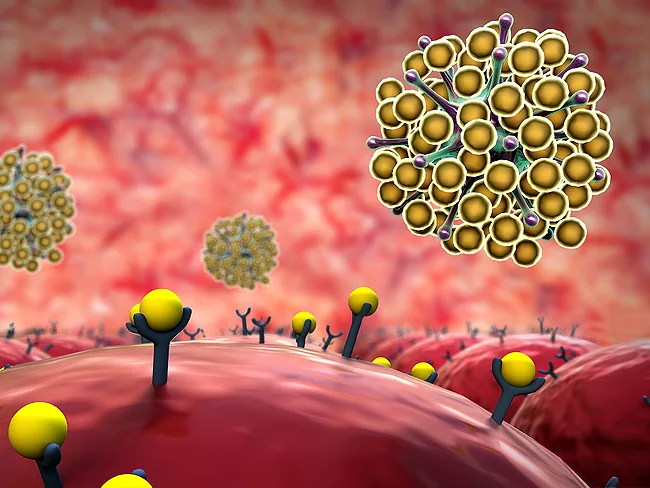
Hypoxia-inducible factor 2α (HIF-2α) is a transcription factor that plays a key role in oxygen homeostasis and response to tumor hypoxic microenvironment of cancer cells. Previous research has suggested that inhibition of HIF-2α is a promising antitumor approach, particularly against tumors associated with mutant von Hippel-Lindau (pVHL).
Arcus Biosciences Inc. has disclosed mitogen-activated protein kinase kinase kinase kinase 1 (MAP4K1; HPK1; MEKKK1) inhibitors reported to be useful for the treatment of cancer.
Arcus Biosciences Inc. has synthesized tyrosine-protein kinase receptor UFO (AXL) inhibitors reported to be useful for the treatment of viral infection, cancer and fibrosis.
The narrative of TIGIT-targeting immunotherapy development, beset by negative news in recent months, has found a positive plotline again, thanks to what Roche Holding AG referred to as “an inadvertent disclosure” of a second interim analysis from the phase III Skyscraper-01 study testing anti-TIGIT candidate tiragolumab with anti-PD-L1 antibody Tecentriq (atezolizumab) in non-small-cell lung cancer.
With much-awaited readouts from their broad oncology-focused collaboration due later this year, Arcus Biosciences Inc. and Gilead Sciences Inc. have decided to expand efforts into the inflammatory disease space via an early stage research agreement that could be worth as much as $1 billion. Terms include a $35 million up-front payment to Arcus, which is making its first move beyond oncology.
Arcus Biosciences Inc. has reported the discovery and SAR-driven optimization and characterization of potent novel tyrosine-protein kinase receptor UFO (AXL) inhibitors for the potential treatment of cancer.
While new data from Arcus Biosciences Inc. and Gilead Sciences Inc. didn't do much to calm an unsteady development corridor, researcher, developers and analysts still hold out hope for the TIGIT pathway. The Arcus-Gilead randomized phase II study combining anti-TIGIT domvanalimab and anti-PD1 antibodies for treating first-line, metastatic non-small-cell lung cancer produced positive results, including improvements in median progression-free survival (PFS) and six-month landmark PFS rates vs. monotherapy. But a hefty dent in Arcus' shares provide a reminder of TIGIT’s fragility as a field, and a reminder of the phase III failure in May for Roche Holding AG unit Genentech Inc.'s anti-TIGIT immunotherapy tiragolumab, which dragged down the share value of several other class entrants. Arcus stock (NASDAQ:RCUS) dipped deeply on Dec. 20 on the new data’s release, but rallied on Dec. 21 by closing 7.5% upward at $22.15 each.