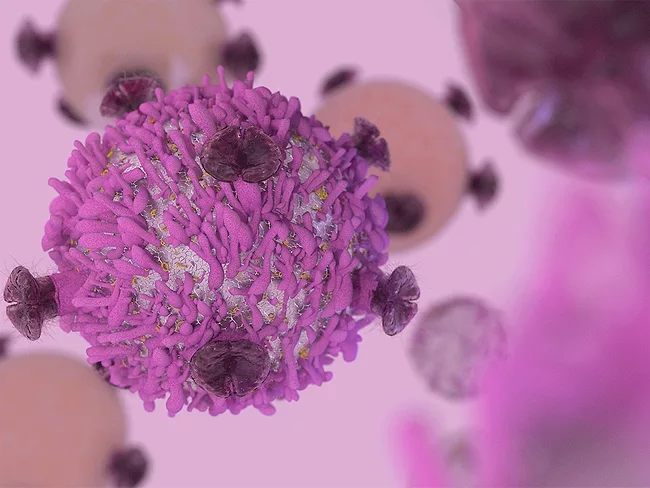
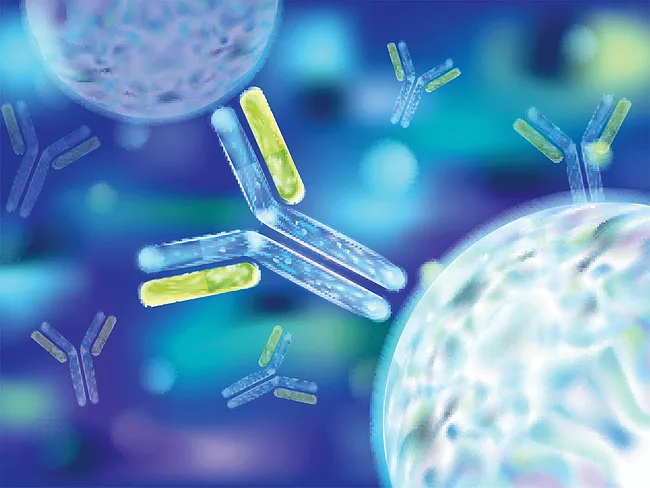
HER2-targeting bispecific antibody zanidatamab, in development by Jazz Pharmaceuticals plc and Zymeworks Inc., produced better antitumor responses than current standard of care when used as a second-line treatment for biliary tract cancer (BTC) in a pivotal phase IIb study, bringing it closer to becoming the first therapy to target HER2-expressing BTC.
Interleukin-12 (IL-12) is a pleiotropic cytokine designated as a cytotoxic lymphocyte maturation factor and NK cell stimulator that interconnects innate and adaptive immunity. Studies in animal models have shown antitumor effects, but its translation into the clinic has been often linked to unacceptable toxicity.
Jazz Pharmaceuticals plc in-licensed regional rights to Zymeworks Inc.’s HER2- targeted bispecific antibody zanidatamab in a deal potentially worth $1.76 billion, plus royalties. Jazz wants to expand its oncology portfolio with the deal, which covers the U.S., Europe, Japan and all other territories except Asia Pacific markets previously licensed by Zymeworks to Beigene Ltd.
Zymeworks Inc. has described new antibody-drug conjugates (ADCs) consisting of a cysteine engineered full-length antibody (IgG type) targeting hepatocyte growth factor receptor (HGFR; MET) or folate receptor α (FOLR1; FR- α) covalently linked to a cytotoxic drug through a linker reported to be useful for the treatment of cancer.
Business development among biopharmaceutical companies working on therapeutics for cancer indications has been brisk this year, with 32% of the 654 deals recorded to date by BioWorld involving cancer indications. However public companies in the area haven’t gained much investor enthusiasm, with the BioWorld Cancer index dropping over 18% year-to-date, with 6% of the loss in valuation taking place this month.
Sessions at the European Society for Medical Oncology Virtual Congress, that has just concluded, provided an excellent opportunity for investors and analysts alike to familiarize themselves with the late-stage progress of new therapeutics aimed at improving cancer treatment. Overall, data presented at the meeting appear to have been positively received, a factor that has helped push up the value of the price-weighted BioWorld Cancer index this month.
Zymeworks Inc.’s business update – which included a new, potential $891 million deal for multispecific antibody drugs with longtime partner Merck & Co. Inc. – drew mixed reviews from Wall Street, especially with regard to phase I prospect ZW-49.
Blincyto (blinatumomab, Amgen Inc.), the first FDA-approved bispecific antibody, gained regulatory approval in 2014, but the intervening years have been fairly bleak for bispecific antibodies as companies worked through technical challenges.
The American Society of Hematology meeting closed yesterday and served to shine the light on the latest research and progress of new therapies targeting hematological malignancies as well as other serious blood disorders. Specifically, a great deal of attention was focused on the treatment of blood cancers and, judging by the increase in value of the BioWorld Cancer index, investors and analysts alike were impressed with what they heard.
While the general markets are leaning toward positive territory following a quiet summer period, the enthusiasm for biopharma equities remains muted. One of the most closely monitored therapeutic areas is oncology. Earlier this year, public companies developing innovative medicines in that area had enjoyed strong support; however, investors now appear to be more selective in backing companies in that sector.