Chiesi Farmaceutici SpA has synthesized pyrrolidine derivatives acting as discoidin domain-containing receptor DDR1 and DDR2 inhibitors reported to be useful for the treatment of fibrosis and idiopathic pulmonary fibrosis (IPF).
Macrophages, a cell type involved in the inflammatory response, are also responsible for collagen deposition in lung and liver fibrosis. In a recently published study, researchers identified a subpopulation of profibrotic macrophages.
Dupuytren’s disease is often referred to as “the most common crippling hand condition that people have never heard of,” but Kurt Harrington is on a mission to change that. A seasoned biotech and pharma consultant, Harrington has had the condition himself for over a decade and, acutely aware of the lack of available treatment options, has founded Ventoux Biosciences Inc. to bring additional therapies forward.
Alentis Therapeutics SA has closed a $105 million series C round which will fund simultaneous phase II and phase Ib trials of anti-Claudin-1 antibodies in the treatment of organ fibrosis and phase I development in fibrosis-associated cancers. At the same time, the company will extend the reach of its Claudin-1 biology into antibody-drug conjugates and bispecific constructs, to further exploit the role of the transmembrane protein in maintaining cellular integrity and controlling cell-to-cell signaling.
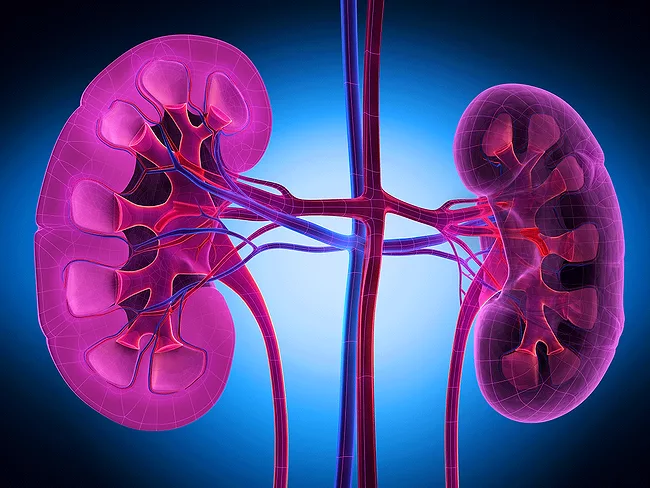
The common pathological pathway in progressive chronic kidney disease (CKD) is tissue fibrosis and chemokine receptor type 4 (CXCR4) plays a key role in the development of fibrosis.
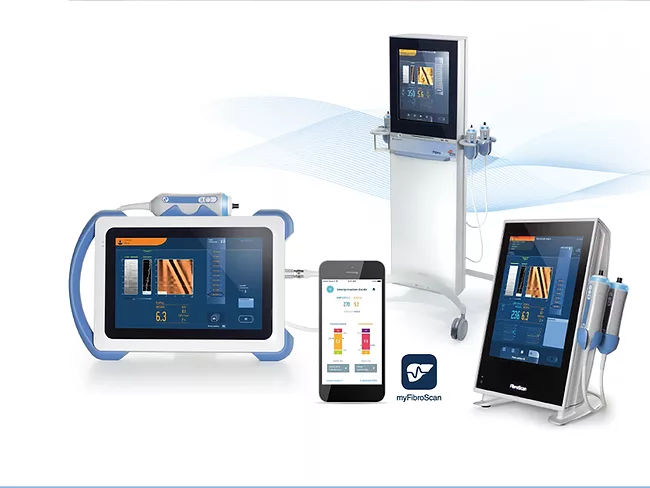
Echosens SA obtained clearance from the U.S. FDA to expand the indications for screening with its Fibroscan system. The approval removes contraindications for pregnancy and active implant and includes patients with confirmed or suspected liver disease. It designates Fibroscan as a noninvasive aid for clinical management, diagnosis and monitoring of adult and pediatric patients with liver diseases. The age has been removed as the first selection probe and exam-type step.
Researchers from Atyr Pharma Inc. presented findings from the innovative tRNA synthetase platform, highlighting ATYR-0101, a potential therapeutic biologic based on a domain appended to aspartyl-tRNA synthetase (DARS).
89bio Inc.’s top-line phase IIb data from the 216-subject study called Enliven testing pegozafermin in nonalcoholic steatohepatitis (NASH) pushed shares (NASDAQ:ETNB) to a closing price March 22 of $13.68, up $2.75, or 25%. The drug, due next for phase III investigation, is a glycopegylated analogue of fibroblast growth factor 21.
Mediar Therapeutics Inc. emerged from stealth, unveiling $105 million in investment and bold ambitions to develop new ways of tackling fibrosis. Cambridge, Mass.-based Mediar is challenging what CEO Rahul Ballal called “the fundamental dogma” of fibrosis therapy: “You have to address fibrosis at its initiation, when inflammation is rampant.” Mediar, in contrast, is focused on developing therapies that either disrupt or reverse the fibrotic process, particularly when it progresses from a moderate to a severe state.
While it is known that differentiated myofibroblasts produce excessive collagens, which accumulate in tissues and cause hardening, the mechanisms involved in these processes are largely unknown. In a recent study, Kyushu University scientists aimed to assess the molecular mechanisms by which matrix stiffness increases fibrosis-related gene expression in myofibroblasts.