Researchers from Atyr Pharma Inc. presented preclinical efficacy data of ATYR-0101, a potential therapeutic biologic based on a domain appended to aspartyl-tRNA synthetase (DARS) in models of lung and kidney fibrosis. By targeting latent-transforming growth factor beta-binding protein 1 (LTBP-1), ATYR-0101 induced apoptosis in myofibroblasts which play a central role in fibrosis and tissue remodeling.
Alentis Therapeutics SA is poised to expand its reach in Claudin-1 biology, after closing a $181.4 million series D that will fund phase I/II trials of two antibody-drug conjugates (ADCs) targeting the transmembrane protein, which is overexpressed on a number of squamous cell tumors.
Collagen-producing activated myofibroblasts, which are key effector cells in fibrogenesis in different organs, express high levels of platelet-derived growth factor receptor β (PDGFRβ).
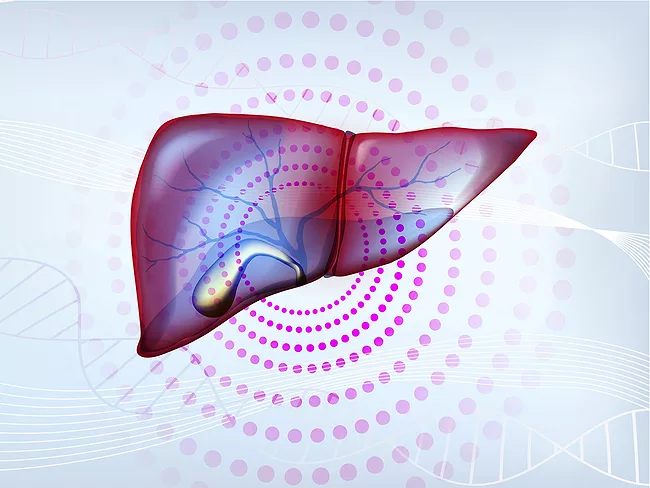
Resolution Therapeutics Ltd. is preparing for a phase I/II trial of its autologous engineered macrophage cell therapy, RTX-001, in the treatment of end-stage liver disease and has raised £63.5 million (US$83.3 million) to complete the study and to add further fibrotic and inflammatory disease programs to its portfolio. Recruitment to the study, to be conducted at 15 sites in Spain and the U.K., is due to start before the end of 2024, with the monocyte-derived patient macrophages being processed and modified at a facility in Edinburgh.
Cincera Therapeutics Pty Ltd. and Monash University co-presented the phenotypic drug discovery of CIN-244, a novel MRTF/SRF pathway inhibitor reported to be potentially useful for the treatment of fibrotic disease, particularly liver, lung and renal fibrosis.
Humanwell Healthcare (Group) Co. Ltd. has prepared and tested 15-hydroxyprostaglandin dehydrogenase (15-PGDH) inhibitors reported to be useful for the treatment of fibrosis, tissue injury and inflammatory disorders.
The dark matter of long non-coding RNA (lncRNA) is shades brighter, after the signing of two major deals between biotech pioneers and big pharma in the past week. Haya Therapeutics SA announced Sept. 4 that it has sealed a multiyear agreement with Eli Lilly and Co. to apply its lncRNA platform technology to identify targets in obesity and related metabolic disorders.
The dark matter of long non-coding RNA (lncRNA) is shades brighter, after the signing of two major deals between biotech pioneers and big pharma in the past week. Haya Therapeutics SA announced Sept. 4 that it has sealed a multiyear agreement with Eli Lilly and Co. to apply its lncRNA platform technology to identify targets in obesity and related metabolic disorders.
G protein-coupled receptor kinase 2 (GRK2) is a crucial kinase that has been shown to interact with multiple signaling molecules under different pathological conditions, including fibrosis.
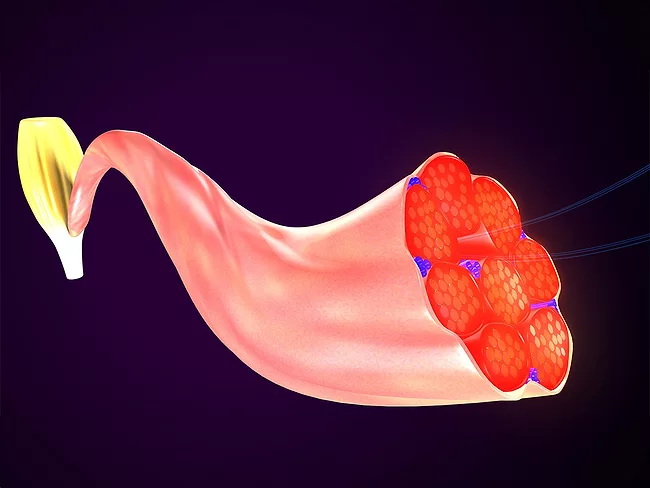
Researchers from Royal Children's Hospital, the University of Melbourne and affiliated organizations published data from a study that aimed to investigate the potential of benfotiamine, which is a lipid soluble precursor to thiamine, for the treatment of inflammation related dystrophic pathology in patients with Duchenne muscular dystrophy (DMD).