University of Nebraska has described SF-2523 derivatives acting as dual inhibitors of bromodomain-containing protein 4 (BD2 domain) (BRD4 BD2) and phosphatidylinositol 3-kinase (PI3K) reported to be useful for the treatment of medulloblastoma and fibrosis.
Idorsia Pharmaceuticals Ltd. has reported the discovery of novel galectin-3 (Gal-3) inhibitors for the potential treatment of fibrotic and inflammatory diseases. Galactins are a family of glycan-binding proteins associated with various biological processes, including apoptosis, inflammation, fibrosis, angiogenesis, immunomodulation or tumor proliferation.
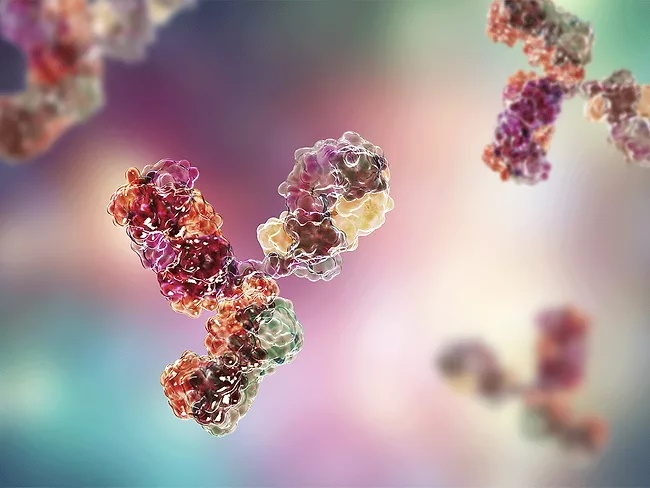
Immunoglobulin G (IgG), an antibody that participates in the response to infection, could have a specific role in metabolism. During aging, it accumulates in certain tissues inducing metabolic dysfunction and fibrosis of fat tissue. This effect could be prevented through an intracellular receptor that contributes to the delivery of IgG. A team of researchers from Columbia University and Peking University (PKU) demonstrated that reducing excess IgG improved the metabolic health of aged mice and increased their life expectancy.
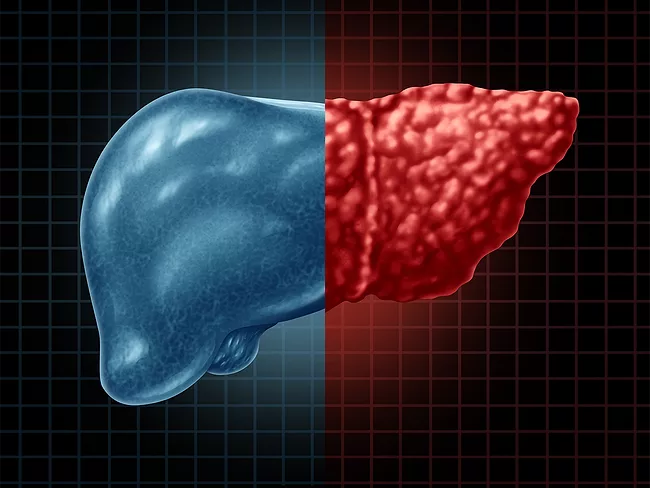
Better Therapeutics Inc.’s prescription digital therapeutic (PDT) received U.S. FDA breakthrough device designation for metabolic dysfunction-associated steatohepatitis (MASH), an advanced form of fatty liver disease that increases the risk of cirrhosis, liver failure and liver cancer but has few good treatments available.
N4 Pharma plc’s subsidiary Nanogenics Ltd. has signed a contract to start the formulation and sequence selection work to prepare its ECP-105 product for testing in preclinical studies.
CD38 is the main NAD+-hydrolyzing enzyme, and it also catabolizes nicotinamide mononucleotide (NMN) and other extracellular NAD+ precursors prior to their intracellular transport for NAD+ biosynthesis.
Omega Therapeutics Inc. has presented preclinical data on hepatocyte nuclear factor 4-alpha (HNF4A) modulation in fibrotic liver disease models to enhance its key role and suggest it as a potent therapeutic target.
Mediar Therapeutics Inc. has announced the nomination of two first-in-class monoclonal antibody clinical candidates for fibrosis. The first, MTX-463, is designed to neutralize WISP-1 signaling. The second candidate, MTX-474, is designed to neutralize EphrinB2 signaling.
Researchers working at with Seoul National University together with GPCR Therapeutics Inc. have focused on targeting pairs of G protein-coupled receptors (GPCRs) starting with the CXC chemokine receptor 4 (CXCR4), which is well known to serve hematopoietic and early developmental functions, while also being required for cancer metastasis.